News / st Pauls carnival
‘St Paul’s Carnival is a very special part of our culture’
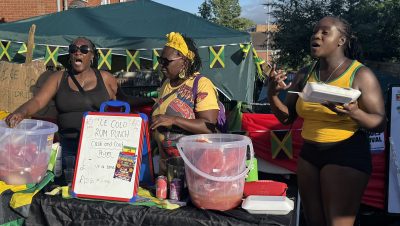
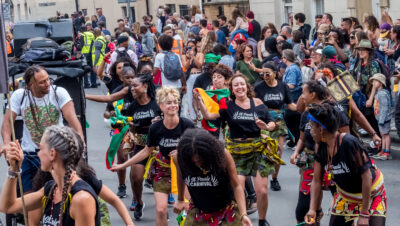
St Paul’s Carnival is officially not taking place on Saturday, but don’t tell that to the thousands of people expected to be on the streets as the community put on their own event.
Rankin Snoopy will be playing on both Saturday and Sunday at Kit Form on Jamaica Street as part of a celebration of the 50th anniversary of the Jah Lokko soundsystem.
Meanwhile, Sister Nwanyi will be spending most of Saturday within the Kuumba Centre on Hepburn Road which will be offering a safe place for younger carnival-goers during the day.
is needed now More than ever
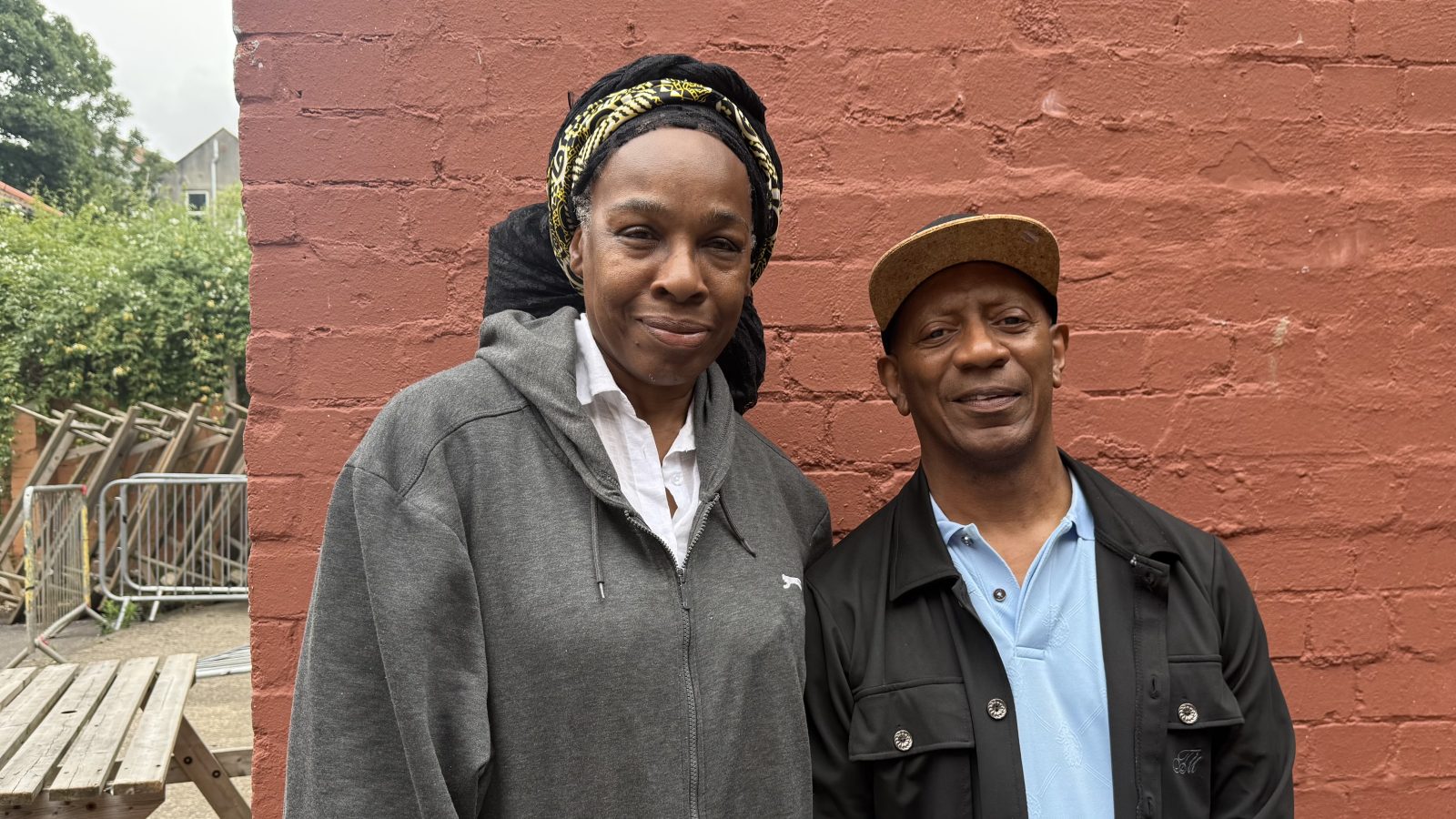
Ahead of Carnival, Rankin Snoopy and Sister Nwanyi explained what the event means to them.
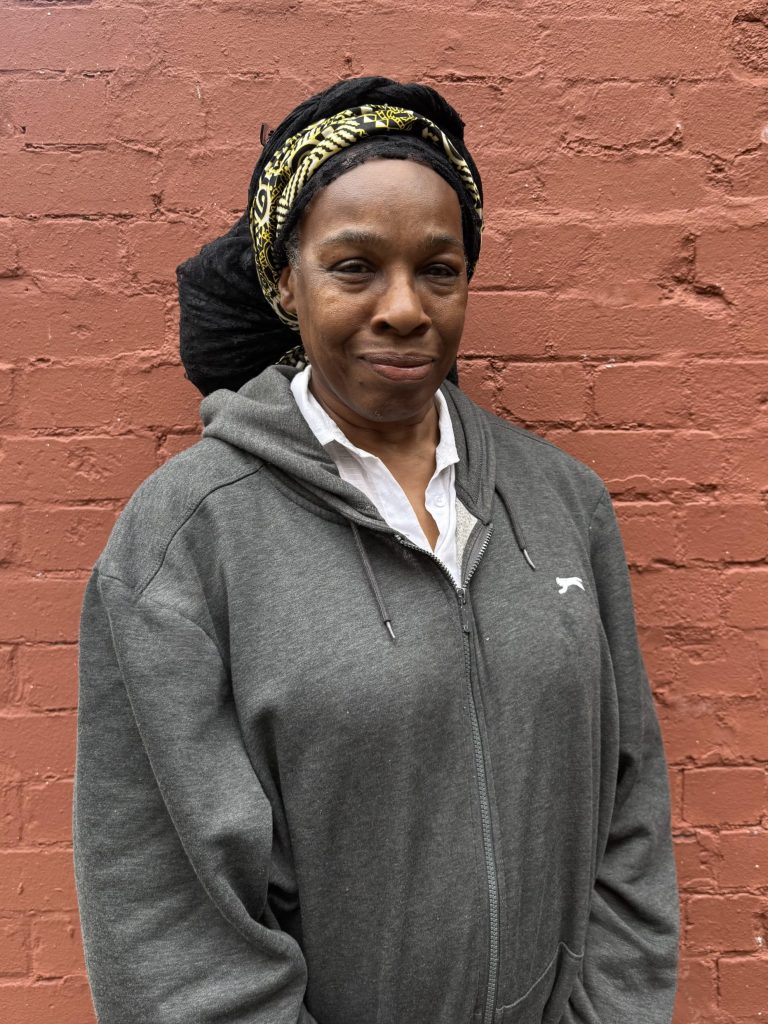
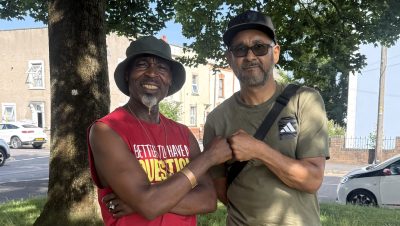
Sister Nwanyi is in charge of the Kuumba Centre on Hepburn Road – photo: Martin Booth
“St Paul’s Carnival is very much marginalised against some of the other events that happen in Bristol. It’s almost like our culture has to stop because they don’t want to manage it.
“We want the voice of the people to be fed into these senior people that are predominantly responsible for money, funding, design…
“You’ve got to find a way to maintain the legacy. People have changed it so much that we are actually begging for it back to what it was.
“Our elders and ancestors wanted to have the joy of their culture and the best way to do it was the carnival. It allowed everybody and the community to come together.
“Carnival this week is led by the community because the community said no; we are not going to not have it; we have always had it.
“A lot of people are aiming to be here on Saturday. A lot.”
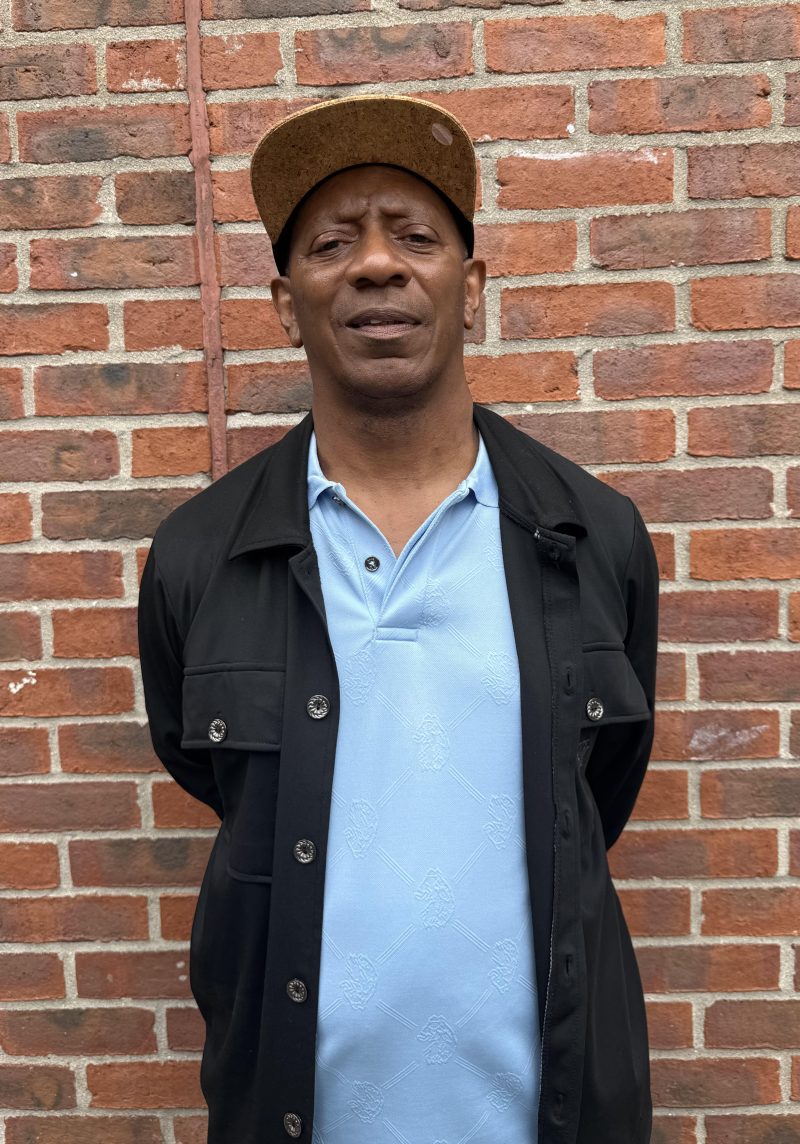
Rankin Snoopy is the chair of ‘ah Lokko soundsystem – photo: Martin Booth
“I have been playing in carnival for a while, years going way back when we were younger. It’s part of our culture.
“Carnival is very special to me and my friends. Music was the main foundation of our upbringing.
“It’s very important, it’s part of our culture and it’s something that we celebrate.
“It’s all the hard times where you couldn’t go down town and play your music.
“You had to stay around here, so we made up our own thing and we were happy, until certain things came in it and it went downhill.
“When we started doing it and put a speaker out on the road, we were happy. We weren’t getting paid; it was part of our culture – entertaining everybody in our community.
“We loved it and the people loved it.”
Main photo: Martin Booth
Read next:
 Our newsletters emailed directly to you