Your say / planning
‘Farcical scenes during planning meetings put Bristol’s economic future at risk’
In recent years, I have found my job of chairing one of Bristol City Council’s two planning committees increasingly frustrating.
Politicisation, sidelining of professional advice and ignorance of the committee’s remit has crept its way into the process – and it’s harming our city’s reputation.
So, I thought it would be helpful – as well as being somewhat cathartic – to set out where my frustration comes from.
is needed now More than ever
The reasons councillors cite for opposing development are becoming increasingly spurious and immaterial to planning considerations.
This damages trust in the process, and by extension, trust in the council.
The development of a Local Plan – which determines what can be built, and where – is an inherently democratic process.
Councillors draft, consult on and ultimately sign off the proposals. It is one of the most important pieces of work a council can undertake.
It is also one of the most constructive, collaborative and rewarding; and that view is shared cross-party.
When Bristol’s new Local Plan was first published, the Green Party heralded it as an “example of where cross-party councillors can come together and develop progressive policy for Bristol” and I agree.
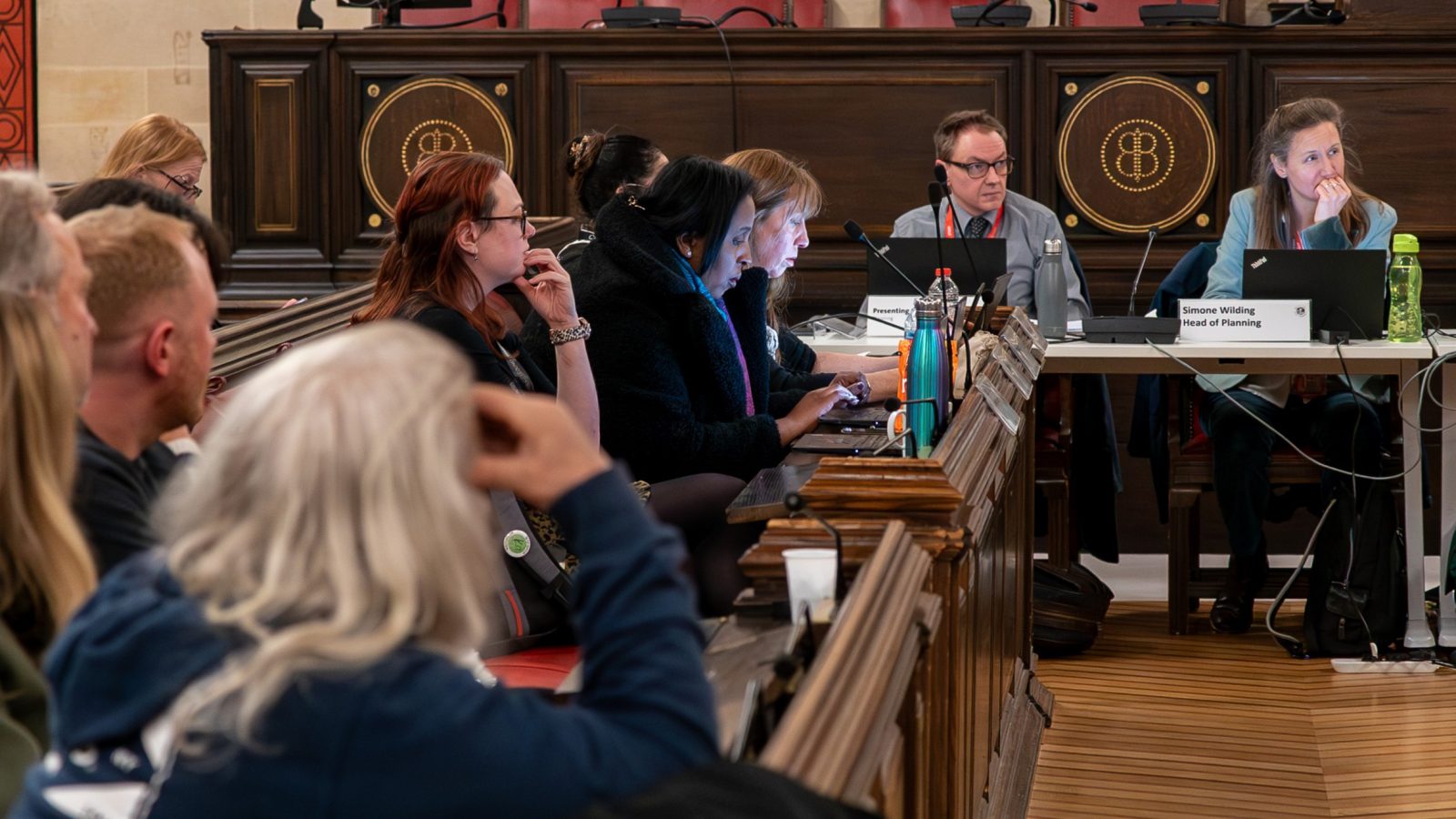
A planning committee is apolitical; its function is regulatory. Its remit is to decide whether an application complies with that democratically-set Local Plan.
It does not, and should not, have the ability to approve or reject developments due to political sentiment, whether it aligns with councillors’ subjective tastes, or if a member of a committee would personally like to live there.
That is not our job. Our job is to decide whether it complies with the rules set by elected representatives.
Yet, it has regrettably become a regular occurrence that when a developer comes forward with a plan to build housing that complies with the Local Plan, some councillors concoct a litany of immaterial reasons to justify an attempt to block it.
We set the rules. We expect businesses to play by them. In return, we cannot decide we don’t actually like those rules, so instead will make up new ones on the spot.
Applicants deserve to have their proposals judged against these plans, not the whim of councillors which change whichever way the wind is blowing.
I acknowledge that planning rules can be complex. After all, people take degrees on the subject.
Councillors are not expected to be experts, familiar with every practice note, case law and statutory guidance that dates back decades.
It’s why the experts attend the meetings – so they can give advice.
Former Conservative minister Michael Gove famously said that “people have had enough of experts”. I would hope councillors had not.
Planning officers, ecologists, transport professionals and so on, are all experts in their field. They have qualifications and years of experience that councillors lack.
Councillors are of course perfectly entitled to come to a different conclusion than the professionals; but their views should be respected and they should be treated with courtesy.
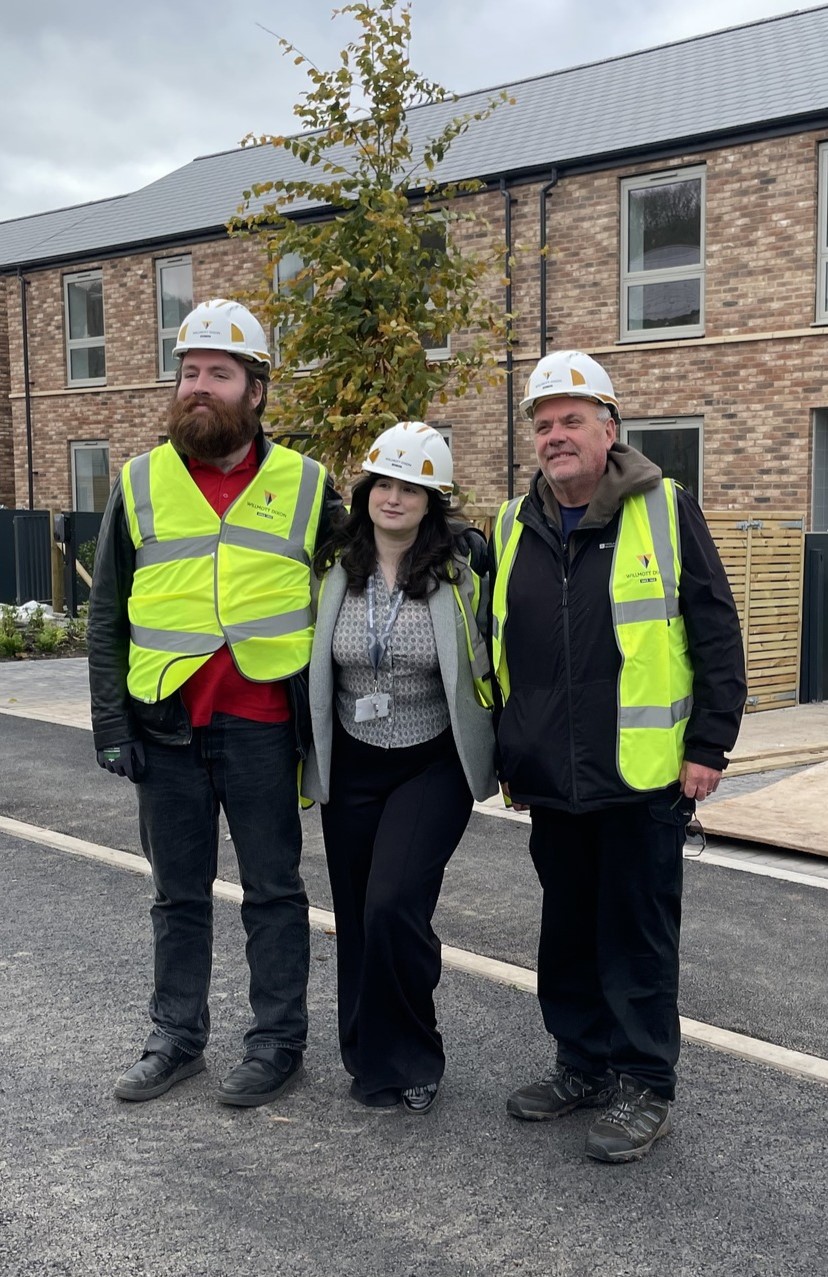
Don Alexander (right) with fellow Avonmouth & Lawrence Weston councillors Tom Blenkinsop and Zoe Peat – photo: Labour Party
Planning committees are the shop window of Bristol.
Anyone looking to invest in our city has to go through it, whether it’s by building affordable homes, new retail spaces or office space for businesses.
These committee meetings are what they see when they assess whether Bristol is worth investing in.
They pay hefty sums of money to have their application processed; they are a customer of the council. We owe them our professionalism and an apolitical decision-making process – as is the law.
Farcical scenes during planning committee meetings put our city’s economic future at risk.
While construction costs are at record highs, a developer having to price-in a likely appeal because they don’t have faith in the council’s planning committee may be enough to tip the balance into having them decide not to bother.
Bristol needs more homes, jobs, community spaces, transport infrastructure and health facilities. We won’t get those without private sector investment.
Who is going to invest in a half-billion-pound regeneration project when they’re unsure whether the councillors adjudicating their application either don’t know or respect those rules, and refuse to listen to those who do?
I appreciate that councillors have a duty to represent our residents. We live in a representative democracy after all.
I also appreciate that sometimes developments are not popular locally and there are votes to gain by opposing them.
But we owe it to our residents to be honest with them.
In the event a compliant application, which aligns with the democratically-set Local Plan, is rejected by a committee and the applicant appeals the verdict, it will be approved anyway.
The cost for getting people’s hopes up by throwing out a compliant application that will be approved by a judicial review of the committee’s decision-making process is hundreds of thousands of taxpayer pounds.
And the end result is the exact same: the houses get built.
This money could be better spent on other public services: improving libraries, investing in waste and recycling services, or supporting the culture sector, as a few examples.
Vain attempts at playing to the gallery, by people who should know better, will only result in Bristol’s taxpayers losing millions in legal appeals and losing our reputation as a city that is open for business.
Councillors should always aim to do what is right; not what is popular.
This is an opinion piece by Don Alexander, Labour councillor for Avonmouth & Lawrence Weston and chair of Planning Committee B at Bristol City Council
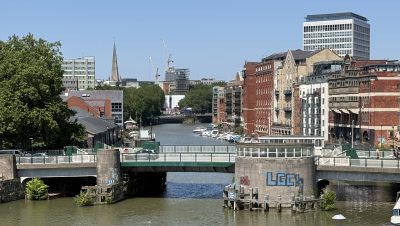
Main photo: Rob Browne
Read next:
 Our newsletters emailed directly to you