Features / Jo Hartland
‘Bristol is welcoming and progressive, but it’s also very divided’
Jo Hartland is a former NHS doctor who now teaches full-time at the University of Bristol Medical School.
Alongside their work training future doctors in inclusive practice and advocating for marginalised communities, they are a LGBTQIA+ activist and campaigner for trans rights.
Ahead of appearing on the Beyond the Binary – Justice, Equality and Community panel on July 3, Jo spoke about inclusive healthcare, allyship and the challenges facing trans communities.
is needed now More than ever
They will be joined by Carla Wakfer, Reporter at Bristol24/7, Yve/Venus and Betty from Shade Cartel, Clare Reddington, CEO of Watershed, and a representative from the Bristol Transfeminist Collective.
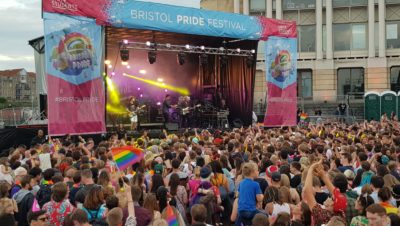
Part of the ALICE Project in partnership with Bristol Pride, the event at the Robin Hood pub celebrates “identity, equality, self-expression and community” through conversation, dance and music.
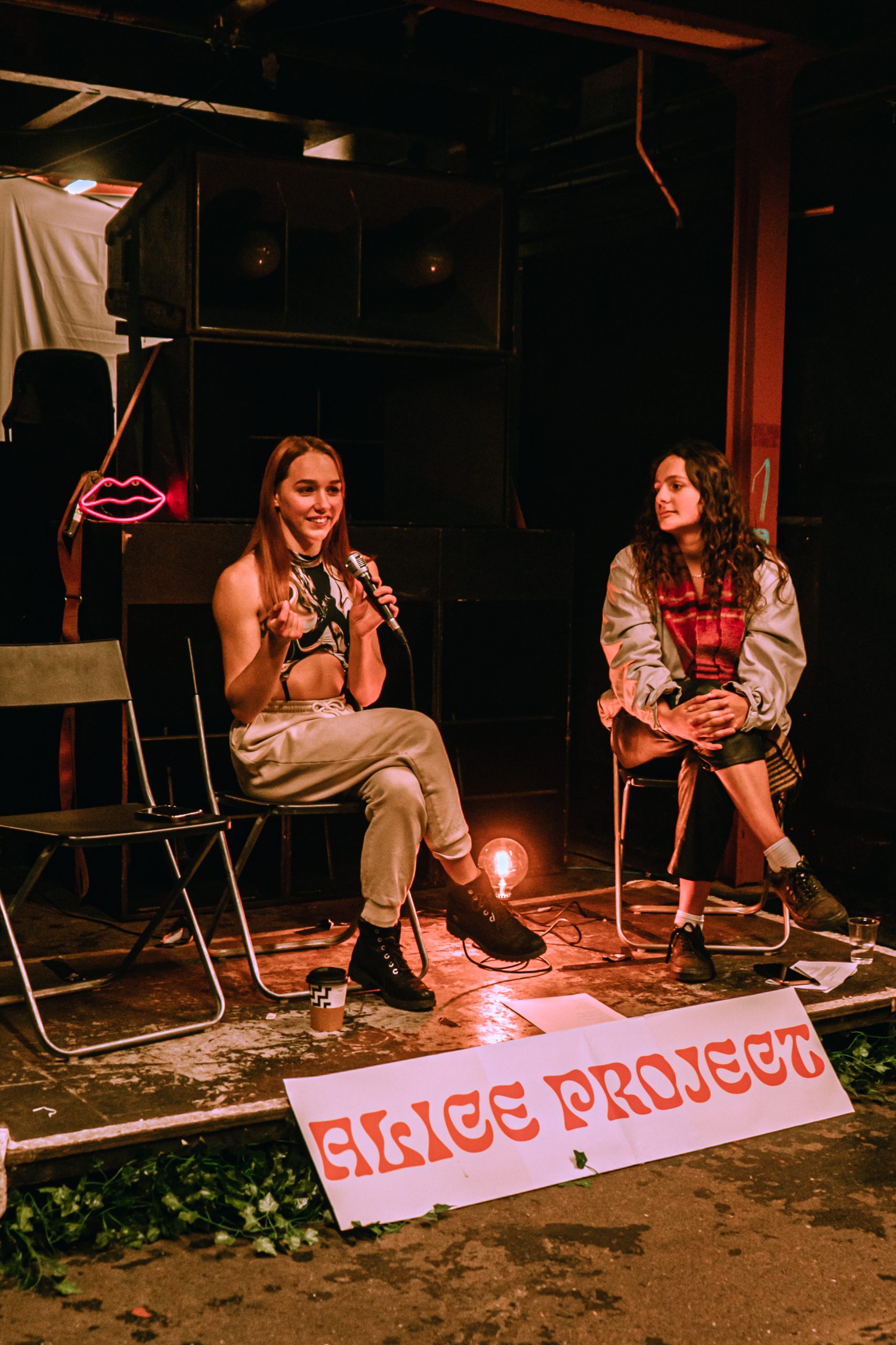
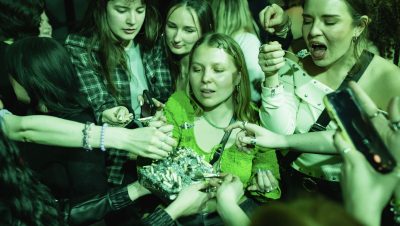
The ALICE Project is an organisation which “empowers emerging female and non-binary artists with space to grow, perform and be visible” – photo @cata.films
The panel is called ‘Beyond the Binary’. What does that phrase mean to you?
“In Beyond the Gender Binary Alok Vaid-Menon argues we should see gender in “full colour” not as a black and white choice. I would hope by now most people recognise that both gender and sex cannot be clearly or usefully defined in such a limited way.
“This isn’t new, that story is as old as time and few things in nature are truly binary. What I really want readers to reflect on is why this seems such a radical idea right now during these politics. Looking beyond means asking the question: who does it serve for gender and sex to be seen as binary?”
You work on health justice education. What does “health justice” mean in practice?
“For a long time in health we have been focused on equality (giving everyone the same access to health), and more recently health equity (providing more support for those with greater needs). Health justice is an extension of these ideas but focused on tackling the avoidable causes of those needs.
“Things like poverty, racism, transphobia, ableism etc aren’t natural. Instead of just treating the symptoms of that violence, health justice is focused on dismantling the powers that cause them and rebuilding health services in and with communities.”
Bristol is often celebrated as a progressive and welcoming city. What is our city doing well and what areas still need work?
“Bristol is welcoming and is progressive, but it’s also very divided. We have huge poverty and life expectancy gaps across the city, with multiple communities who feel betrayed and left behind.
“Despite the progressive work that takes place, it’s often still highly siloed and doesn’t acknowledge the interconnections between all the violences people are facing.
“We need to turn up for each other and each other’s causes. Fighting genocide, benefit cuts, racism or transphobia is all the same systems.
“We need unity and direction so that no one community is left behind, because that injustice will fester and provide the seeds to undo any progress.”
Looking back, what would you tell your younger self before their first Pride?
“I actually took a long time to go to Pride, I only really started attending in my late 20s.
“So, I’d like to go further than my first Pride, back to the young person who was out but not attending and tell them how powerful it is to find community.
“How much it will change them to stop living in fear, how meeting new people will help them realise they aren’t done growing into their queerness, and that they just get happier and hotter the more they let the world see them.
“I think young me would be amazed.”
What gives you hope right now?
“This is by far the hardest question because it does feel hopeless right now.
“However, in my work I meet the most amazing people doing selfless acts in communities across Bristol just to better the lives of the people around them.
“It seems like they are each quite small things, but when viewed together all those little lights glow very bright. I think people are waking up as the political violence gets harder to deny.
“Rather than hate them for how slow they’ve been (which is a legitimate feeling) we must find a way to welcome them with love.
“Despite the best efforts of the top one per cent, I do think we can still come together in community and push back against the individualism designed to divide us.”
Beyond the Binary is taking place at the Robin Hood on July 3. For more information and tickets, visit www.headfirstbristol.co.uk/whats-on/the-robin-hood/fri-3-jul-alice-project-x-bristol-pride-2026
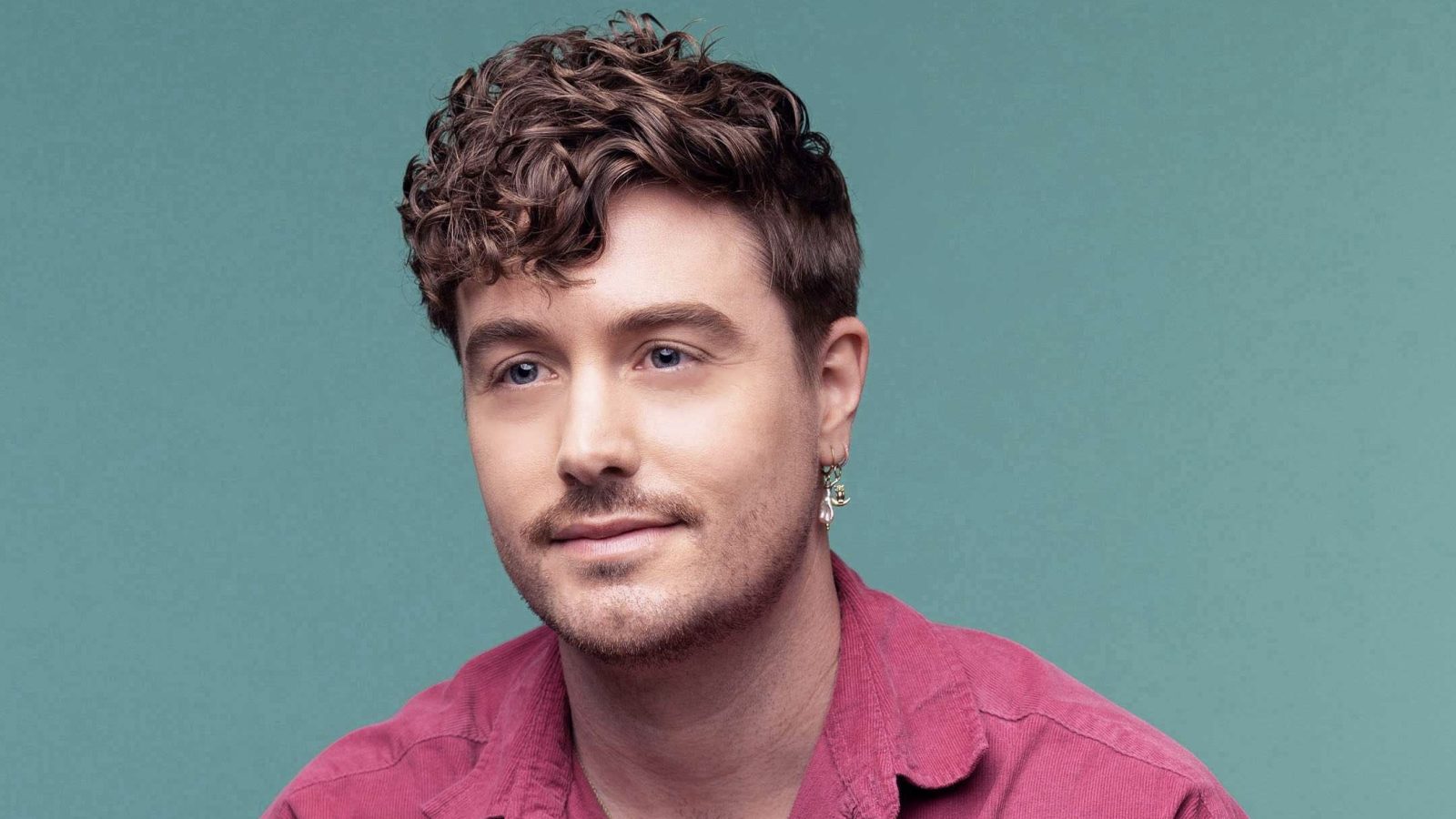
Main photo: Jo Hartland
Read next:
 Our newsletters emailed directly to you