Your say / climate action
‘Nature recovery and economic activity are compatible’
Watercress Farm five years ago was largely silent. Its soils were compacted from decades of intensive farming, its waterways straightened and constrained, its fields home to a single species of grass.
Today, that same land just a few miles outside Bristol has been recorded as supporting more than 2,603 distinct species including 106 bird species, 567 moths and 466 beetles, many arriving without any planting or human introduction.
The transformation is the result of a rewilding project run by Belmont Estate, a country estate that has spent the past decade reimagining what privately owned land can contribute to nature recovery.
is needed now More than ever
The project is being marked today on World Rewilding Day, which falls annually on the spring equinox, as an example of what is possible when nature is given permission to take the lead and restore the land.
“We removed the fences, allowed the hedgerows to grow, rewiggled the Land Yeo river and introduced animals that hadn’t roamed feely on this land for centuries,” Henry Rossiter, one of the estate’s directors, said of the approach that has been taken. “Then we got out of the way and let nature do the rest. Which it did, much faster than we expected.”
Central to the project is a carefully chosen cast of grazing animals.
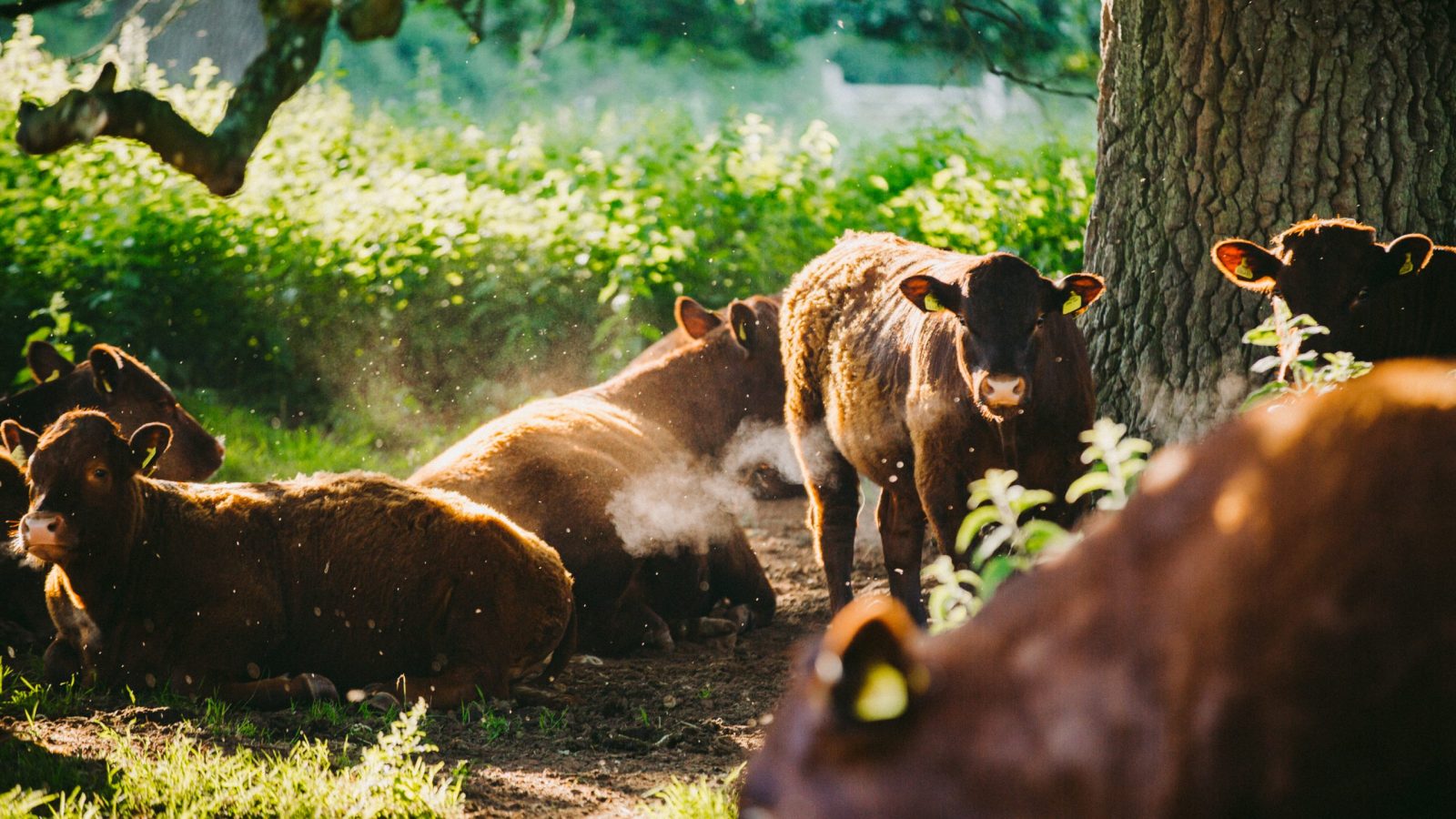
Red Devon cattle, chosen as a proxy for the aurochs – the ancient wild ox that once shaped Britain’s landscapes – mimic the grazing behaviours that drove healthy ecosystems for millennia.
They roam freely alongside Dartmoor ponies on loan from the RSPB and Tamworth pigs selected for their resemblance to the Old English Forest Pig. In January, Iron Age pigs have been introduced to turn over and aerate the soil at speed.
Each breed interacts with the land differently: cattle graze high, ponies graze close to the ground, and pigs root and disturb the soil creating a structural diversity that supports a far wider range of species than any single management approach could achieve.
Native wildflowers, insects and small mammals have colonised the patches of bare earth the animals leave behind.
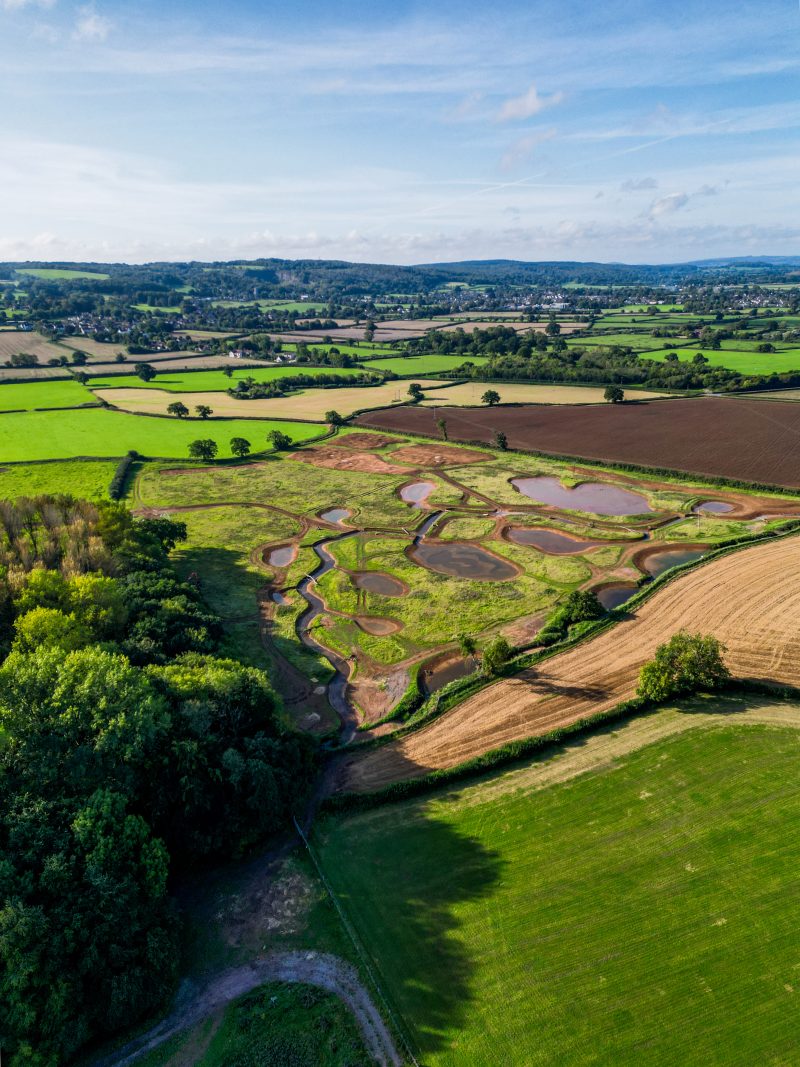
One of the most significant interventions at Watercress Farm has been the restoration of the site’s river.
Working with specialist ecological engineers, Belmont rewiggled the watercourse into a more natural, sinuous path recreating the meanders that had been removed by agricultural drainage and created a series of wetland ponds to slow the flow, trap nutrients and filter water before it reaches the North Somerset Levels downstream.
In a county that has experienced some of the UK’s most severe flooding in recent years, the project carries significance beyond biodiversity. Rewetted floodplains retain water on the landscape, reducing downstream flood peaks.
The restored wetlands are already providing measurable benefits to water quality and local hydrology, a reminder that rewilding is as much about infrastructure as it is about ecology.
Belmont has been deliberate about ensuring that the benefits of the project extend beyond the land itself.
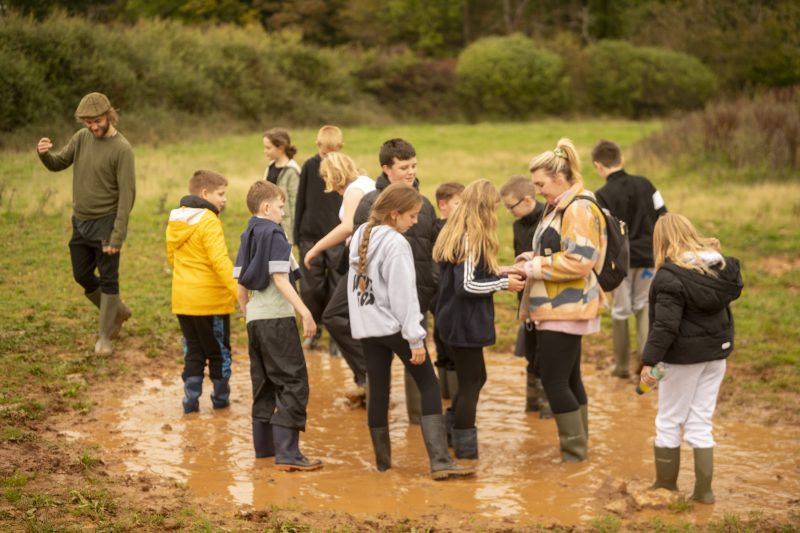
Over 15,000 people have visited Watercress Farm through a free nature connection programme, including thousands of school children, many encountering wild green places for the first time.
Watercress Farm is open year-round through guided walks and talks which are available to anyone, including groups and corporate partners.
Belmont operates not as a charity but as a for-profit business and makes no apology for it.
The estate argues that a commercially sustainable model is the most effective way to demonstrate that nature recovery and economic activity are compatible, and to act as a blueprint for other landowners and businesses.
The estate now generates Biodiversity Net Gain (BNG) units from Watercress Farm, enabling businesses in the South West to meet new planning requirements while funding ongoing nature recovery.
Carbon credit projects are also in development. Rewilding Britain recently reported a 124 per cent average increase in jobs across 65 rewilding sites in England and Wales, evidence that the ecological and economic cases for rewilding are increasingly aligned.
The theme of World Rewilding Day this year is ‘Choose Our Future’, centred on the idea that a wilder, more biodiverse future is not something that happens by chance but is built through deliberate choices made today: about land, investment, policy, and values.
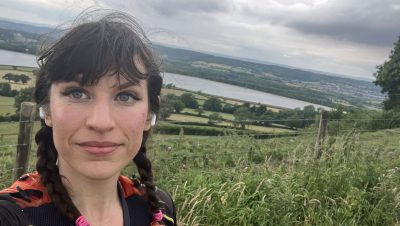
This is an opinion piece by Jyoti Shaw, marketing communications lead at Belmont Estate. She mostly works from the office, but the occasional call to herd sheep and help move pigs from one field to another ensures no two days are ever the same.
All photos: Martin Hartley
Read next:
 Our newsletters emailed directly to you