Your say / Brislington Meadows
‘New evidence says reassess Brislington Meadows development plans’
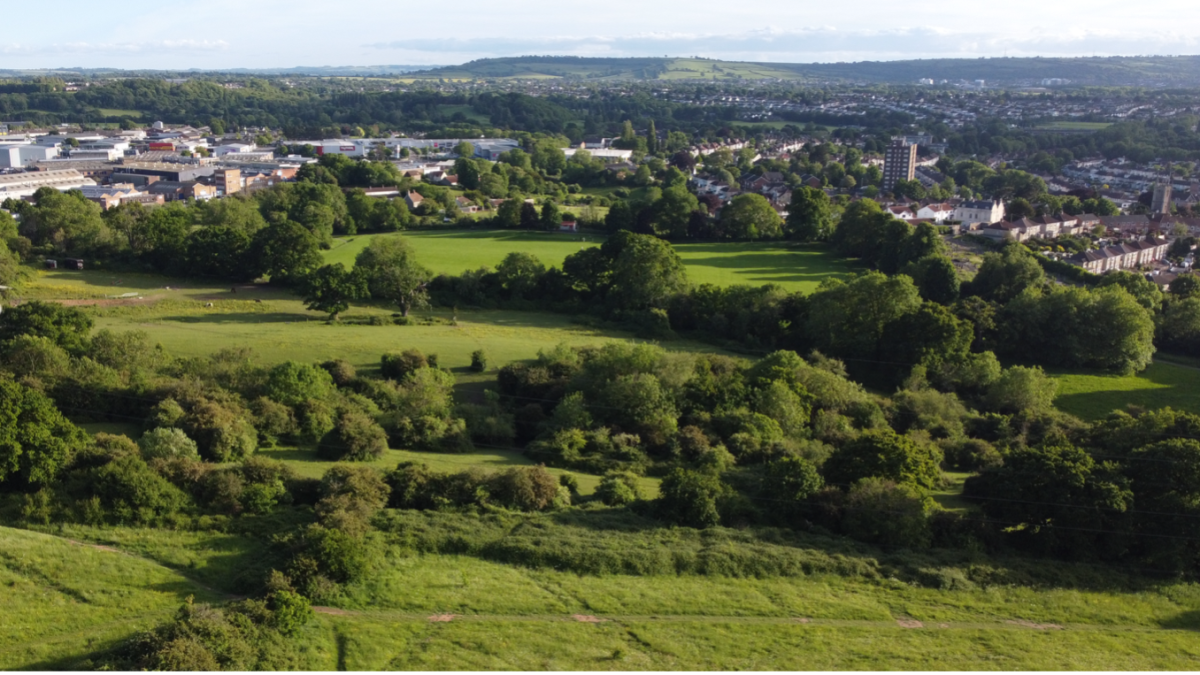
The scale of building over Brislington Meadows, up to 260 houses plus infrastructure, was fixed in 2023 when outline planning permission was given.
The current Reserved Matters planning application is still for the same number of houses. This fails to consider new evidence on wildlife variety and climate breakdown that has emerged since 2023. Building hundreds of houses on this site amounts to over-development.
New insights into and concerns about wildlife variety have grown significantly since 2023, driven by updated assessments showing accelerating declines and an increased focus on tipping points.
is needed now More than ever
The 2024 Living Planet Report revealed that monitored wildlife populations have suffered an average 73 per cent decline between 1970 and 2020, up from the 69 per cent decline reported in 2022.
Reports published in late 2023 and early 2025, such as the State of Nature Report, confirm the UK remains one of the most nature-depleted countries in the world, with over half of plant species and 13 per cent of invertebrates showing decreased distribution.
New insights into and concerns about climate change have continued to grow significantly since the completion of the IPCC Sixth Assessment Report (AR6) in March 2023.
Scientific literature and annual synthesis reports released in 2023, 2024, and 2025 indicate that the situation is more urgent, with several risks arriving faster than previously projected.
Key insights and growing concerns highlighted since 2023 include: overshooting the 1.5 degree warming target; accelerated warming and record heat; weakened carbon sinks; compound events and tipping points; carbon removal limitations; urban vulnerability.
Post-AR6 research indicates that temporarily overshooting the 1.5°C limit is all but inevitable in the near term (before 2040) due to current emission trajectories, requiring urgent focus on limiting the peak and duration of that overshoot.
The years 2023 and 2024 were the warmest on record, with 2024 approaching 1.55°C above pre-industrial levels. This rapid warming is happening faster than predicted.
New evidence suggests natural carbon sinks (land and oceans) may be weakening due to rising temperatures and increased disturbances like wildfires, reducing their capacity to absorb carbon dioxide.
There is increased concern over compound climate events, e.g. simultaneous heat and drought, which are causing widespread impacts.
There is also heightened worry that a 1.5°C overshoot could trigger dangerous tipping points, such as the rapid melting of polar ice sheets.
There is a growing focus on the risk of human immobility in the face of climate disasters and the increasing, often irreversible, damage to infrastructure, particularly in coastal and urban areas.
Given the new evidence and heightened concerns current plans need to be significantly scaled down.
Any attempts to offset or compensate for the impact of hundreds of houses on the site are inadequate in that they are still based on 2023 thinking.
This is an opinion piece by Glenn Vowles, a long-time Bristol Green Party campaigner and an environment tutor at the Open University. Glenn blogs at conserverliving.blogspot.com
Main image: Mark Ashdown
Read next:
 Our newsletters emailed directly to you