Your say / Princess Street
‘Princess Street highlighted continuing problems with Bristol’s planning system’
Hearts sank across South Bristol when news broke about planning committee members being told by Bristol City Council’s planning officers that they should approve the Princess Street development which councillors had already debated and voted against six weeks earlier.
It was an all too familiar story to people in Knowle who, in what became known as the Broadwalk scandal, fought hard for two long years to see justice restored after a planning committee had performed a similar U-turn in July 2023.
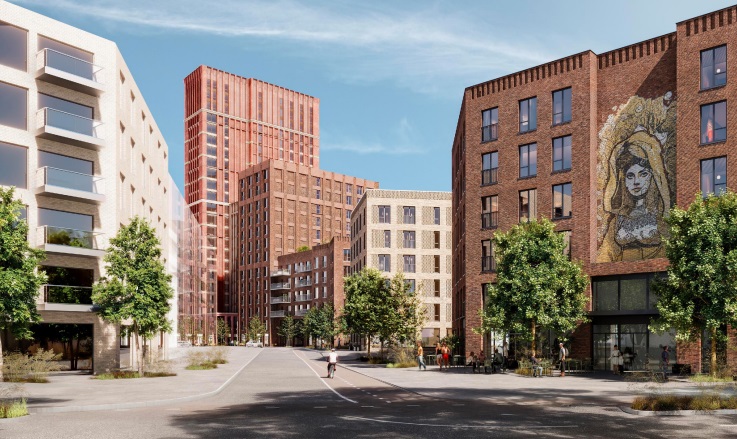
The 23-storey building was approved on March 11 – image: Liz Lake Associates
Last week’s U-turn over Princess Street brought back memories of that scandal and highlighted continuing problems with Bristol’s planning system.
is needed now More than ever
A petition, signed by over 3,500 Bristolians and debated in the Council chamber in 2024, raised concerns that “Bristol City Council is currently failing to deliver an effective, impartial service; lacks consistency in the application of material planning considerations and policies and; is being unduly influenced to ‘get stuff done’.”
Sadly, these concerns remain.
Planning decisions are sent to a cross-party committee of councillors when there is significant public interest, or an application is deemed too significant for the planning department alone to decide its fate.
Taking an application to a planning committee is a sign that it requires broader scrutiny and a democratically-robust seal of approval.
This was clearly the case with the Princess Street application, which attracted over 500 objections from the public, organisations, community groups and statutory consultees.
It is important to say that local people are not arguing against regeneration of the area, or against increased density to provide much needed housing.
But the National Planning Policy Framework (NPPF) states: “Design policies should be developed with local communities so they reflect local aspirations and are grounded in an understanding and evaluation of each area’s defining characteristics.”
Such a design policy – the Whitehouse Street regeneration framework – has been developed, is a material consideration and is undermined by the current controversial planning application.
A 24-storey student accommodation block, dominating the community and ruining views cross the city, was not envisaged for the area.
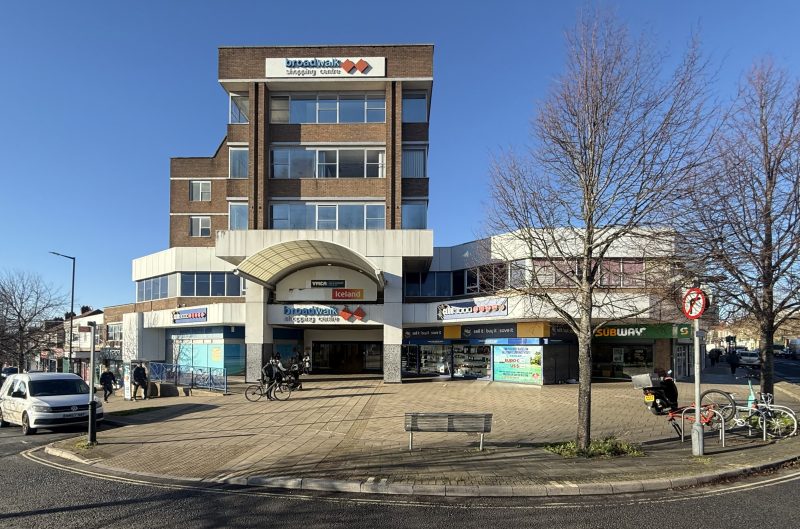
The Broadwalk Shopping Centre in Knowle underwent a similar planning ‘U-turn’ – photo: Martin Booth
Furthermore, Historic England – a statutory consultee whose opinion should carry considerable weight – states that the development would cause harm to heritage assets, does not meet the requirements of paragraphs 212 and 213 of the NPPF and amendments should be sought from the developer.
In January, the planning committee had identified such legitimate grounds for refusal and officers were instructed to prepare a report turning these concerns into robustly-worded, legally-sound reasons for refusal at the next meeting.
Instead, at the March meeting, the officers’ report undermined these material considerations and argued that refusal was likely to result in a costly appeal.
Potential losses of £1million were discussed, worrying councillors who know how tight council budgets already are.
Some members of the committee felt they had little option but to grant planning permission and the decision to refuse was overturned.
Was it the right thing to do?
It is enshrined in planning law that decisions must not be influenced by the negative consequences of rejecting an application – fear of costs or an appeal is an unlawful basis for decision-making.
Committee members were reminded of this by their colleague Councillor Poultney only minutes before they voted, but some councillors said they were reluctantly voting to approve the application because of the threat of an appeal and the enormous potential costs to the council.
Can what happened on March 11 be challenged?
Freedom of Information requests relating to the Broadwalk case revealed that, when the developers did not get the decision they wanted, a flurry of communications involving the then-Mayor’s office resulted in pressure to reverse the decision.
We can only imagine the tactics that may have been deployed after the Princess Street proposal was voted down in January.
But, as history repeats itself, lessons have been learned from the Broadwalk scandal.
It is encouraging to see that the communities of Windmill Hill and Bedminster, and sympathisers from across the city, are standing up against this current injustice.
They are determined to challenge the decision, their case seems to be strong and they are already talking to an experienced barrister.
A crowdfunder has been set up to raise the money needed to launch their legal battle. If you want to support them, donations can be made here.
Suzanne Audrey is a community activist with an interest in neighbourhoods and planning.
Main photo: Liz Lake Associates
Read next:
 Our newsletters emailed directly to you