Your say / Liveable Neighbourhoods
‘The EBLN does not have the consent of the community’
To state the obvious: the East Bristol Liveable Neighbourhood has been controversial.
In between everyone who is staunchly for it and vehemently against it, there are many people who think it could work but take issue with aspects of it.
As councillors, it’s our jobs to find out what the public think and what action they want the council to take.
is needed now More than ever
So over the last six months, I’ve met with residents, community organisations, local community leaders, local businesses, health services and the fire & rescue service.
Informed by these conversations, we’ve put forward changes to the scheme that we believe could work for everyone.
Concerns have been raised repeatedly in Barton Hill. Businesses have lost trade (and need to be compensated along with changes made to the scheme), residents feel like they have been cut off from other communities, those accessing the local mosque have experienced issues, and disabled people say they have difficulty getting to and from their homes.
There has also been a mixed response in parts of St George.
This could be fixed, if the Greens wanted to do so.
Turning off the bus gates could alleviate the gridlock, allow residents easier access to local amenities, including the healthcare centre, and provide a boost for the struggling businesses.
The effect on bus journey times will need to be monitored to assess the impact.
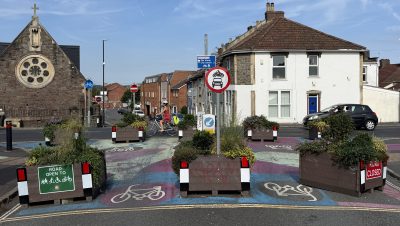
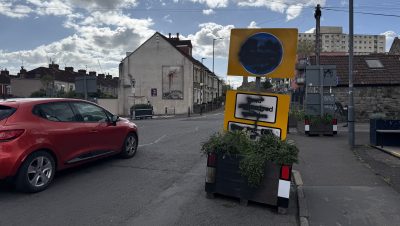
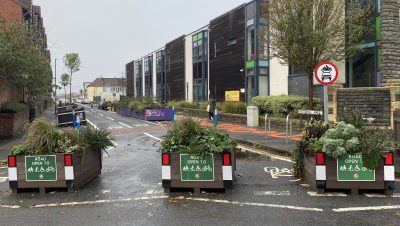
Replacing some of the planters in Barton Hill with Automatic Number Plate Recognition (ANPR) cameras would do the same and stop the problem of cars mounting the pavements to drive around the planters, while stopping rat-running.
These are a few small things on a situation that needs nuance, so I would encourage you to read our full proposals released in October.
We have continued to listen to residents and receive feedback.
Additionally, the Pile Marsh bus gate is causing significant issues for residents and should also either be turned off or allow for resident access.
Victoria Avenue is experiencing significant problems and should, at a minimum, be converted to ANPR cameras with the planters removed.
Either way, roadblocks in many areas of the scheme must be removed so emergency services can carry out their vital role in saving lives.
We are aware that there has been a significant impact on the fire service and its ability to respond to emergencies in the EBLN area.
This is concerning and given legitimate concerns residents have over issues with building safety, must be treated with the utmost seriousness.
A Freedom of Information request has set out those issues, noting delays in being able to reach emergencies.
Minutes matter when there is an incident, any further changes required to ensure that Avon Fire & Rescue Service can get there in a timely manner must be given careful consideration.
This raises questions here about how long the Green-led council have been sat on this information.
It is a far cry from the promised transparency when they stood for election, with a litany of broken promises left lying around discarded.
Public safety must be paramount. The Greens must come clean about what they knew and when. To me, it appears they are now only acting because that information has reached the public domain.
As is, the EBLN scheme does not have the consent of the community, and we will not support it to remain in its current form.
Once we hear more about what changes may be made, we will make a further assessment of our position.
Community trust is important. Sherry Arnstein’s Ladder of Citizen’s Participation noted the hierarchy of engagement that is still used in different forms today.
At no point has this process got above tokenism, therefore damaging relationships between communities and institutions.
There will be a lot of work to do to rebuild them, it must start with a lot more transparency and listening ears.
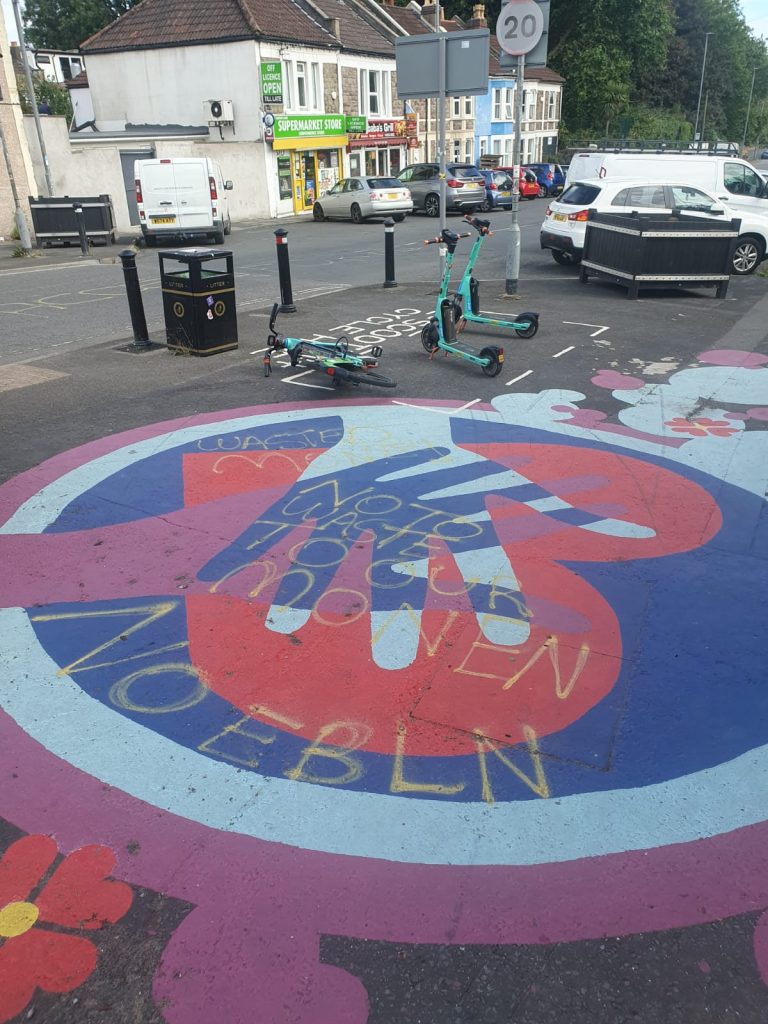
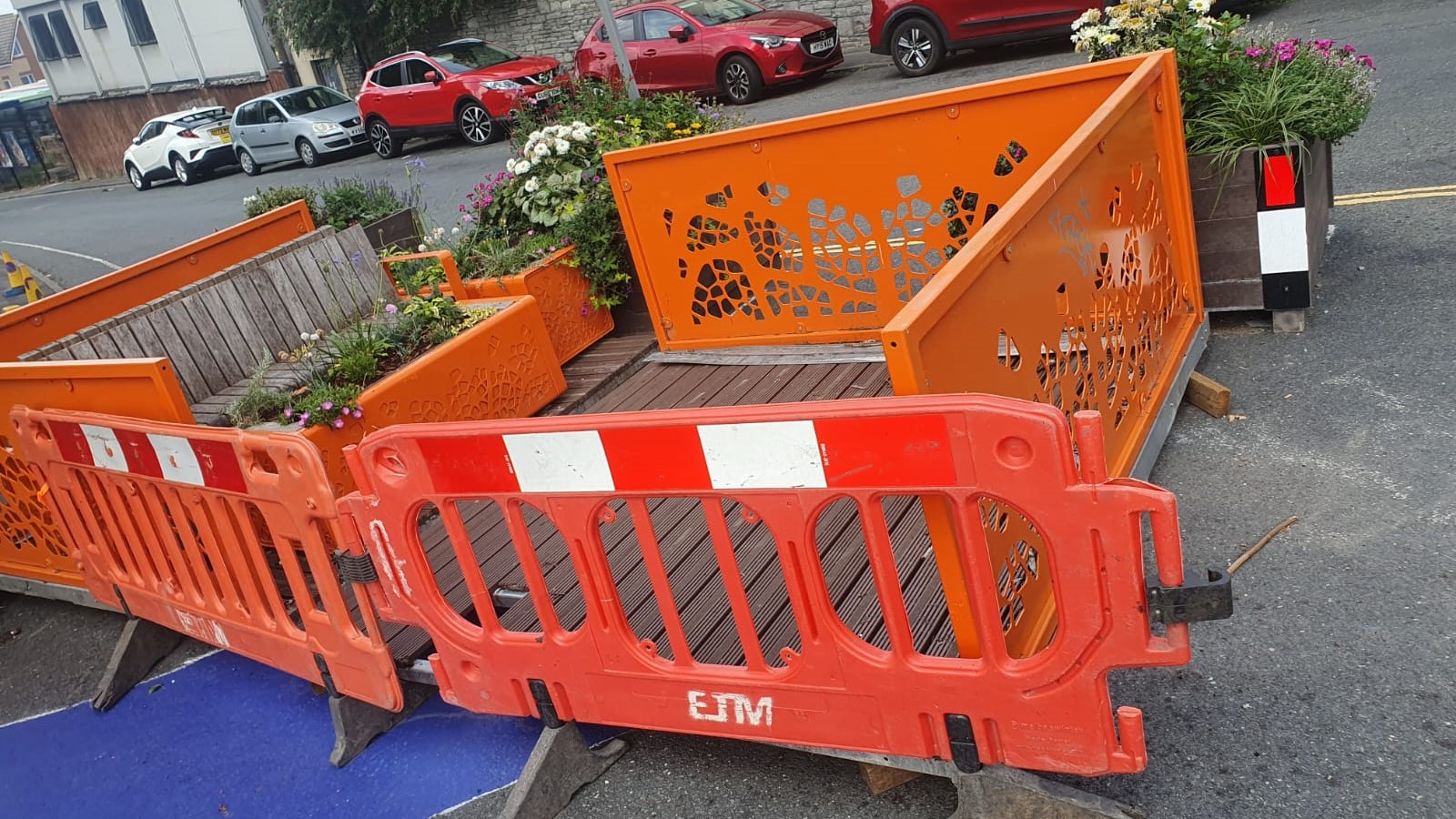
Anti-EBLN graffiti in Barton Hill – photo: Labour
Poor engagement practices
The Green Party’s approach has been one of dogma and attempting to sideline or discredit those voices that express disagreement to their point of view.
This has even seen transport & connectivity policy committee chair, councillor Ed Plowden, apologise after he “misspoke” on BBC Radio Bristol when levelling false accusations against one of the city’s well-respected members of parliament.
Another Green councillor, Cara Lavan, has also been pulled up for making misleading comments in the press.
Their consultation has been lacking. Their latest survey failed to ask for specific feedback on aspects of the scheme, leaving many residents feeling it was nothing more than a fait accompli.
Instead of asking the questions that residents are desperate to answer, it asks how often you visit local places and by what mode of travel.
You may get some good data from this but it’s not what people want. They want the council to listen to them.
The apparent point of the council’s survey is to gauge how behaviours have changed since the EBLN has been in place – but there’s no way to tell if the same people are answering the survey, so its results are meaningless if they are being used to measure changes in attitudes.
Attempting to say that this is being done to mirror an earlier survey for comparative purposes is at best naive, at worse, gross incompetence.
At some point, the Green Party are going to need to show some leadership, rather than continually attempting to blame the previous Labour administration (or council officers) over their own choices, all while taking credit for things they had little to do with, and even actively opposed in some instances, like new homes for those on the housing waiting list.
The Green Party say they have learned lessons from the EBLN but the public has yet to see any evidence of that.
In a recent meeting, it came to light that both the deputy leader of the council, Heather Mack, and Plowden, were briefed and supported the operation to finish installing the scheme in the dead of night, backed up by police, drones and taxpayer-funded private security.
They stated they ‘stand by that decision’, showing a lack of recognition on the impact it has had on local residents. The community is still waiting for an independent investigation into the events of that night.
Trust will not be rebuilt with communities when there is a failure to demonstrate insight into actions that have damaged community relations.
Their tin-eared response to the EBLN shows they haven’t learnt a thing. In fact, they’re making the situation worse with the new South Bristol Liveable Neighbourhood.
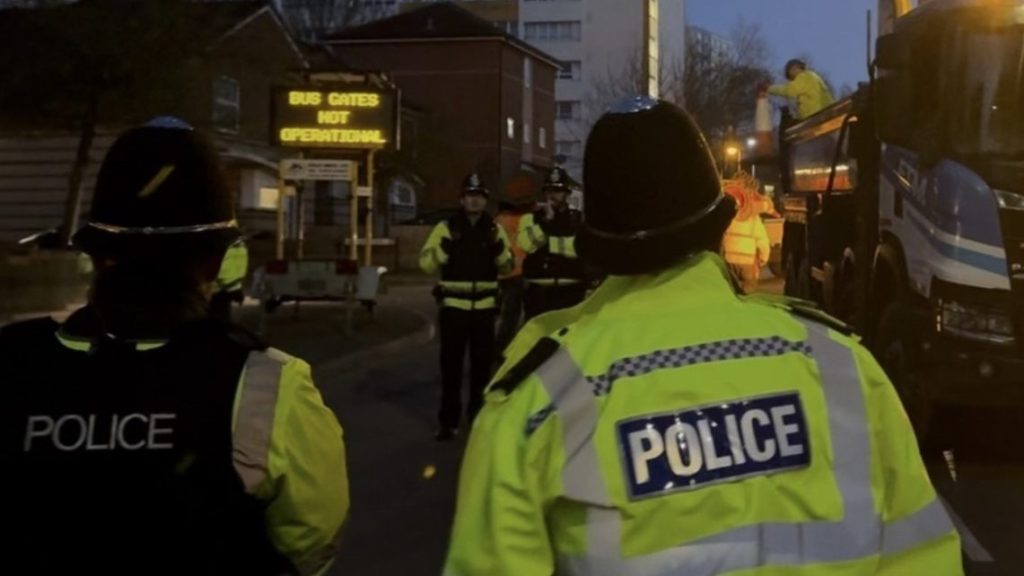
Police accompanied council contractors to install a bus gate in Barton Hill – photo: Fadumo Farah
South Bristol Liveable Neighbourhood
Have lessons really been learned with the proposals being brought forward in south Bristol?
More than 2,800 people have signed a petition opposing the Southville section of the new liveable neighbourhood.
The organisers submitted this petition almost a full week ahead of deadline, yet the Green Party transport chief tried to block it from debate, without a good reason.
This is clearly undemocratic and the opposite of the public participation the committee system promised.
If the petition was pro-liveable neighbourhood, you can bet they would have allowed it to be debated.
He only relented after Labour councillors on the transport committee said they would call an extraordinary meeting to hear the petition unless he allowed residents to present it.
This behaviour is reflective of the Greens’ ‘we know best’ attitude that has become all too familiar.
Their track record includes councillor Rob Bryher claiming traffic “just evaporates” rather than being displaced to elsewhere, and telling people opposed to the EBLN to “move to the countryside” if they didn’t agree with him.
Plowden is on the record saying “don’t bother” coming into the city centre if you have to travel by car.
One former Bristol Green Party leader and current alderman, Charlie Bolton, went further, branding one resident who he disagreed with about the proposals “a nasty antagonistic little shit”.
This is unacceptable behaviour. He should be stripped of his alderman title by the council without delay and booted out of the Green Party.
This is not the leadership Bristol needs. Blocking debates and attacking residents who disagree will not change feelings over blocked roads.
It will entrench opinion when the council needs to be focused on bringing people together, listening to people, and learning from lived experiences.
Dismissing lived experience and legitimate concerns will not move us forward, and it has never been more important than in the current climate we live in.
A clear roadmap is now needed on the next stages of the process, and what opportunities residents will have to further influence as it progresses.
As it stands, Bristol Labour will not support the current proposed scheme in south Bristol.
There’s still time for them to take constructive criticism on board and take a pragmatic approach to these schemes and the running of the council; but the clock is ticking.
We will continue to make contributions and represent the views of residents, even if that means delivering ‘difficult messages’ that the Green-led council does not want to hear.
The approach of the Green Party so far has been to divide people into their supporters and those who are wrong and should be dismissed / not listened to.
Taking the approach of ‘us and them’ or ‘if you’re not with us, then you’re against us’ does not reflect how society actually works.
Members of the public want to see positive change and will have nuanced views about how that is achieved.
It is important to listen, even when we don’t like the response.
Whether you like liveable neighbourhoods or not, I’m always happy to meet and hear your views. Do get in touch if you would like to chat.
This an opinion piece by Tom Renhard, councillor for Horfield ward and leader of Bristol’s Labour group
Main photo: Labour Party
Read next:
 Our newsletters emailed directly to you