Your say / Transport
‘Labour MPs should work with the council, not against, to decide the future of the EBLN’
In a recent Bristol24/7 opinion piece, Bristol East MP Kerry McCarthy made a series of accusations regarding the implementation of the East Bristol Liveable Neighbourhood (EBLN).
While I welcome her engagement in the scheme and constructive feedback, I am disappointed in her lack of direct engagement with Green ward councillors over the formal consultation process for the scheme.
I can’t help but wonder if these accusations are being used for political opportunism rather than for the good of residents.
is needed now More than ever
I am a councillor in St George Central, one of the wards that the MP name checks in her article. A few streets in my ward sit within the EBLN.
The rest of it, which stretches up to Kingswood, sits outside – so many of the residents who live there are not experiencing the immediate benefits of the changes.
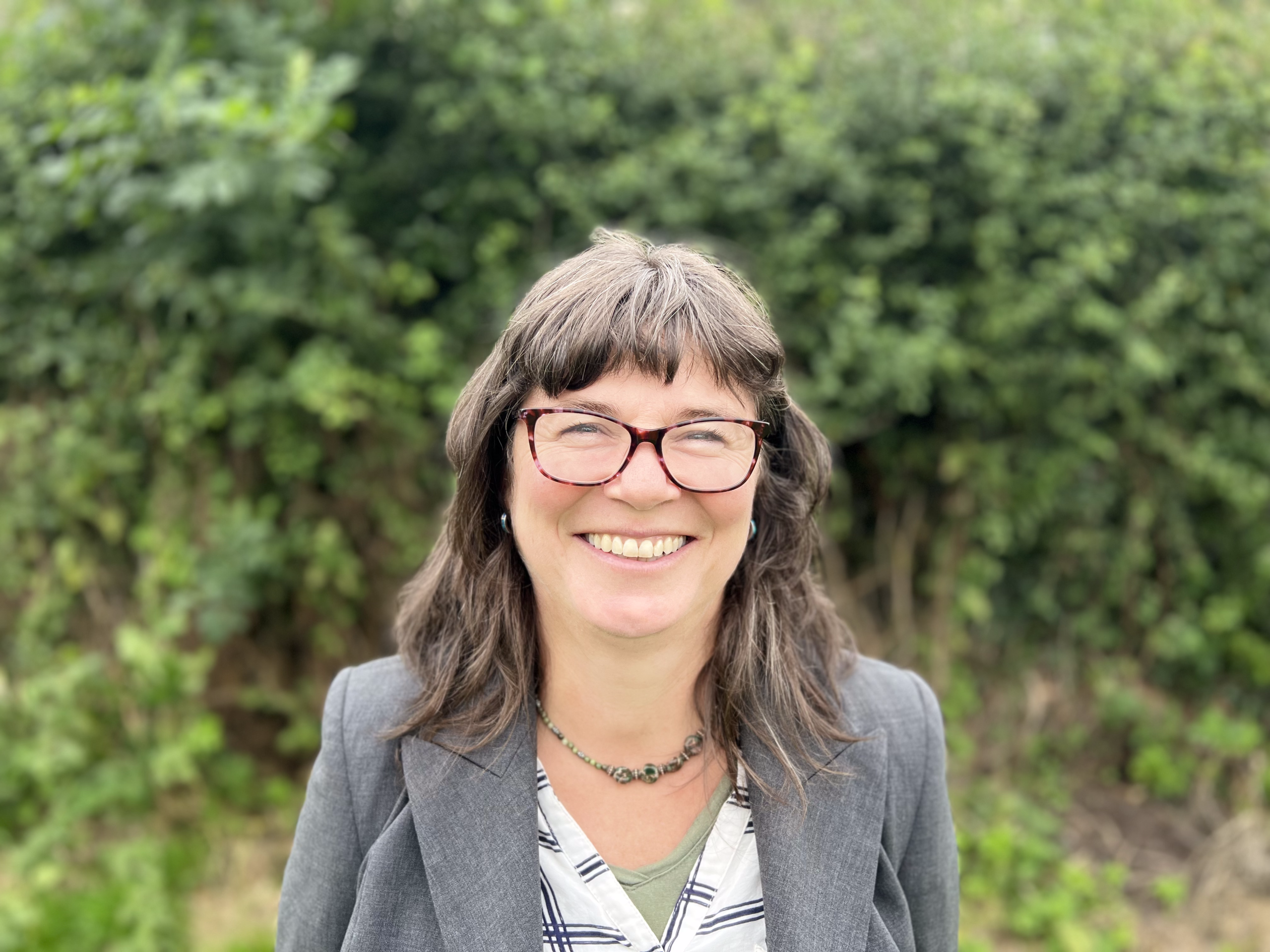
Outside of being a councillor for St George Central, Cara Lavan is a filmmaker and a child advocate – photo: Bristol Green Party
I have received more emails about the EBLN than any other subject over the last year. Some in support and some against it.
McCarthy dismissed councillors’ responses to the EBLN because she doesn’t know what they are. She said that we have “seemingly no interest in their [the public’s] views or feedback”.
Not once has she contacted me or my ward colleague, Green councillor Abi Finch, about a resident’s concern regarding the EBLN.
Meanwhile, we have replied meticulously to emails. Where a resident has a concern, we try to address it. If we can’t address it, we ensure it is passed on to the officers building the final picture of how the scheme will look.
Equally, we pass on messages from residents who contact us to praise the scheme. I know my other Green council colleagues do the same.
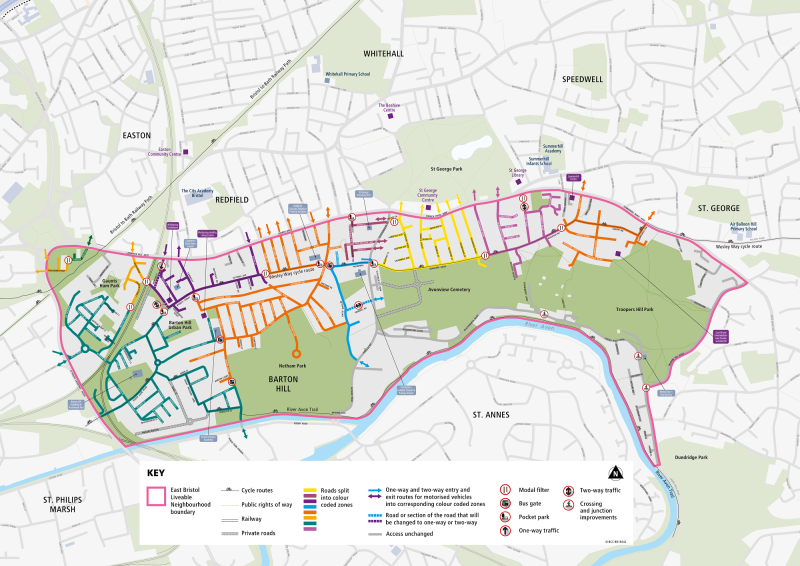
The East Bristol Liveable Neighbourhood covers parts of Barton Hill, Redfield and St George – image: Bristol City Council
We have been able to solve travel problems for some residents by helping them work out better routes or signposting them to bus services they were not aware of.
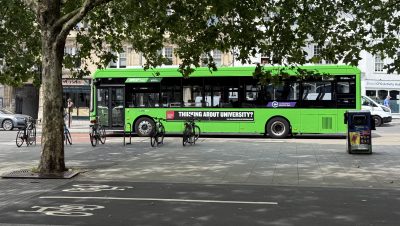
We were instrumental in ensuring a new bus route through our ward and in flagging issues with buses being too full when the scheme first began.
When one resident wrote to me to say it was taking him 60 minutes to travel less than a mile, I went to his house at 7.45am and sat with him on the journey to experience it myself.
It took 15 minutes, but we sat and talked for almost an hour.
On that journey, he shared many fears and worries about the EBLN, most of which were based on social media smears rather than his actual experiences.
The data and feedback being collected to measure the successes and failures of the EBLN are extensive.
Monitoring of air quality and journey methodology and timings has been in place for a year prior to the trial’s commencement and remains ongoing.
Data includes traffic counts, traffic speeds, automatic number plate recognition camera compliance levels at bus gates, feedback from councillors, feedback from public engagement, business engagement and road safety data.
An independent polling company will also be gathering a representative sample of residents’ views and interviewers have been conducting both face-to-face and telephone interviews to collect in-depth data on the community’s experience.
The West of England Centre for Inclusive Living will be carrying out its own independent accessibility audit of the trial scheme.
But that’s not all: UWE Bristol will be among partners going deep into community groups and street corners to solicit feedback and experiences in what’s called a Citizens’ Observatory.
A consultation has just closed. I agree with critics that this did not provide sufficient space for people to comment in detail on their experience, but it was designed to match exactly a survey that Labour put out when they had ownership of the scheme, so that any changes in responses can be accurately tracked.
Information on the many, many forms of consultation is here. And where possible, changes have already been made to improve the scheme.
The data and the response to the data are due to be published in December.
I’m surprised (perhaps foolishly) that a local MP would pre-determine what happens in the community before the many data sets being collected are even produced.
Has McCarthy researched the impact of her suggested changes on other streets or areas? Because I do know that this is exactly what the transport team at the council have been doing.
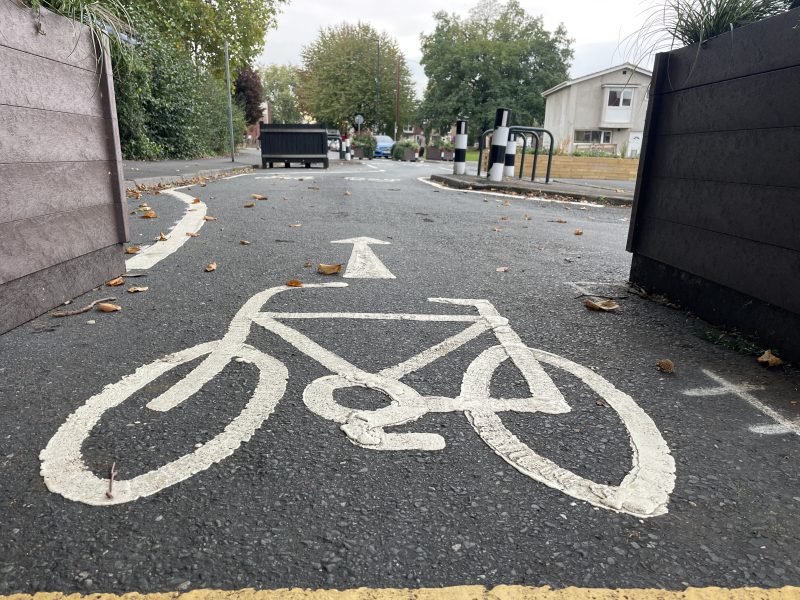
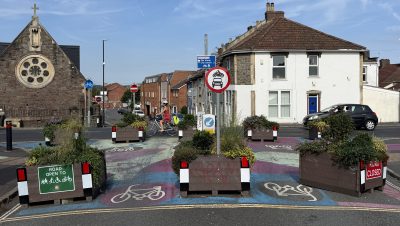
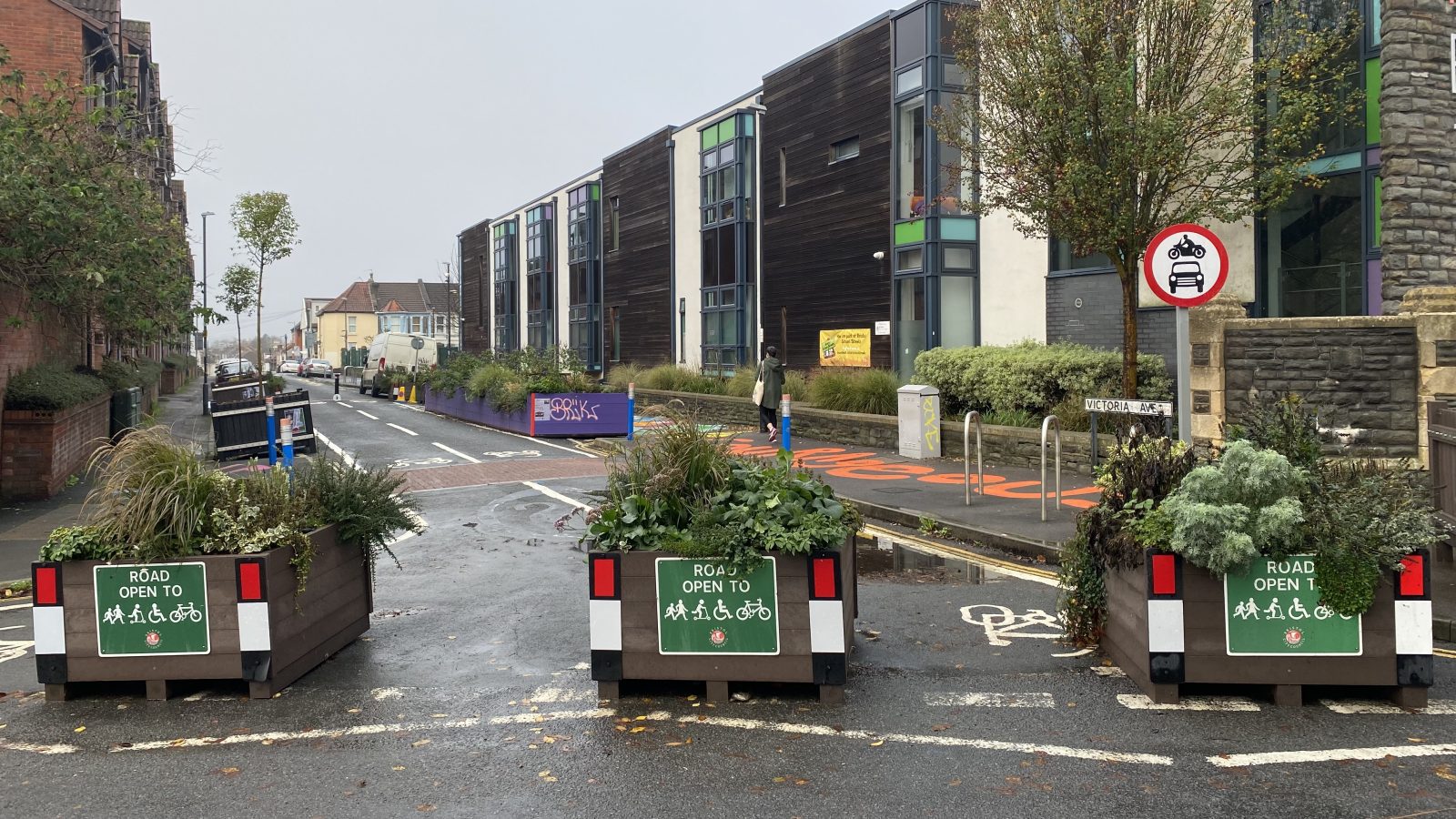
The scheme includes measures such as bus gates, planters, bollards and pocket parks – photo: Betty Woolerton
There are no easy solutions to Bristol’s traffic issues. Years of government policy have made public transport less affordable.
Sadly, the Labour government has perpetuated this by raising the bus fare cap and the local mayor has made no plans public to introduce bus franchising or introduce mass transit.
My question is: why is McCarthy blaming councillors who are trying to resolve local issues, rather than lobbying her own government and mayor to improve public transport and make it more affordable and reliable?
We all need to work together to find solutions to our collective problems. We need to have difficult conversations to make Bristol a city that is fit for the 21st century and the challenges and opportunities it brings.
I’d love it if the MP for Bristol East would work with us, rather than against us.
This is an opinion piece by Cara Lavan, Green councillor for St George Central
Main photo: Betty Woolerton
Read next:
 Our newsletters emailed directly to you