News / Transport
Residents call for redesign of ‘infuriating’ junction
A notorious crossroads has become a symbol of Bristol’s traffic woes, with drivers, cyclists and pedestrians united on one point: it doesn’t work.
Residents describe the junction in St George as “infuriating”, with slow-changing signals and long waits that prompt pedestrians to risk a dash, while some cars slam on their brakes, beep their horns and shake their heads in long queues.
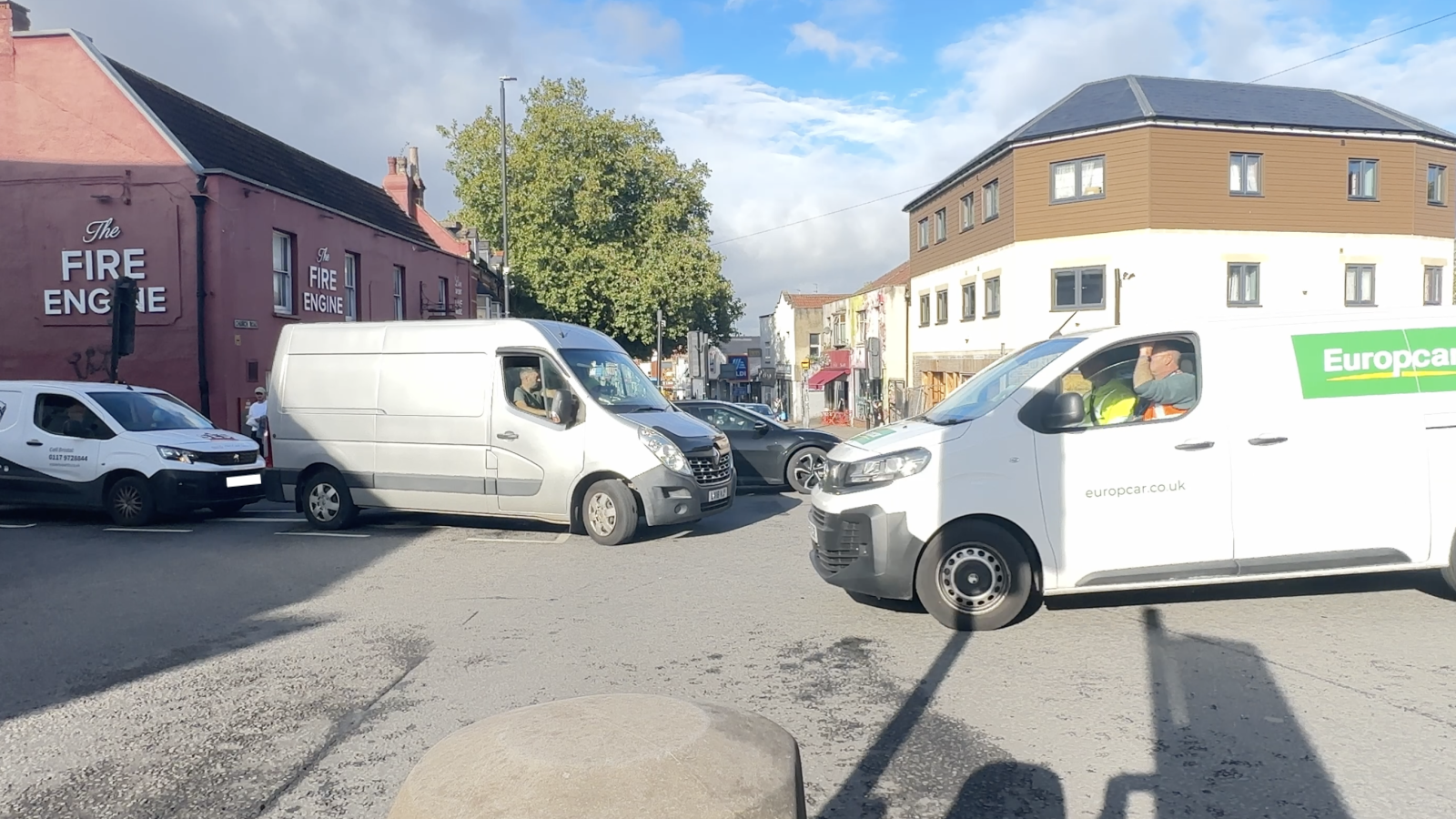
Overlooked by the Red Church and the Fire Engine pubs, the area is located at the intersection of Blackswarth Road, Chalks Road and Church Road.
is needed now More than ever
Redesign is “the number one question” Green councillor for St George West, Rob Bryher, is asked about.
Bristol24/7 has approached Bristol City Council for a comment.
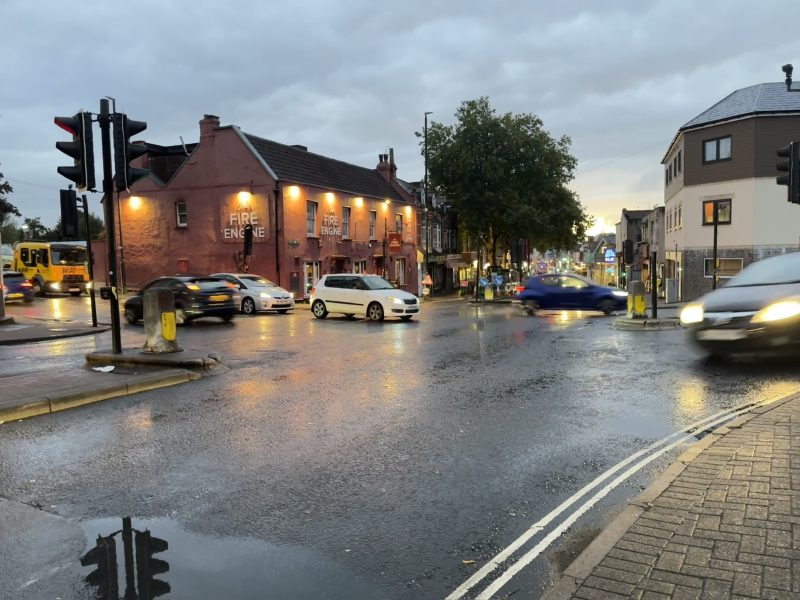
The pattern of the light signals is a daily frustration for commuters at the junction in east Bristol
On Facebook group BS5 Community Vibes, members complained of poor driver behaviour and unclear markings. A repeated complaint was regarding cars turning right from Blackswarth Road blocking traffic going straight ahead to Chalks Road.
Pedestrians voiced concerns over the light timings often leaving them stuck for long periods on the islands, with prams and small children.
Barton Hill resident Anthony Matthews suggested changing the lights timings to traffic: “If Chalks Road lights went first, then Blackswarth Road after for at least 20 to 25 seconds, you wouldn’t get the build-up or drivers racing forward to beat others.”
Sophia Greppi, from St George, remembered a temporary system put in place during roadworks.
“It was dreamy,” she said. “Despite having to wait at a longer red light, traffic moved much faster where turns weren’t blocked.”
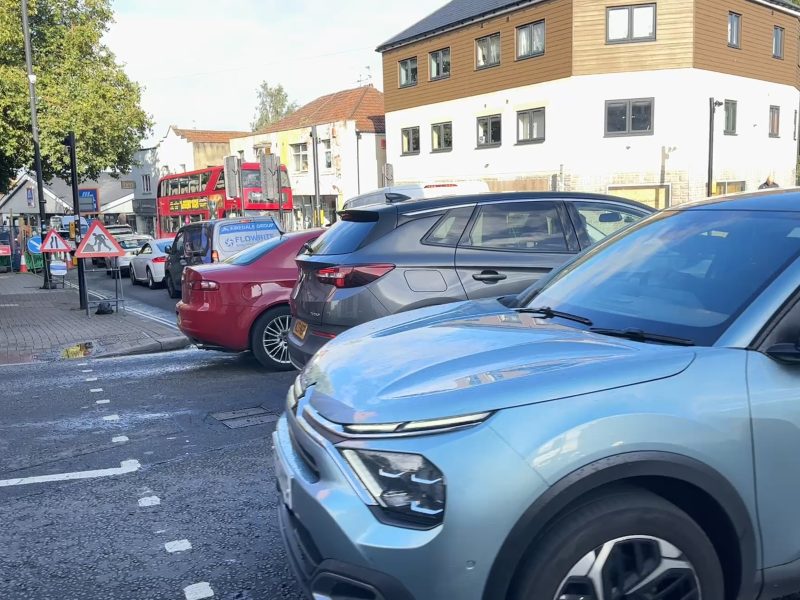
After queuing on Blackswarth Road, drivers often lose patience when cars turning right block access to Chalks Road
Tracey, who did not wish to give their surname, from Redfield, blamed the East Bristol Liveable Neighbourhood (EBLN) scheme for the “impossible” situation at the crossroads.
“The junction simply cannot handle the sheer volume of traffic forced to use it. The council planners must have known this would happen as there is no alternative route.”
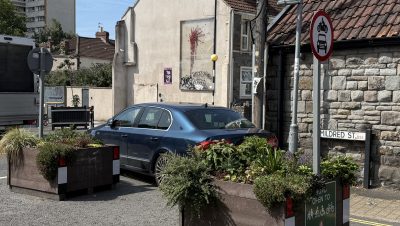
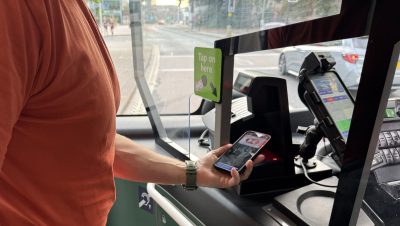
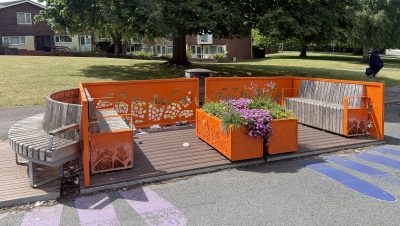
The controversial liveable neighbourhood trial, covering Barton Hill, Redfield and St George, is testing measures like bus gates, modal filters and improved public spaces to reduce through-traffic and encourage walking, cycling and public transport.
Tracey continued: “It’s a tricky junction due to the buildings on both corners of Blackswarth Road and the no left turn – even without the EBLN.”
“Remove the EBLN and return the streets to how they were.”
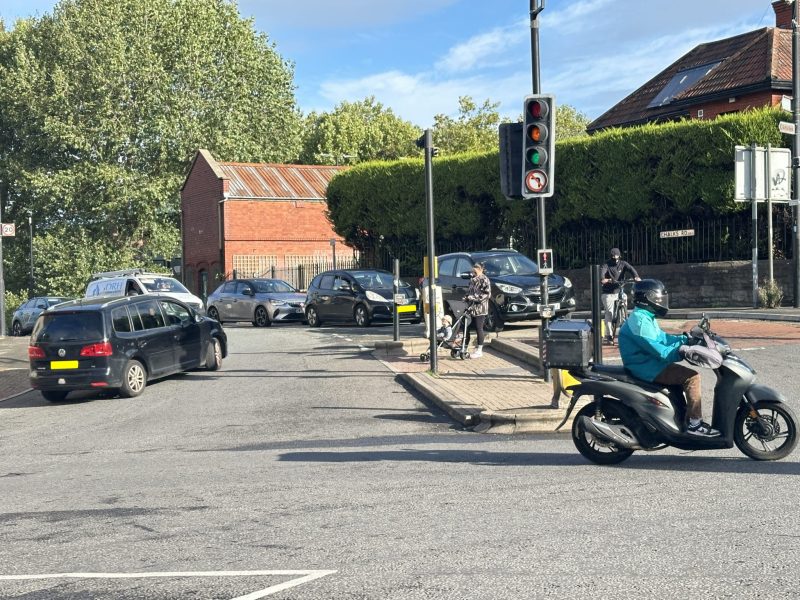
The slow-changing lights can leave pedestrians stranded on islands for minutes
Speaking to Bristol24/7, Bryher said that paper plans to change the junction do exist which would allow cars (but not heavy goods vehicles) to turn left from Blackswarth Road into Church Road, reprogram traffic signals to reduce clashes and introduce a ‘Tokyo-style’ pedestrian crossing.
While he admitted pedestrian crossing times are frustrating, Bryher explained that these have remained “fairly static”, with changes made to deliberately prioritise buses on Church Road over Blackswarth Road and Chalks Road drivers.
Bryher said future funding could come through any permanent EBLN scheme or via alternative transport funds, but stressed that reducing car volume remained the long-term goal.
He said: “We hope the demand for change at the junction will be met by a forthcoming scheme but, like anything involving transport, it won’t happen incredibly quickly.”
For now, the scene is set to remain one of car horns and swear words.
Carla Wakfer is reporting on St George as part of Bristol24/7’s Community Reporters programme, aiming to amplify marginalised voices and communities often overlooked by mainstream media.
This initiative is funded by our public, Better Business members and a grant from The Nisbets Trust.
All photos: Carla Wakfer
Read next:
 Our newsletters emailed directly to you