News / Development
Developers accused of ‘dressing up profiteering as sustainable’
A development of 200 new homes could be built next to a village near Bristol where stiff resistance to the plans is growing.
The 350 homes that make up Failand fill up a triangle between Clevedon Road, Weston Road and Flax Bourton Road.
But now a major planning application has been submitted which could see the village spread beyond its current distinctive shape as part of a development called Failand Meadows.
is needed now More than ever
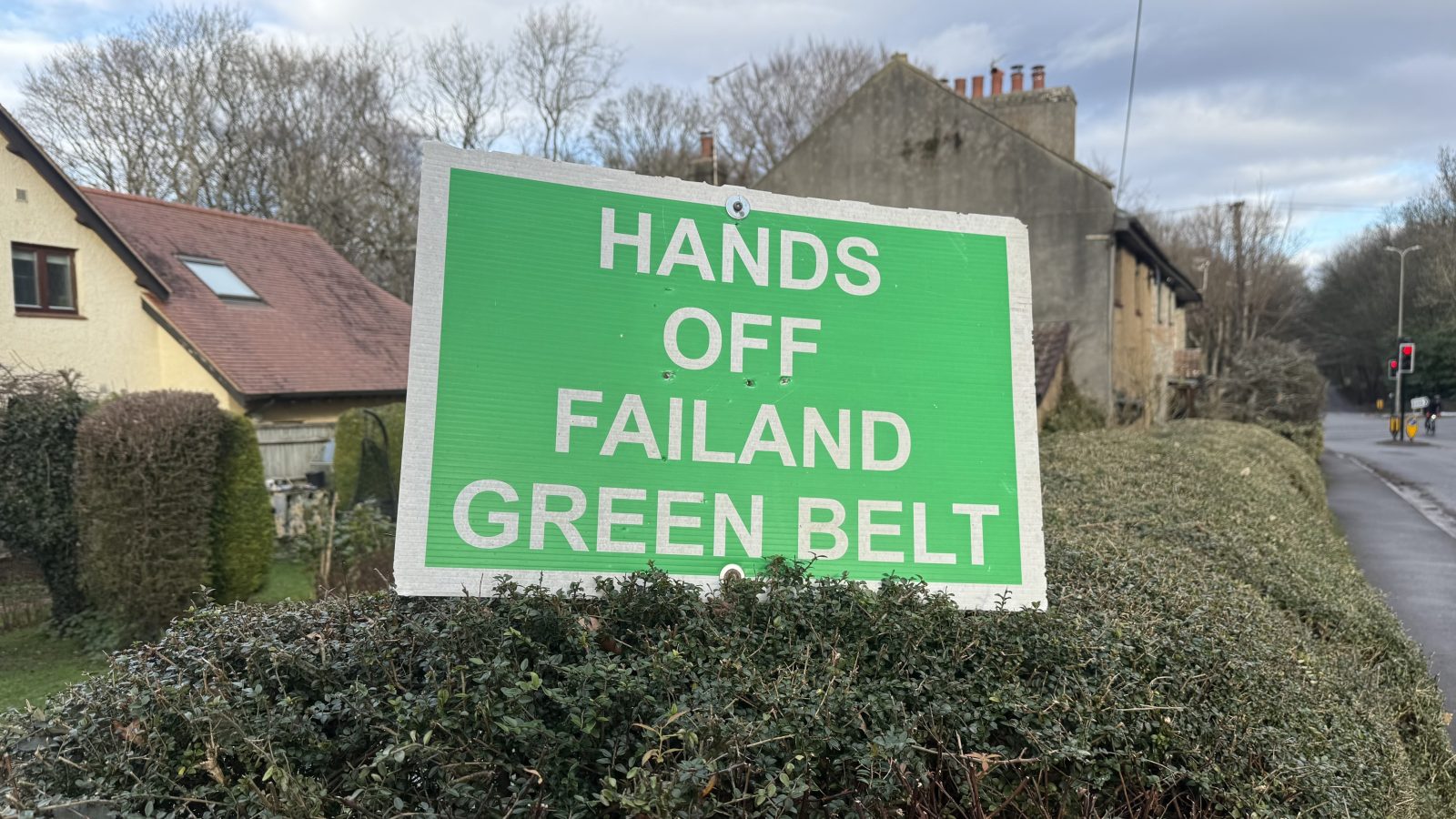
Signs outside many houses share the same message: ‘Hands off Failand green belt’
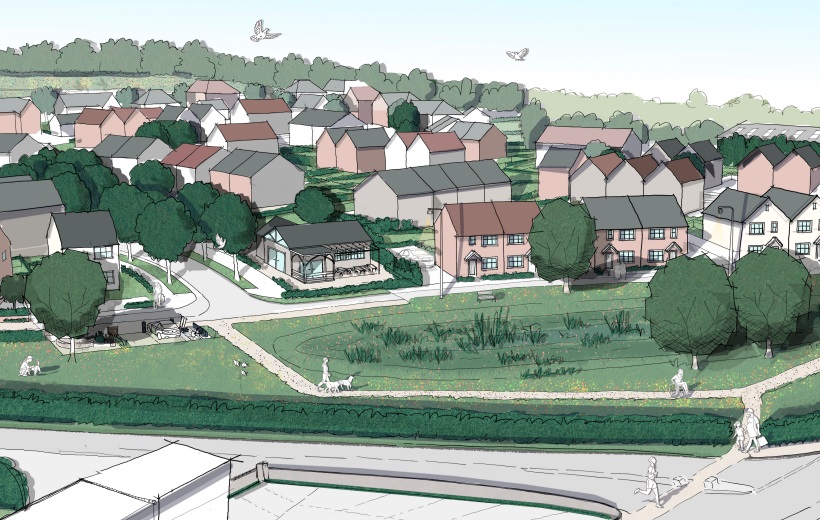
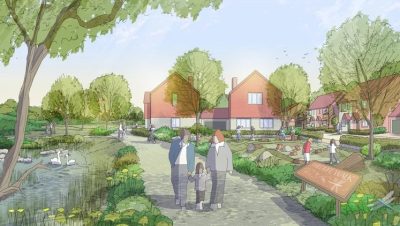
Developers say that Failand Meadows will be “a connected and inclusive neighbourhood that strengthens Failand as a whole” – image: Hill
Hill – the developers behind schemes currently being built at Baltic Wharf on Spike Island and Raleigh Road in Southville – have submitted plans to North Somerset Council to build up to 200 homes and a shop or cafe on a field west of Flax Bourton Road.
In their planning statement, the Hill team said: “This is an opportunity to create a connected and inclusive place at the edge of Failand, one that strengthens the village from within, promotes active travel, and responds meaningfully to its local context and community needs.”
The new homes would be “relatively low density” with a mix of terraces, detached and semi-detached homes of up to two storeys.
There would be trees along all streets and homes would be “simple, traditional building forms”.
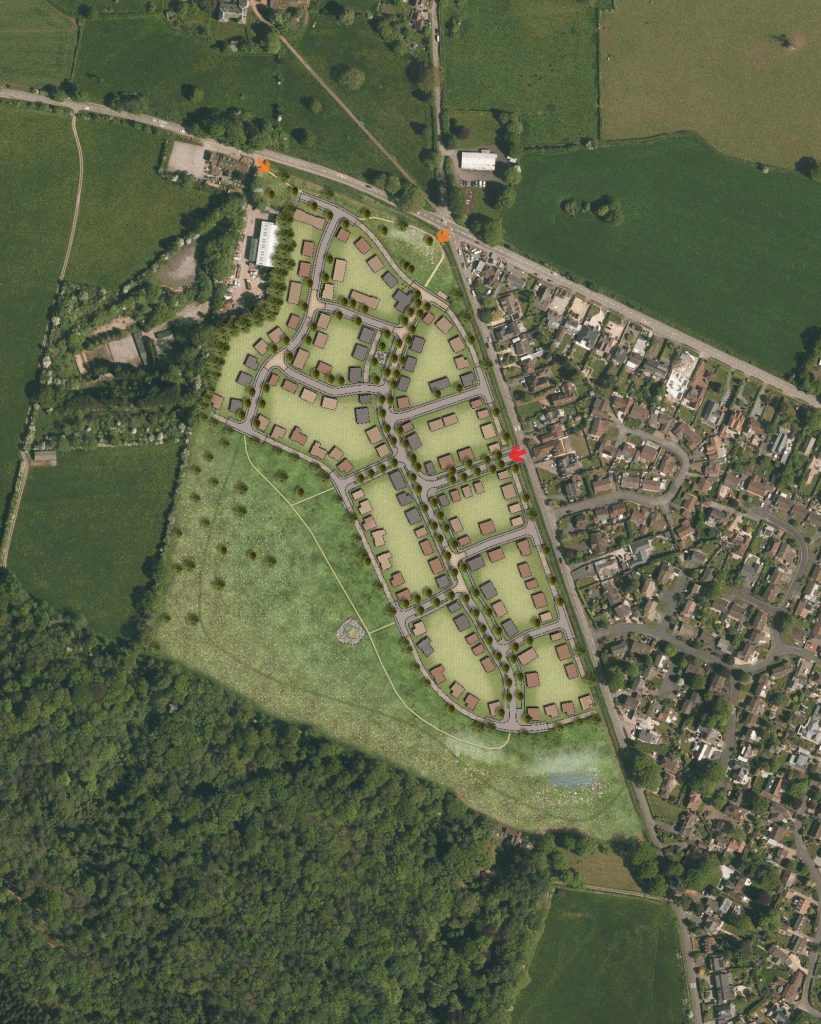
The proposed site for up to 200 new homes is located to the west of Failand, adjacent to but outside of the village boundary – image: Hill
The triangle which today makes up the bulk of Failand was originally the Sixty Acre Plantation, but development around the edges began in the post-war period, with the interior of the ‘Failand Triangle’ beginning to be filled out from the 1970s onwards.
Development has so far not spread beyond the triangle as it is surrounded by green belt land.
As North Somerset attempts to meet a target of building almost 24,000 homes over the next 15 years, some areas are being taken out of the green belt to be allocated for new housing – but this site is not one of them.
But the developers say the site should be considered ‘grey belt’, a term introduced in the Labour government’s planning reforms for lower quality green belt land which can be built on.
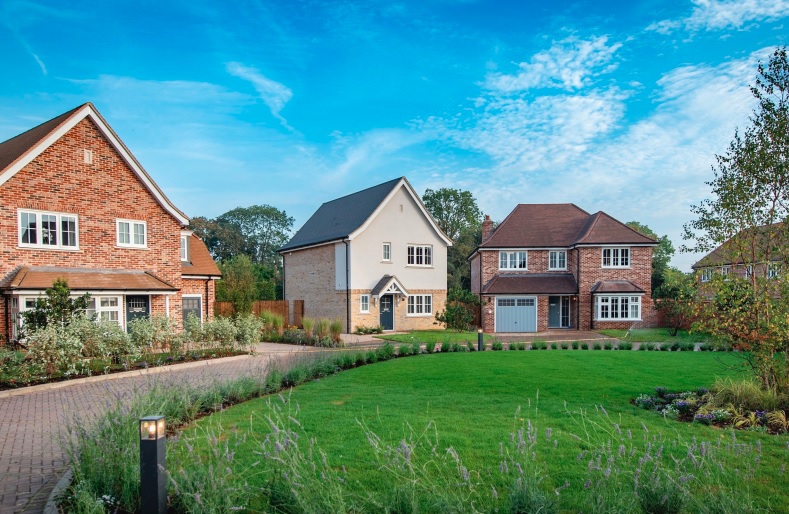
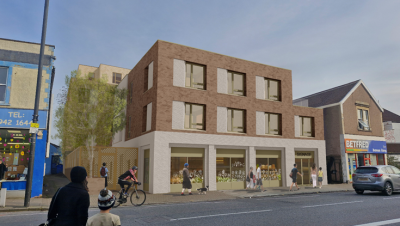
Hill say that a scheme they built in Croxley Green in south west Hertfordshire “demonstrates how contemporary design can be combined with traditional architectural language to deliver a cohesive, high-quality environment, an approach that informs the proposals at Failand Meadows” – photo: Hill
One local lodging an objection to Hill’s plans for Failand Meadows said that calling the site grey belt was “disingenuous”.
They added: “Failand is a rural village with a strong sense of community and a peaceful, village-centred way of life.
“Large-scale development and the commercialisation that comes with it would irreversibly change the heart and identity of our village.
“Once lost, the character and charm that makes Failand so special cannot be regained.”
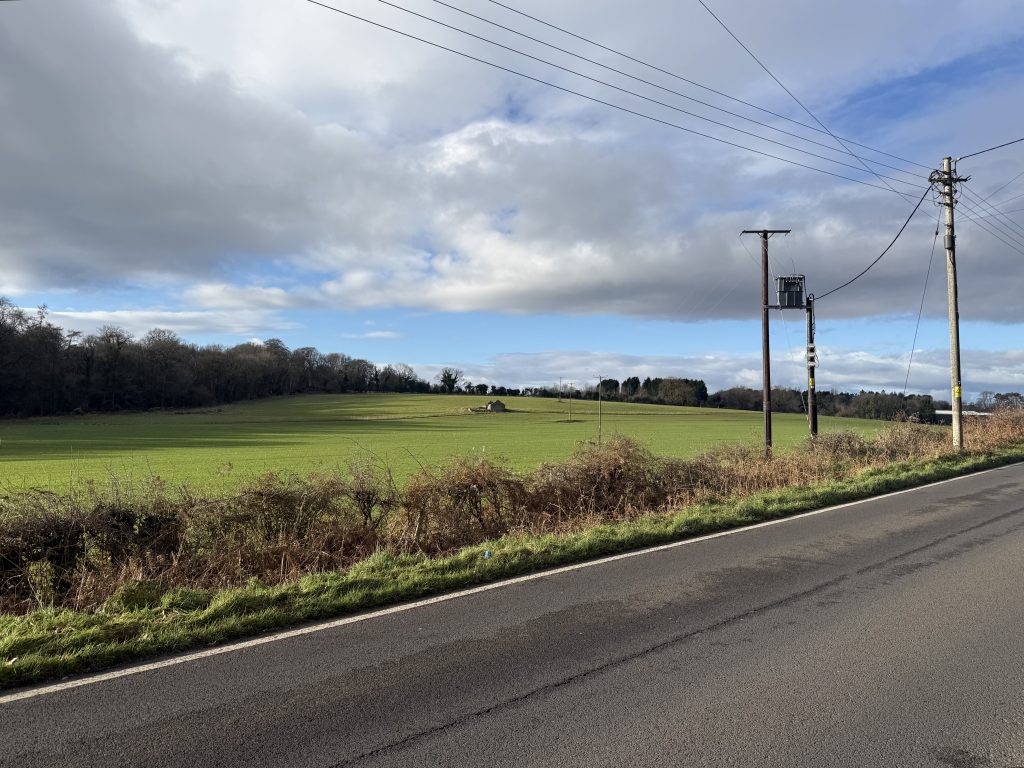
An abandoned building sits in the middle of the field on which up to 200 new houses could be built – photo: Martin Booth
So far, 13 objections have been lodged to the plans for Failand Meadows.
Another warned: “Hill Group is not acting out of altruistic intent as much as they like to dress up their profiteering as sustainable (this has been proven with previous proposals not to be the case) or in someway beneficial to the community.
“There are plenty of grey field sites to develop but they have chosen Failand as it maximises their profit margin at the expense of every resident who has invested their hard work and income into the area to date.
“We see through the blatant waffle and I implore anyone with the power to protect this community to do the same.
“As an organised community we will do everything in our power to hinder this development until it is denied or becomes financially unviable.”
Main photo: Martin Booth
Read next:
 Our newsletters emailed directly to you