Features / Sea Mills
The corner of Bristol home to an important slice of housing history
Sea Mills was one of the housing estates built by the council during a time of housing crisis after the First World War.
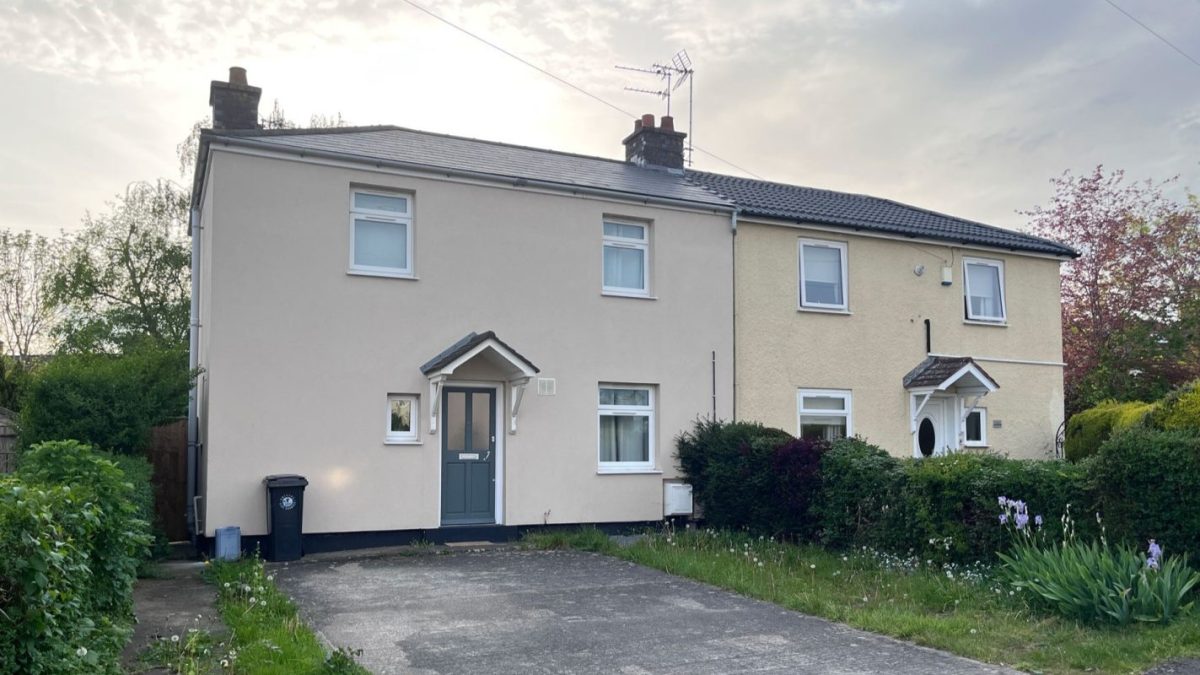
The first 250 homes built were of non-traditional construction, known as ‘Dorloncos’.
They were designed by the Dorman Long & Co who went on to provide the steel for large construction projects like the Sydney Harbour Bridge.
is needed now More than ever
The houses have been much maligned and are today part of the Sea Mills conservation area.
Dorlonco houses are constructed on a steel frame which is built first followed by the roof, allowing much of the remaining work to be completed underneath in the dry.
The walls were then formed using concrete block, wire mesh and render.
The appeal for Bristol City Council in 1920 was that they could be built quickly and without relying on either bricks or skilled bricklayers, both of which were in short supply after the war.
One of the people who knows Dorlonco homes best is Avonmouth & Lawrence Weston councillor Don Alexander, who has lived in one since the 1980s.
“It was cheap, the bank wouldn’t give us a mortgage and told us it was the sort of house we should not buy,” Don says.
At the time, many lenders were wary of non-traditional construction.
But the Dorlonco homes have stood the test of time and banks are now far more familiar with this type of housing.
Don is evangelical about improvements that can be made to them: “The house was cold,” says Don, remembering the property it was like when he first bought it.
“It was a concrete box, with an exposed side, the bathroom walls were always covered in mould.
“It was designed to be heated by coal fires, all day, at a time when coal was cheap.”
The Dorlonco homes still owned by Bristol City Council have since been externally insulated, making them significantly easier to heat.
Don has also upgraded his own home with insulation, solar panels and an air source heat pump.
The insulation made a huge difference right away and the heat pump has been simple and effective, he says.
“It’s very easy to use, the best thing to do is set it and leave it,” Don tells Bristol24/7.
“We have got to get out of the mentality of gas, of coming home, flicking a switch and heating the radiators up until they are too hot to touch.
“Heat pumps produce a more ambient heat.” Don says.
One common criticism of heat pumps is that they are noisy or bulky, but Don says his is barely noticeable.
Installed at the back of the house behind a wooden bench, it can hardly be heard when running.
“There’s no gas in the house at all now, the bills on green electricity are a little higher than it was for gas but energy prices have risen anyway,” Don explains.
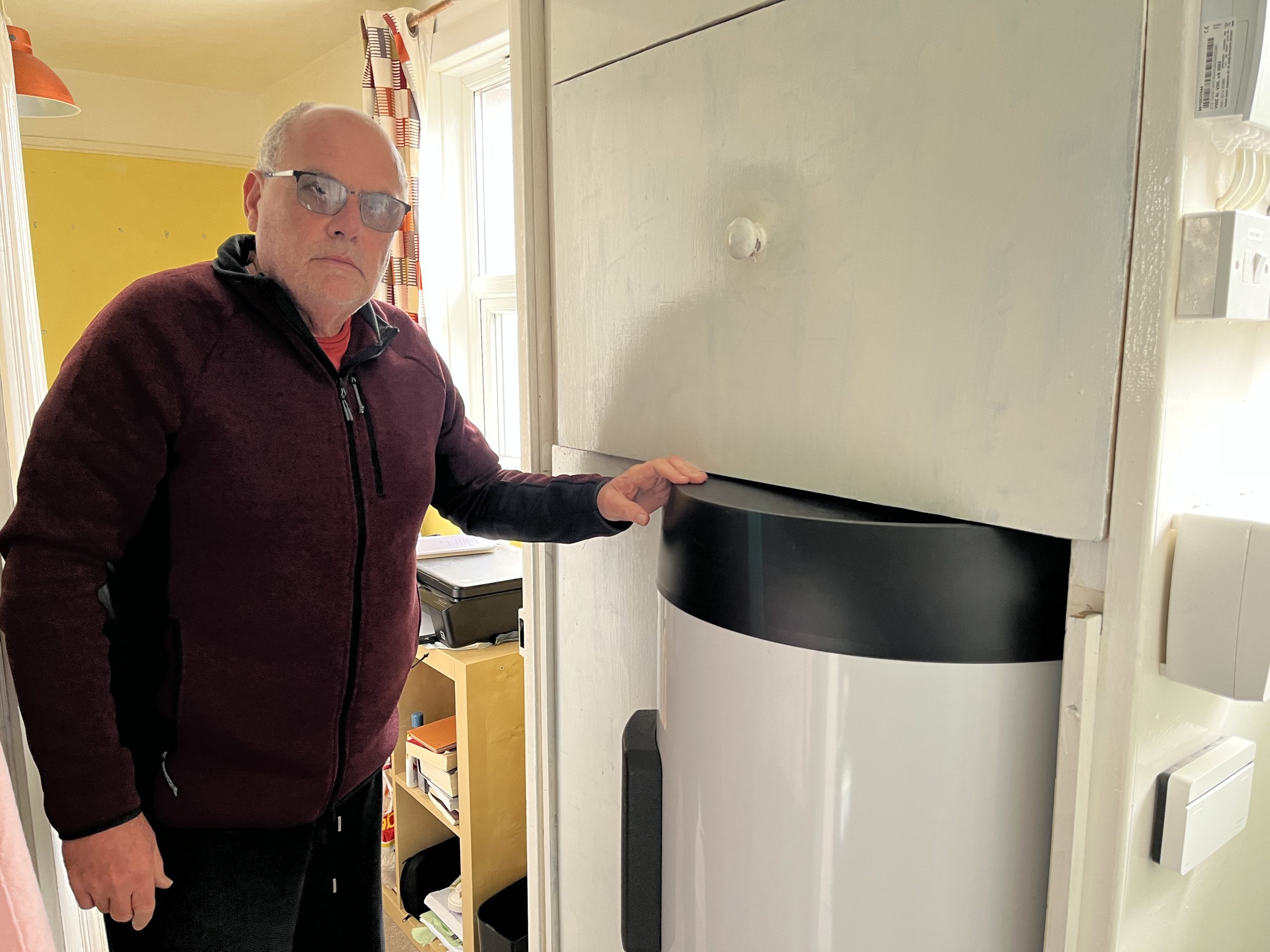
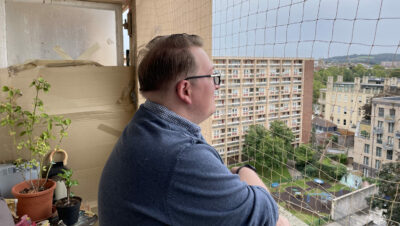
Don Alexander and his family bought their Dorlonco house in the 1980s
In 2025, Don opened his own home as part of the national Green Open Homes project supported locally by Sea Mills and Coombe Dingle Climate Action Group.
The aim was to give interested people the opportunity to see and chat to householders about their real-life experience of making their homes greener.
The group, chaired by fellow Dorlonco home owner Jan Coddington, is currently engaging with UWE Bristol to run workshops about retrofitting.
Some improvements such as external insulation can be complex, and the status of Sea Mills as a conservation area means that some types of work require planning permission.
“We aim to encourage people to be more eco friendly, we hope that working with UWE will help us widen our work,” Jan says.
The group plans to survey residents about what retrofit improvements they most want to learn about before hosting workshops alongside its regular repair cafe events.
Don says he would love to see more residents retrofit older homes, particularly other Dorloncos.
“At the moment there are grants available, so it’s a good time to do it if you are replacing a gas boiler anyway,” he says.
He points people towards organisations including the Centre for Sustainable Energy and Retrofit West for advice on upgrading older properties.
Mary Milton is reporting on Sea Mills as part of Bristol24/7’s Community Reporters programme, aiming to amplify marginalised voices and communities often overlooked by mainstream media. This initiative is funded by our public, Better Business members and a grant from the Nisbets Trust.
All photos: Mary Milton
Read next:
 Our newsletters emailed directly to you