News / Advertising Feature
How 3D Printing is Disrupting the Jewellery Industry
Bespoke jewellery has always been the go-to to mark a special occasion, commemorate an event, or convey sentiment and meaning. But 3D printing is taking jewellery creation and manufacture by storm. We look at some of the ways in which it is shaping the future of jewellery.
Handcrafting jewellery
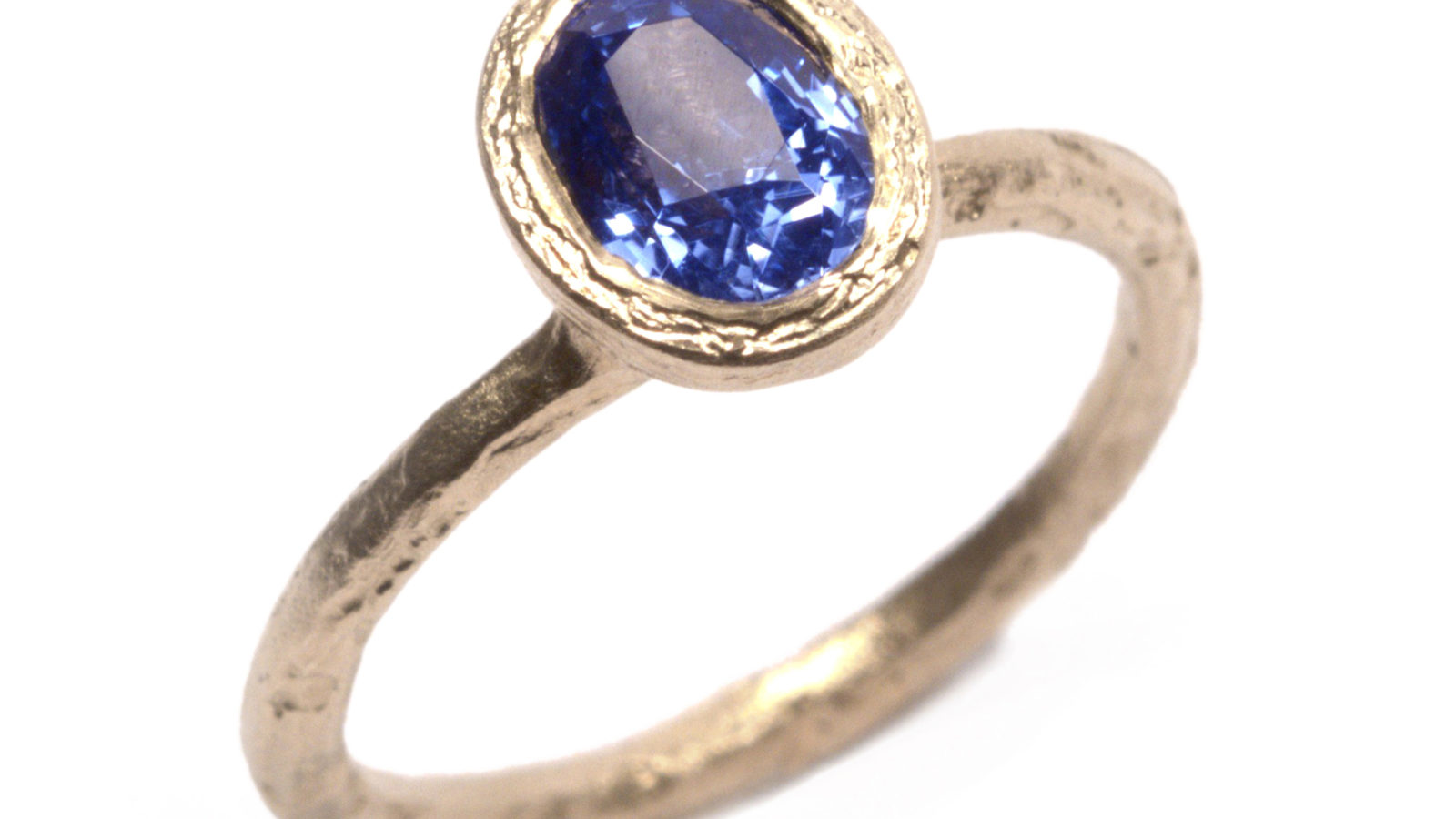
The defining feature of jewellery is its personalisation, with pieces are often handcrafted to make them truly unique. Traditionally, wax is used to shape a piece of jewellery before being cast in a furnace to create a mold which has then has metal poured into it. It’s a process called lost wax carving, or precision casting. However, even with the help of machines that are used to create the basic metal work, embellishing details by hand is still labour intensive and therefore often more expensive.
is needed now More than ever
How 3D printing is changing things
Commonly used to manufacture industrial parts and accessories, plus consumer items like phone cases and toys, 3D printing is now making its mark on jewellery production. An additive form of manufacturing, the technology has the capability to create highly accurate 3D objects direct from a digital file. The digital file is taken from CAD software where designers can create and envisage complex and detailed objects such as necklaces, bracelets, and rings that can be made from plastics or resins.
Benefits of 3D printed jewellery
· Jewellery design is more customisable
Thanks to the intricate geometries that can be achieved, designers have the scope to create customised jewellery for consumers. Although handmade jewellery gives creators the possibility of various designs, there are still limits on how elaborate they can be. SLA (stereolithography) is a form of 3D printing capable of producing a high level of detail quickly and in a range of different colours and materials. Customers can choose between stainless steel as well as precious metals such as gold, silver, bronze, brass and platinum. They can also opt for different finishings thanks to SLA, plus Direct Laser Sintering (DMLS) can also be used to create steel and aluminium alloys.
· Customers gain a unique experience
The experience of buying jewellery has also been disrupted with 3D printing with customers having much more control over the design of their jewellery. Plus, once a design is chosen by a customer, they can have their prototype ready to try on in just a few hours and if any slight changes are needed, these can be applied digitally.
· Faster production times
Also, the process from design to production is a lot faster with 3D printing. For a final piece of jewellery to be produced, it can often take only a week or two instead of several weeks before customers can see their unique ideas come to life. Traditionally, the process takes several weeks, and with some prestigious jewellers, several months. 3D printing has dramatically shortened this time. It’s perfectly possible for jewellers to design and print, cast and finish rings in a a few weeks, leading to improved delivery times and more satisfied customers.
· New opportunities for businesses and manufacturers
Thanks to the demand for personalised pieces, many small business owners and startups are taking advantage of 3D printing and some manufacturers of jewellery are also looking at how the technology can help them improve production times. Because 3D printing allows for the creation of prototypes, manufacturers can assess the quality and features of an item of jewellery before it goes into larger scale production. This helps improve time and prevents high cost and material waste. Prototypes also allow for greater experimentation with materials and features, and thanks to the high quality of 3D printing, there is no need for the post-processing stage because the finish is already high quality.
As 3D printing continues to progress across all sectors, its accessibility will only become wider, the cost of materials lower and technological capabilities more enhanced, paving the way for a new era of jewellery design.
 Our newsletters emailed directly to you