Directory / Advertising Feature
The rise of cashless venues across Bristol
Across Bristol, a quiet shift is unfolding at the tills. Independent cafés, music venues, food halls and even larger event spaces are increasingly choosing to stop accepting cash altogether. For many customers, the change barely registers. A tap of a card or phone has become second nature in daily city life.
The move is less about making headlines and more about keeping pace. Payment terminals are cheaper and faster than handling notes and coins, and queues move more smoothly during busy periods. In a city known for its independent spirit and packed weekends, shaving seconds off each transaction can matter.
Yet the trend also raises broader questions. As cash fades from counters, how are residents adapting, and who risks being left behind?
is needed now More than ever
Why cashless is spreading locally
For Bristol businesses, the appeal of going cashless is largely practical. Handling cash takes time, creates security concerns and adds banking costs at the end of the day. Digital payments, by contrast, offer instant records and fewer risks behind the bar or counter.
The wider national picture reinforces that logic. Cash accounted for just 9 per cent of all payments in the UK in 2024, down from 12 per cent the year before, according to reporting based on UK Finance data in The Times. Against that backdrop, remaining cash-only can feel increasingly out of step.
Hospitality has been especially quick to adapt. Many venues now assume customers will pay digitally, particularly at peak times or for higher-value purchases like tickets and drinks rounds. Over time, those assumptions turn into policy, and cash quietly disappears from the options.
How residents are changing habits
For many Bristolians, the shift aligns with how they already live. Phones and smartwatches double as wallets, and splitting a bill or buying a coffee often happens without touching a physical card. That familiarity makes cashless venues feel convenient rather than restrictive.
Those habits extend beyond the high street. Digital payment confidence underpins everything from streaming subscriptions to leisure spending online, where platforms are built around card and mobile transactions. In that context, guides that help people navigate online services, such as when residents explore entertainment options and explore GamblingInsider rankings for the UK as part of understanding the digital landscape, reflect a broader comfort with cashless systems. The point is less about the activity itself and more about how normalised digital payments have become.
National data backs this up. In 2023, 38 per cent of all UK payments were contactless, and one third of adults used mobile contactless payments at least once a month, according to UK Finance. In everyday terms, tapping to pay is no longer a novelty but a habit.
Who benefits and who struggles
The benefits of cashless venues are clear for some groups. Younger residents and those with reliable banking access often enjoy faster service and fewer awkward moments at the till. Businesses gain clearer data on sales patterns, which can help with staffing and stock decisions.
However, the same shift can be challenging for others. Not everyone has easy access to cards or smartphones, and some still rely on cash to manage tight budgets. In parts of Bristol, that reliance is compounded by dwindling infrastructure.
A Policy Bristol briefing highlights that around a quarter of ATMs in the city have no free alternative within 250 metres, raising concerns about access to cash in certain neighbourhoods, as outlined in its analysis of financial inclusion risks. When venues stop accepting cash, those gaps become more visible.
Balancing convenience with accessibility
The real challenge for Bristol is finding a balance. Cashless systems bring speed and simplicity, but a city built on diversity needs to consider who might be excluded along the way. Some venues are experimenting with hybrid approaches, keeping cash as a backup even if card is preferred.
For residents, awareness matters. Knowing which spaces are cashless can help avoid awkward surprises, especially at events or smaller venues. For businesses, clear signage and flexible thinking can soften the edges of change.
Ultimately, the rise of cashless venues says as much about modern city life as it does about payments. Bristol is moving with the digital tide, but the conversation now is about how to do so without leaving parts of the community standing at the counter, wallet in hand.
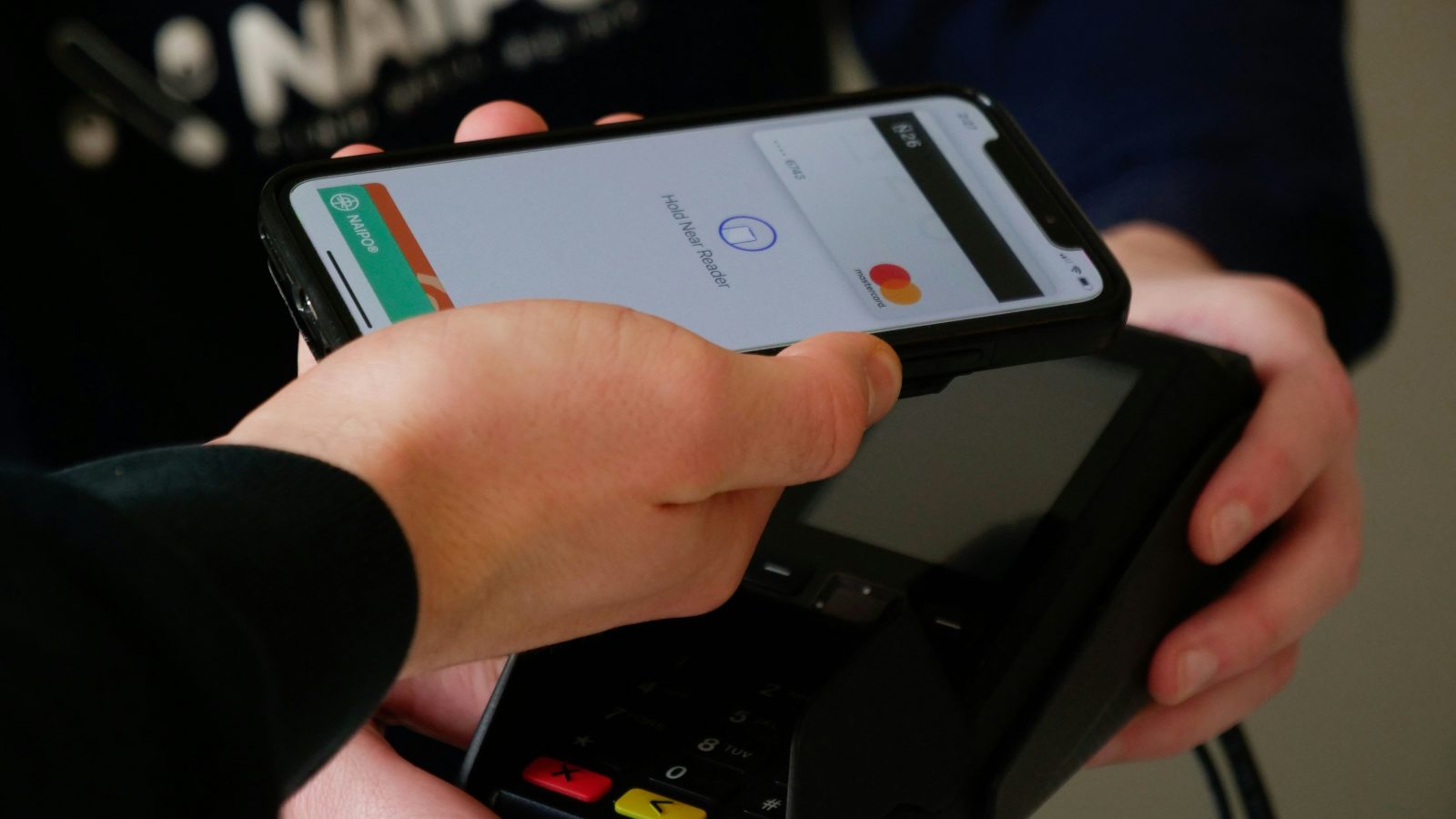
Main image by naipo.de on Unsplash
 Our newsletters emailed directly to you