Directory / Advertising Feature
The Enduring Appeal of Blackjack
My grandmother taught me pontoon at her kitchen table with a box of matches for chips, and she played it like the rent depended on the outcome. Twist, stick, bust. It took me years to work out that the game she taught me was blackjack wearing its British name, and that our little kitchen ritual was one of the oldest surviving card games on earth.
And it really has survived, which is stranger than it sounds. Hundreds of card games have come and gone over the centuries. Whist ruled polite society for a hundred years and now lives in retirement homes. Blackjack, meanwhile, is still sitting on every gaming floor on every continent, still pulling in new players. There’s a reason for that, and it isn’t nostalgia.
An Old Game That Refuses to Retire
The paper trail starts in 18th-century France, where the game turns up as vingt-un, though something suspiciously like it appears in Cervantes a century earlier, so the French may only have perfected someone else’s idea. The American name has a better story attached: gambling houses supposedly paid a bonus for an ace of spades dealt with a black jack. It’s a lovely tale. Nobody has ever produced a shred of documentary evidence for it, as Britannica’s history of the game politely points out, but it stuck anyway, the way good stories do.
Cards have a way of picking up local colour like that. A Bristol artist recently turned her paintings into a deck of playing cards, which strikes me as exactly the right instinct. The 52-card deck is one of the most durable pieces of entertainment technology we own. It’ll carry almost anything you print on it, and almost any century you play it in.
The Sixty-Year-Old Secret
Here’s where blackjack breaks from every other game in the building. In the early 1960s a young mathematician named Edward Thorp fed the game into an IBM computer during his time at MIT and came out with something genuinely heretical: proof that memory and discipline could grind the house edge down. His book Beat the Dealer sold around 700,000 copies, and casinos have been fiddling nervously with their shuffling procedures ever since. Play proper basic strategy and the gap between you and the house shrinks to under one per cent. No other casino game comes close.
I’ll admit that’s the part I love. Roulette asks nothing of you. Slots ask even less. Blackjack looks you in the eye and asks whether you actually know what you’re doing, about twenty times an hour. It attracts a particular sort of person because of it, the sort who would rather think than hope.
From the Felt to the Phone
The game’s latest migration has been onto screens, and honestly it has made the trip better than most of its rivals. Live-dealer tables now stream a real human and a real shoe to your phone, and a decent online blackjack experience keeps the decisions where they’ve always belonged, with the player. Strategy charts open on the side if you want it, pairs split in a tap, every hand played at whatever speed you think at rather than the speed a crowded table demands. My grandmother would have been scandalised by the whole idea, and then, I strongly suspect, quietly excelled at it.
Worth Learning Properly
The old line about blackjack is that it takes five minutes to learn and a lifetime to master, and unusually for an old line, it’s true. That gradient is the whole appeal, and it’s why the game keeps recruiting from every generation that stumbles onto it.
Two honest footnotes, though. The house keeps its edge no matter how thin you play it down, so nobody should ever confuse the game with a plan. And it’s at its absolute best when the stakes are pocket-sized, the budget was set before you sat down, and stopping is as easy as standing up. Matchsticks optional, but my grandmother would recommend them.
is needed now More than ever
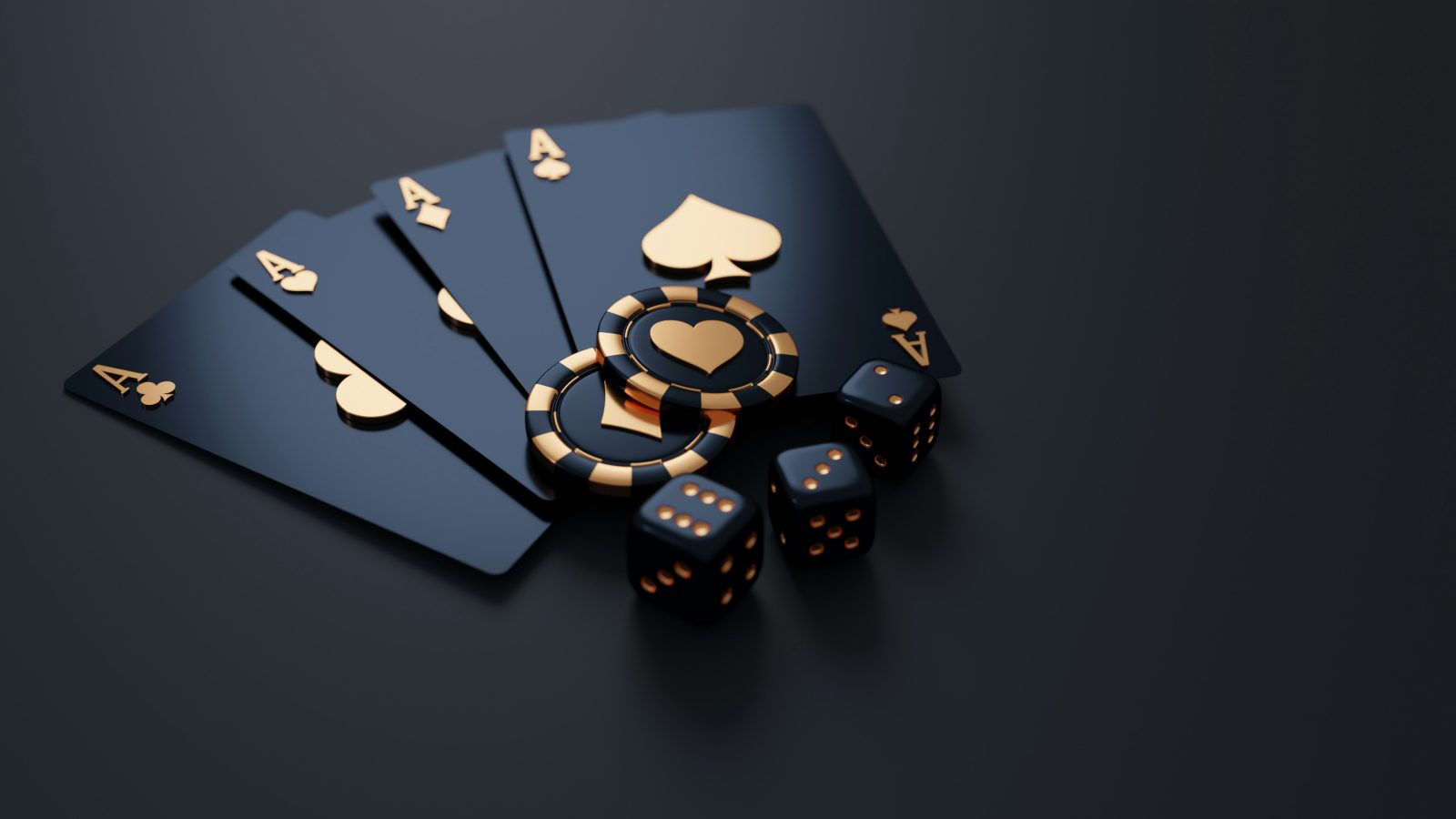
Main image by Eyestetix Studio on Unsplash
 Our newsletters emailed directly to you