Directory / Advertising Feature
How Multiplayer Games Became the New Social Networks
From Matchmaking to Meetups
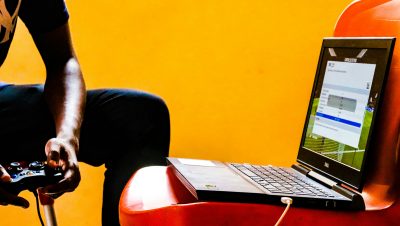
There was a time when video games were seen as an escape — a solitary screen-lit hobby. Fast forward to today, and multiplayer gaming has become a digital campfire. It’s not just about winning matches or topping leaderboards anymore; it’s about catching up with friends, meeting new people, and forming communities that stretch far beyond the game lobby.
Modern multiplayer titles are no longer just games — they’re platforms. Social spaces dressed up in camo skins, rhythm games, and fantasy armor. Whether you’re playing a casual 2v2 or jumping into a full-on battle royale, what keeps people coming back isn’t just the gameplay — it’s the people they play with.
Avatars With Attitude
Gaming today is identity-driven. Players want to express themselves — not just through gameplay, but through how they look while doing it. That’s why customization features have exploded in popularity. Take something like COD Skins. They’re more than visual flair; they’re status symbols, inside jokes, and sometimes even nostalgic nods to favourite moments in pop culture or past seasons.
In a way, equipping a skin is the digital equivalent of choosing your outfit before heading to a party. It sets the tone for the evening and shows people who you are — or who you want to be—for that round. As personalization grows more sophisticated, players are using these options as a kind of shorthand, making meaningful connections before they’ve said a word.
The Real-Time Hangout
Thanks to voice chat, live emotes, and persistent lobbies, gaming has become the new Friday night hangout. You log in not just to play, but to talk about your day, trade memes, and laugh over shared fails. Games like Fortnite, GTA Online, and Warzone function as digital third places — spaces outside of home or work where people go to simply be together.
And unlike social media, which often feels passive or performative, gaming is collaborative. You’re not just scrolling — you’re solving puzzles together, clutching the final round, or building something in tandem. These moments foster stronger bonds than a like or a retweet ever could.
is needed now More than ever
Communities Without Borders
One of the most powerful aspects of multiplayer gaming is how effortlessly it erases physical boundaries. Your best teammate might live thousands of kilometers away. Your closest gaming buddy might be someone you’ve never met in person. Games create tight-knit circles of strangers who soon become familiar voices — maybe even real-world friends.
Discord servers, Reddit forums, and TikTok fan content keep these relationships alive outside the match. It’s all part of a larger digital ecosystem where the game is just the start of a broader connection.
More Than a Game — It’s a Lifestyle
Multiplayer gaming’s shift into social territory isn’t just changing how we play — it’s influencing how we live. Events like in-game concerts, exclusive skin drops, and community tournaments now sit alongside traditional social activities. It’s common to see players plan their schedules around game events the same way they would for sports matches or nights out.
And behind the scenes, digital marketplaces like Eneba offering deals on all things digital are quietly powering this new world. Whether it’s topping up your account or grabbing that one skin you’ve been eyeing all season, they’re making sure your social-gaming life runs without a hitch.
So next time someone asks where the party is? It might just be happening on your console.
Main image by TRG on Unsplash
 Our newsletters emailed directly to you