Music / Review
Review: Avon Concordia, Cotham Parish Church – ‘A musical kaleidoscope of rare beauty’
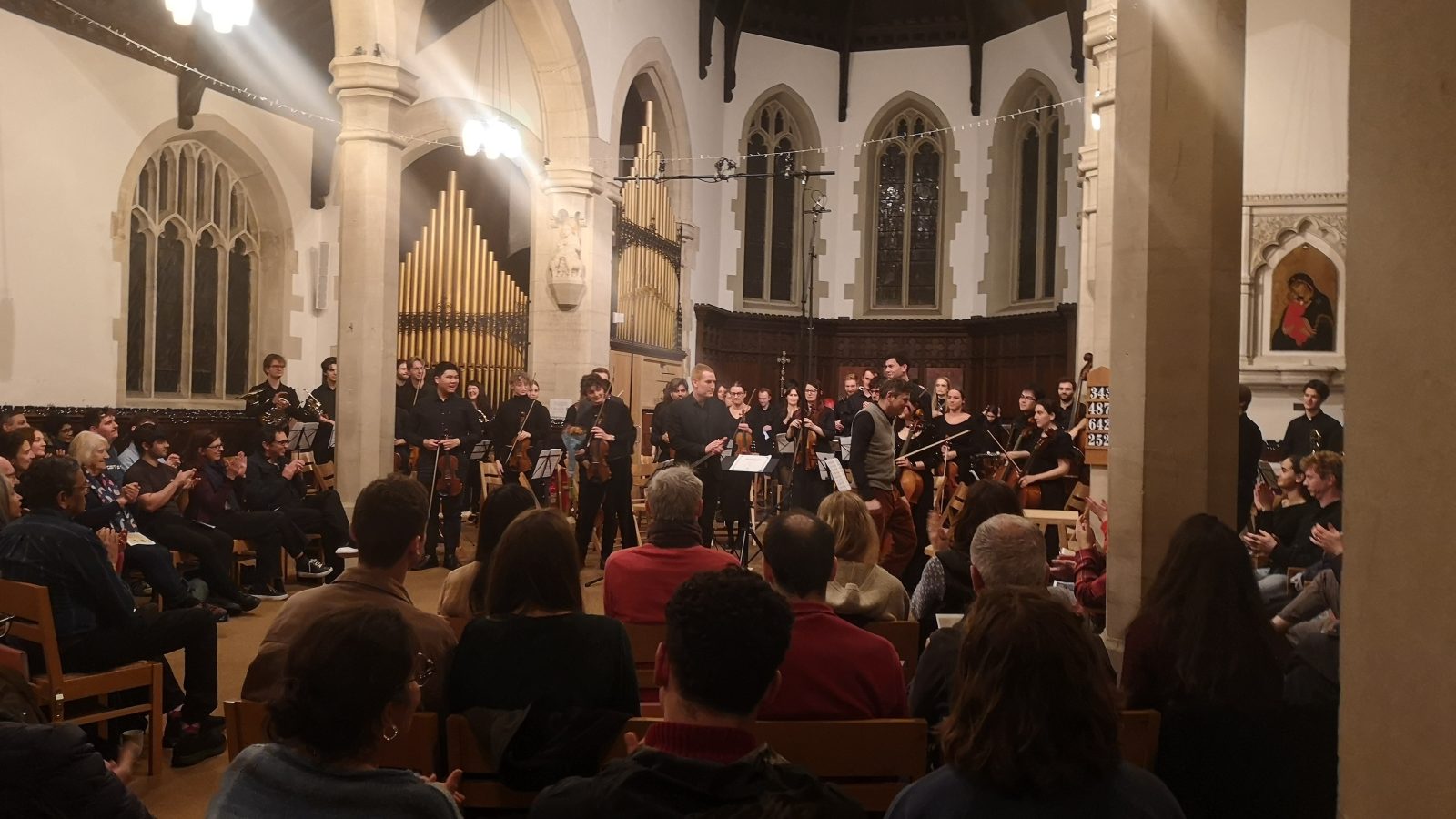
The Bristol-based orchestra Avon Concordia returned firing on all cylinders for its first concert of the calendar year, taking the audience on a musical odyssey through Romanticism, Impressionism and the dawn of atonality.
Cotham Parish Church, with its superb acoustics, was the perfect setting for a programme that included the world premiere of a symphony and the public debut of a rising star in Bristol’s burgeoning classical music scene.
The ensemble, led by conductor Caleb Kernaghan, tackled a seldom-performed musical gem in Alexander Scriabin’s Piano Concerto in F-sharp minor, alongside the world premiere of Symphony in Two Movements by composer and the University of Bristol alumnus Richard Thomas Jones.
is needed now More than ever
The programme was bookended by two orchestral delights: a rediscovered work by Samuel Coleridge-Taylor and three suites from ever-popular Slavonic Dances by Antonín Dvořák.
View this post on Instagram
The Russian composer Alexander Scriabin was a composer extraordinaire who saw tones in colours – a visionary, mystic and alchemist all in one. There are strong Romantic idioms alongside chromatic, proto-atonal tendencies, hinting in prophetic fashion at the shape of things to come.
Shayna D’Silva, vice-chancellor’s music scholar at the University of Bristol, previously studied piano, violin and conducting at the Guildhall School of Music and Drama Junior Department with renowned teachers such as Scott Wilson and Katarzyna Borowiak.
Winner of the Junior Guildhall Piano Prize in 2022, D’Silva tackled this leviathan of the repertoire for her public debut – and did she not excel, leading the audience through an adrenaline-charged, high-octane musical rollercoaster?
The opening movement was bold and brilliant, full of gusto, with staccato and cascading arpeggio passages executed with ease and virtuosity.
What a contrast, then, in the second movement – lush in Romantic idiom and harking at times to the slow movement of Frédéric Chopin’s Piano Concerto No. 2. It was silky, luscious and beautifully judged, never veering into self-indulgence. Its silver cascade of sound filled the space.
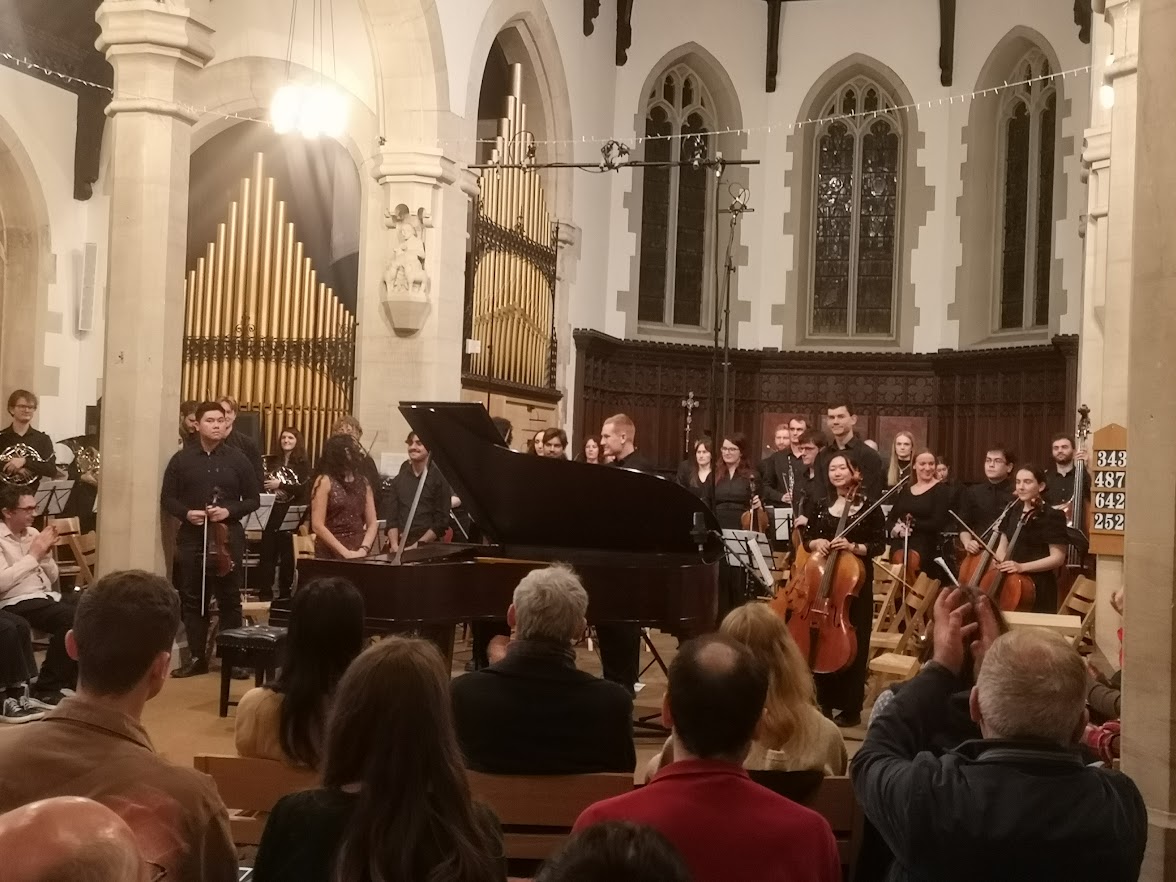
Shayna D’Silva shone in her public debut with a stirring rendition of Scriabin’s Piano Concerto in F-sharp minor – photo: Milan Perera
Just as impressive was how sensitively the orchestra, led by Kernaghan, supported D’Silva with nuance and restraint, never drowning the soloist but creating the perfect synergy.
The third movement was a canvas for D’Silva’s dazzling virtuosity, passage after passage dispatched with alarming ease. The conversation between the woodwind – led by an eloquent oboe line – and piano was a thing of real beauty, with moments of delicate intimacy shining through the movement’s brilliance.
After the interval it was time for the world premiere of Richard Jones’s Symphony in Two Movements. It is fair to say that Jones is a polymath with a capacious mind: a career in television, as well as work as a teacher, woodworker, cartographer and problem-solver for sustainable transport links.
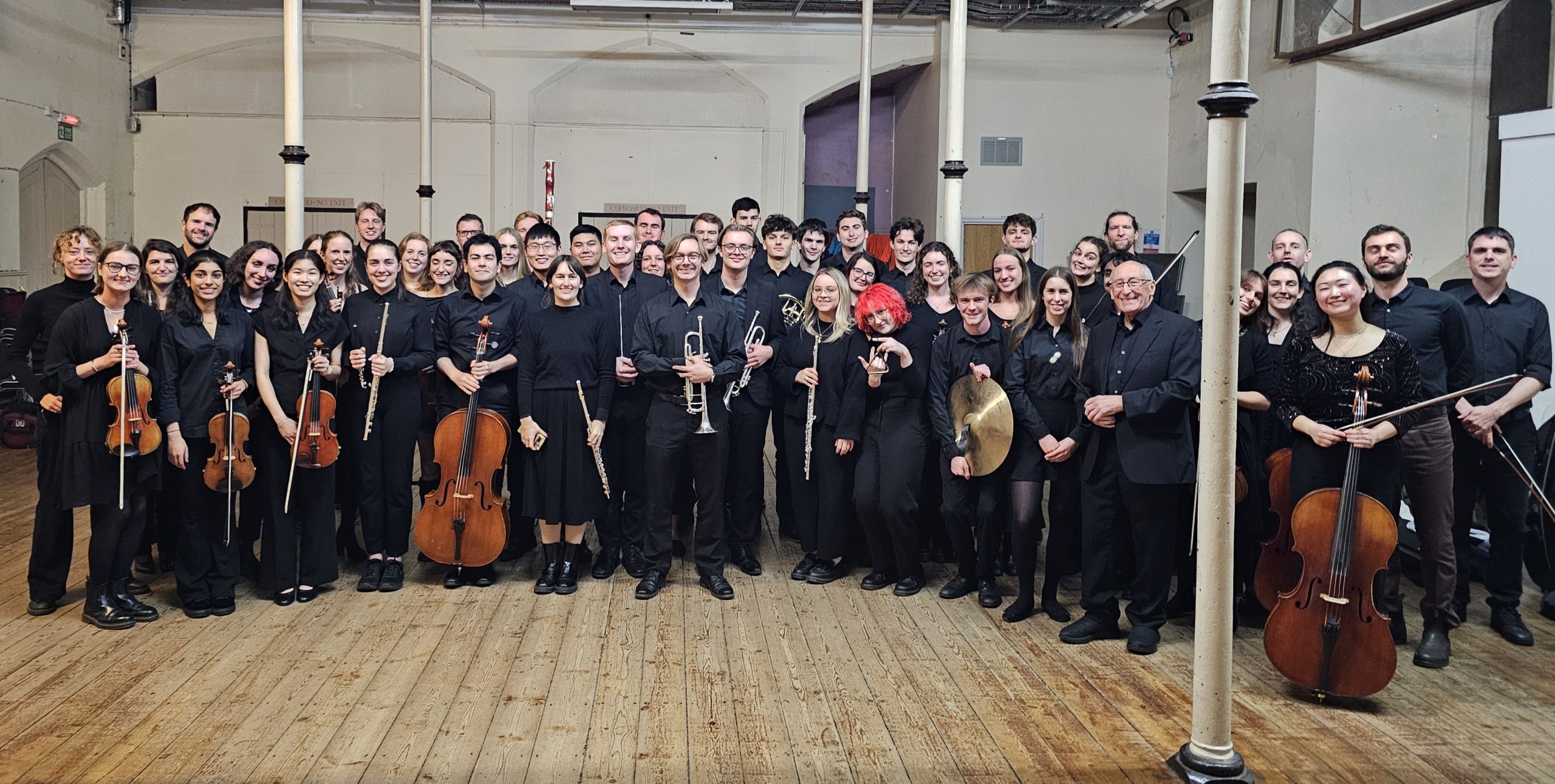
Avon Concordia, founded in 2024, is going from strength to strength under the leadership of Caleb Kernaghan – photo: Avon Concordia
He previously studied music at King’s College Cambridge, but only enrolled at the University of Bristol to complete his PhD after becoming a father. Composition is perhaps his violon d’Ingres, but did he not give the packed audience plenty to talk about with this cornucopia of symphonic delights?
It had everything: clapping wooden planks, glockenspiel, rumbling brass and ethereal strings – the only thing lacking was a kitchen sink.
It is a delightful composition that amalgamates multiple contrasting elements. Imagine the love child of La Mer and The Rite of Spring – a work of colour, rhythmic bite and atmospheric sweep that kept the audience rapt throughout.
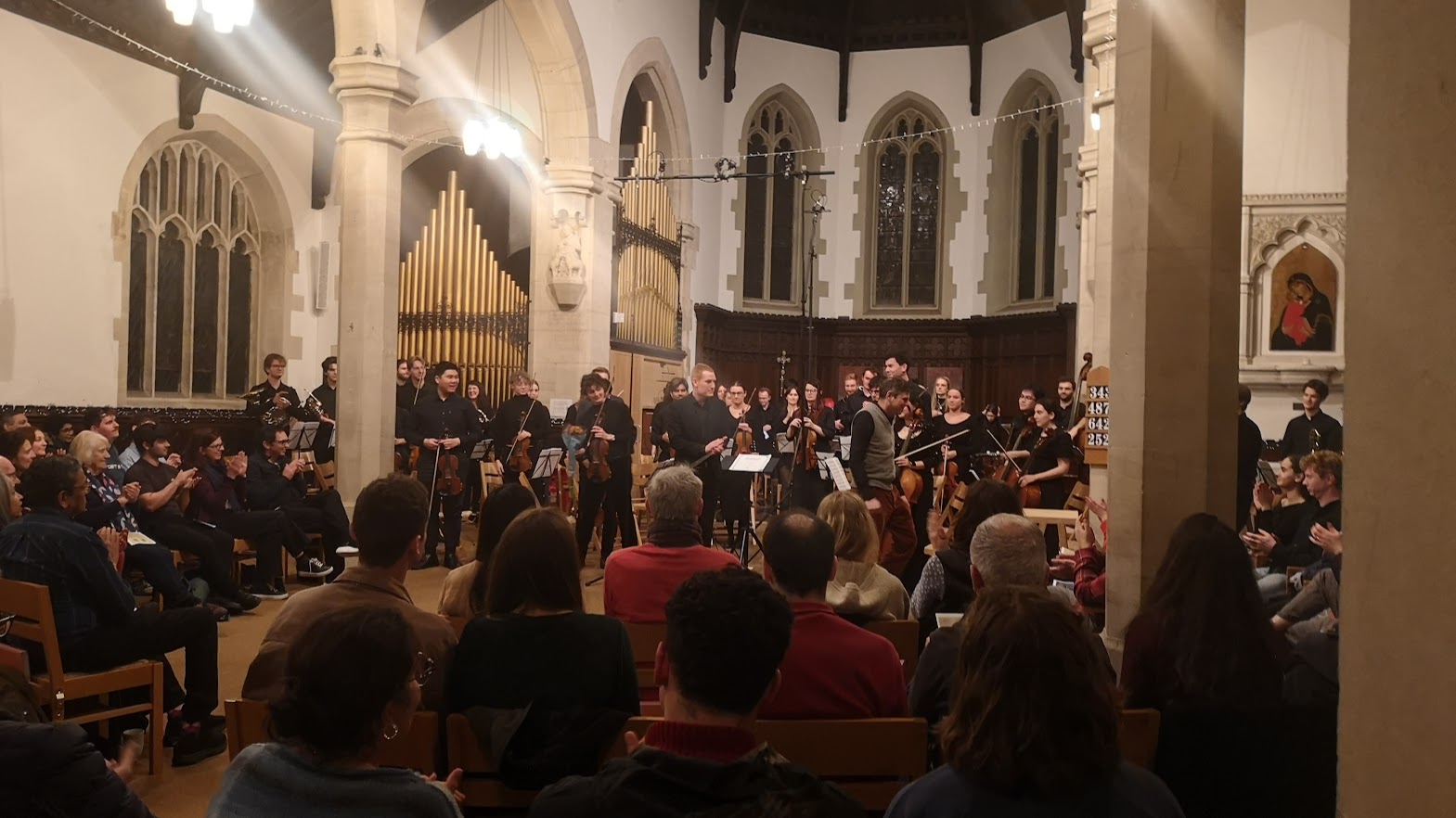
The programme included the world premiere of Symphony in Two Movements by composer and Bristol alumni Richard Thomas Jones – photo: Milan Perera
It was a journey through atonality, chromatic dissonance and sweeping Romanticism, at times recalling the emotional breadth of Rachmaninoff. The orchestra rendered it taut and refined.
Music may be a miracle, but music making certainly is not – it is the gruelling schedule of practice, the relentless pursuit of perfection and an unwavering commitment to artistic honesty, where individual passages are practiced till fingers bleed. The ensemble was a well-oiled juggernaut, going from strength to strength under Kernaghan’s direction.
The evening was rounded off with three dances from Antonín Dvořák’s Slavonic Dances, each down-bow like the pop of a champagne cork, brimming with the joviality of a summer gathering and gently nodding to the first inklings of spring on the horizon.
Main photo: Milan Perera
Read next:
 Our newsletters emailed directly to you