Music / Get To Know
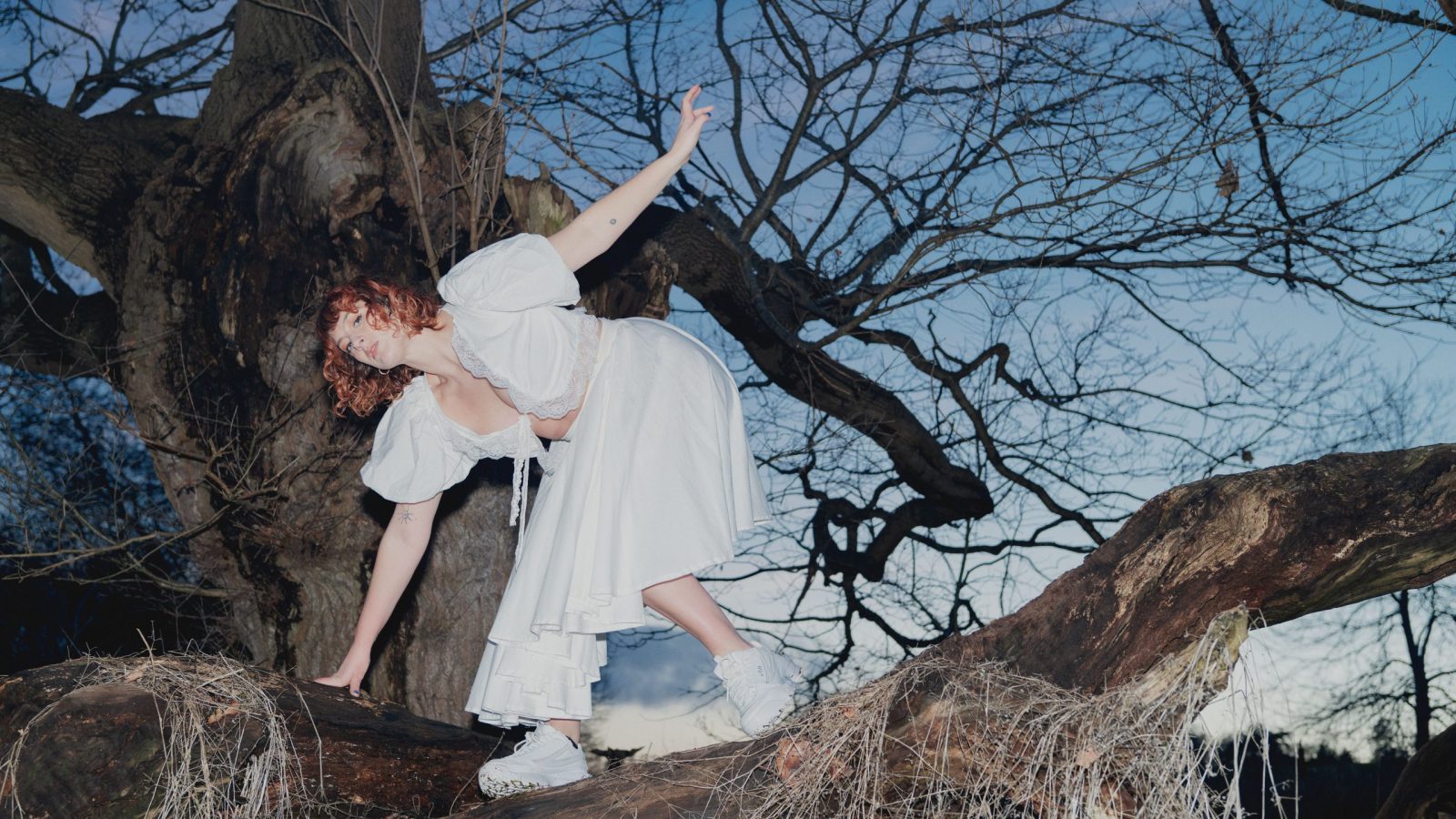
Get to Know: Emily Magpie
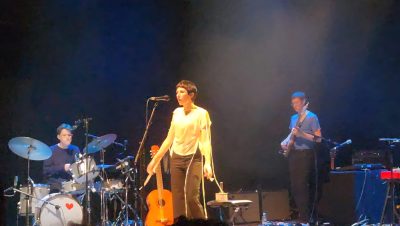
It’s a sunny day and, back from taking the dog for a walk, ‘weird witchy bedroom pop maker’ Emily Magpie is in the midst of last minute preparations for her album launch at the Beacon.
It’s fitting that the gig falls around Solstice time as the artist, who landed in Bristol nearly a decade ago after growing up in Cornwall and a stint in London, has developed an obsession with folklore that has formed the core of this latest release, Howl.
Each of the record’s tracks is a traditional folk song or idea, reimagined from her own perspective and for today’s world; using old myths and rituals “less as historical subjects and more as ways of thinking through present-day questions around identity, beauty, desire, memory and transformation”.
is needed now More than ever
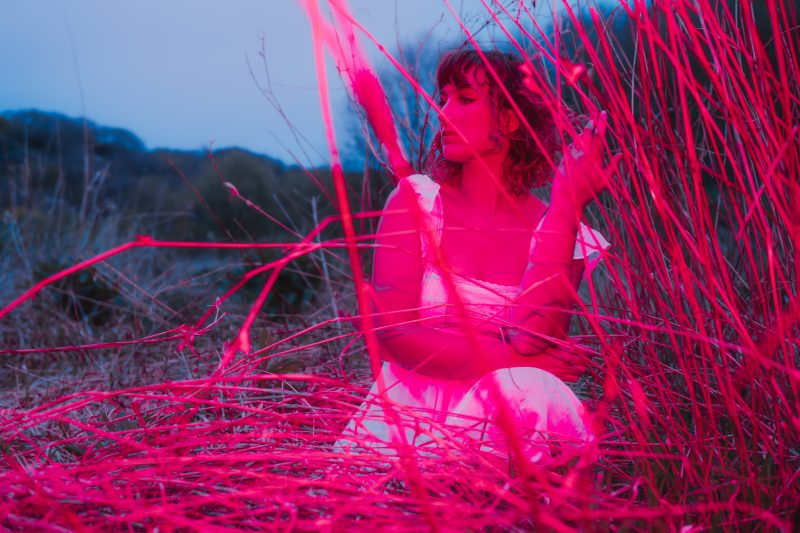
Emily Magpie’s music has been championed by Stuart Maconie’s Freak Zone and Gideon Coe on BBC6 Music and Apple Music Arthouse
It’s a pleasingly meta concept, she explains, as with these reinventions she is embracing practices of oral storytelling: hearing the tale, finding her own interpretation, retelling it in a new way.
“The stories we hear now, the versions that get written down – we’ll never know what the original was,” she says. “I like the idea of picking them up and thinking ‘how would I tell it now?’ I can change it according to what I want to say and how I want to slant it.”
She gives an example from the album: “The Changeling comes from an old Irish narrative. People would say a child or wife had been swapped by the fairies and would leave them by a river. There was a lot of poverty in Ireland and the child perhaps had special needs so the family couldn’t afford to support them, or a woman perhaps was just a wife the man didn’t want anymore! So they were abandoned and a story made it easier to do it.
“I found the idea of being ‘othered’ interesting. For women in society now there’s a lot of pressure to be young, pretty and so on; I like the idea of choosing to be ‘other’ and asking what happens if you don’t comply to those rules. The song explores this concept.”
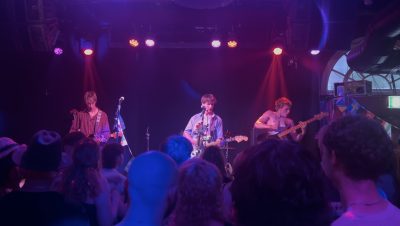
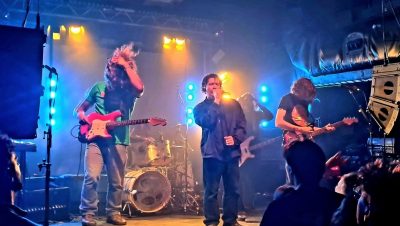
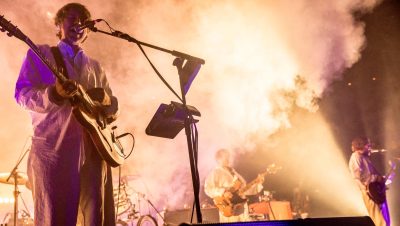
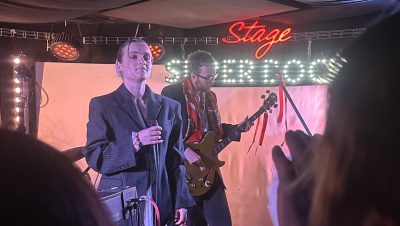
She was delighted that the album tour also “accidentally” mirrored the storytelling tradition, with the band performing music that had not yet been heard by audiences and the gigs becoming “a conversation” as people responded to the song’s themes in real time.
After the set, she says, crowd members would tell her myths and legends from their local area: “We were collecting more bits of folklore as we went. We were sharing our songs, then they were sharing their stories with us. It was really interesting.”
It’s a theme that clearly resonates, probably in part due to the recent revival of interest in folk traditions that has seen an uptick in Morris dancing, attendance at pagan gatherings and festivals like NeoAncients.
Emily admits to being “swept up” in the wave, her own interest being sparked particularly by Blindboy: “He speaks a lot about Irish folklore. What really hooked me in was the idea that folklore can tell us about the history of a place, or about beliefs people had at the time. The oral tradition often outlives the written word so we can find things out about our history that we have no other way of knowing.
“Storytelling has been such a part of our history as humans, and now the stories that are fed to us are news or celebrity gossip. What is that doing compared to traditional narratives? And comparing to when these stories were first told – is there stuff that’s still relevant for now? How would we tell our stories if we wrote folk now?”
View this post on Instagram
Rather than musicians or scenes, it is Bristol’s environmental artists and activists that Emily cites as inspirations.
Based near Troopers Hill in east Bristol, she feels an affinity with the river there which she visits “almost every day” and which “definitely feeds into her work”, inspiring a creative collaboration with poet and river wife, Meg Avon, whose words also feature on the album.
Storyteller Corinne Harragin, who she worked on the podcast Storying the Avon with, is another influence, her live show Troubled Waters with its collection of old stories about water and new questioning of environmental issues particularly inspiring.
“And Bristol’s just brilliant,” she concedes. “It’s a very free scene which really encourages you to do your own thing. You can always find audiences and people that are interested in finding something new. It’s such a creative interesting city, I wouldn’t want to live anywhere else.”
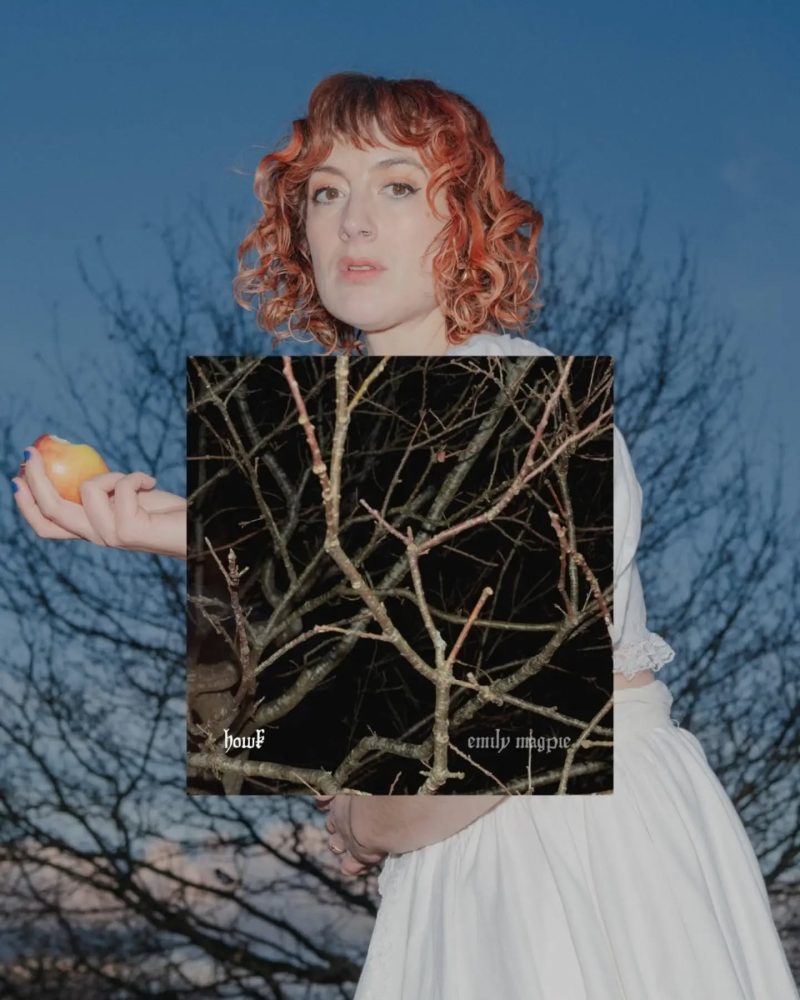
Howl is out on June 26 on vinyl, bandcamp and other music platforms
That sense of freedom shows up in her music, which she calls alt-pop but “more leftfield, more experimental, eclectic” and particularly on Howl where “I’ve pushed that experimentation the furthest I have so far”, adding an electronic twist and some unusual elements:
“I like collecting sounds. Some of the percussion was me and my drummer messing around with knives, forks, keys, sending them through a load of guitar pedals. I like to create sounds I haven’t heard before, then weave them in with more traditional folk instrumentation.
“I was excited to have the juxtaposition with digital production and electronic sounds, seeing how they could interplay. I don’t think I’ve pushed things that far before.”
And adding her own contribution to the threads of folk that stretch from the traditional to the contemporary and beyond has been a rich experience:
“I’ve loved how intimate the shows so far have felt. We’ve chatted in between songs and it’s felt like a very relaxed space of story and song sharing.
“We’ve done a lot of gigs, me and my band, and it’s nice to come back to the core of what songwriting is and what gigs are about. It’s been really special.
“I hope the album sparks interest and excitement for others in the way it has done for me. That’s the best thing about music and stories, when you hear something that inspires or excites you or makes you want to learn more about something. That’s what I enjoy about music and art.”
Howl is out now. Listen to the album and buy vinyl at emilymagpie.bandcamp.com/album/howl
Find all streaming options at ffm.to/em-howl
All images: Ania Shrimpton
Read next:
 Our newsletters emailed directly to you