Music / Get To Know
Get to Know: Rita Lynch
Rita Lynch formed one of the country’s first all-female punk bands in the 70s. She went on to launch a solo career, date the Pop Group’s Mark Stewart, join Bristol stalwarts the Blue Aeroplanes and have a Channel 4 documentary made about her.
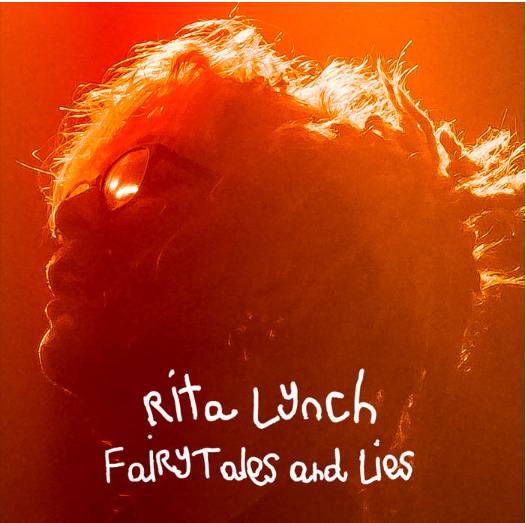
Now 10-12 albums deep (she’s not sure of the exact number) and still writing songs in her 60s – “What else is there to do?!” – her latest record Fairy Tales and Lies tells a deeply personal tale.
From godly beginnings to navigating misogyny and rejecting modern music’s superficiality, the trailblazing Bristol-based artist shares reflections, ideas and future plans.
is needed now More than ever
“It was a scary time but we were young and brave. We survived it!” Always looking forward and already planning her next album while preparing for the upcoming launch of her current record, prevailing punk personality Rita Lynch has been convinced to reminisce.
Bristol in the 70s and 80s was worlds apart from her London Irish Catholic upbringing where she grasped a sense of rhythm from Irish dancing lessons and, at ten years old, played guitar in her church’s Sunday Folk Mass.
While the connection between music and religion instilled a sense that music was, perhaps, more important than mere entertainment, it was Bob Dylan that opened up a new musical landscape – “he changed my whole world, my whole life, my trajectory, everything” – followed by “the greats” of the time like Patti Smith and Iggy Pop when she moved to Bristol at 21.
“I got heavily involved in the punk scene,” she says. “We were all educating each other, sharing amazing information, ideas, making music.
“Society seemed to look down on punks as if we were another species but we were really quite intelligent, trying to up our games musically, using poetry, politics. We’d talk into the night about stuff. It seemed like we were on the cusp of something really important.”
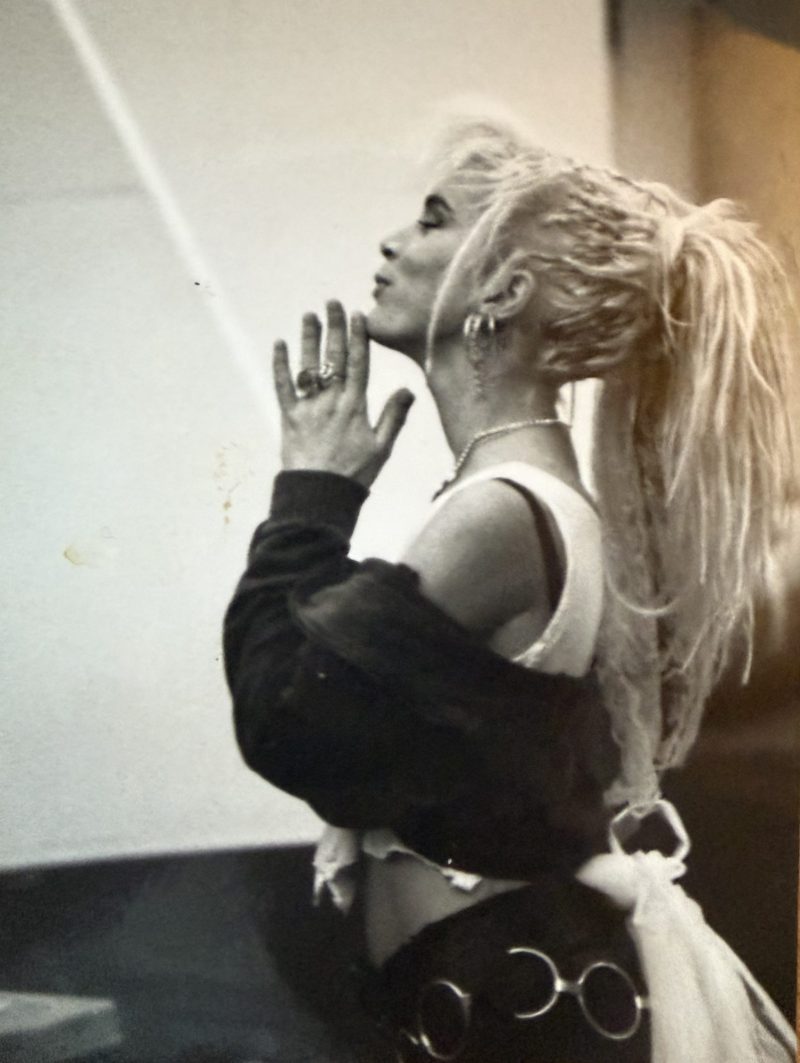
Rita found connection and community in Bristol, though she was inspired to start her own all-female band in protest at the male-dominated nature of the punk scene
Bristol was a different place, she says, remembering no-go areas where she lived in St Paul’s caused by issues between the police and the Black community and constant tension between the right wing skinheads who would pick fights with the left-leaning punks.
Conventional society at large also seemed to have an issue with them. “Punks were very vilified back then,” says Rita, recounting being stopped and strip searched by the police “just for walking down the road in the afternoon wearing our punky things.”
There was a lot for punks to rail against, and for women that included a baked in misogyny that permeated the scene. “I used to wear big Doc Marten boots so I was ready for action all the time. The ethos was to be ready with your boots and leather jacket so you were armed! It was difficult.”
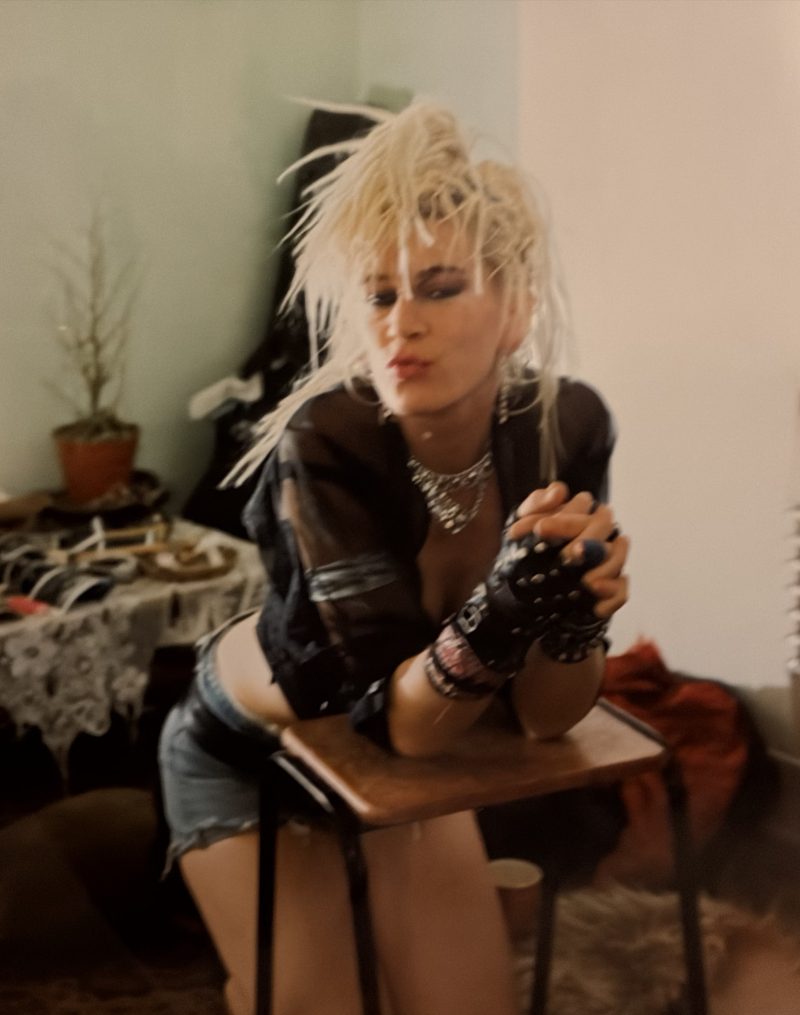
Her first act, in which she played bass, is recognised as one of the country’s first all-female punk bands
It was a culture in which “there was a lot of stigma and horrible ideas about women. Men used to think women doing music were going to be Primadonnas. There was a lot of talking down to you, a lot of hideous graffiti in the changing rooms because it was all very male. You felt you had to really be strong.
“I was going out with women which helped protect against the horrible comments men would make, on a very casual basis. You felt you couldn’t tackle them or you’d be pigeonholed. So I found my own protection. Being around women a lot really helped, because they really backed me up and supported me.”
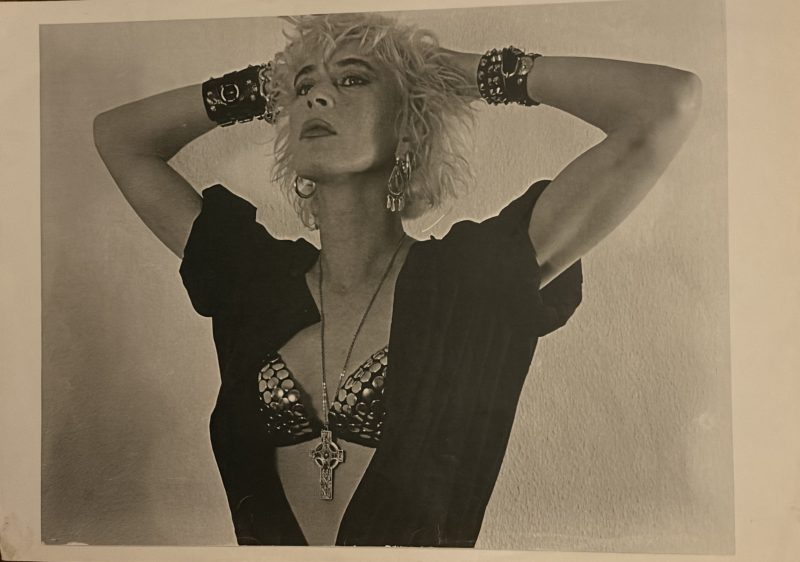
With protest at the core of the movement, Rita staged her own by forming an all-female trio, Rita and the Piss Artists, that made a name for themselves even if they were shortlived “because of the nature of the drinking and all that madness.”
It was the vital first step in her music career, though, and Rita thrived off the community and connections she found in the scene, joining another band in which she transitioned from bass to vocals, learned how to write songs and finally launched her solo career.
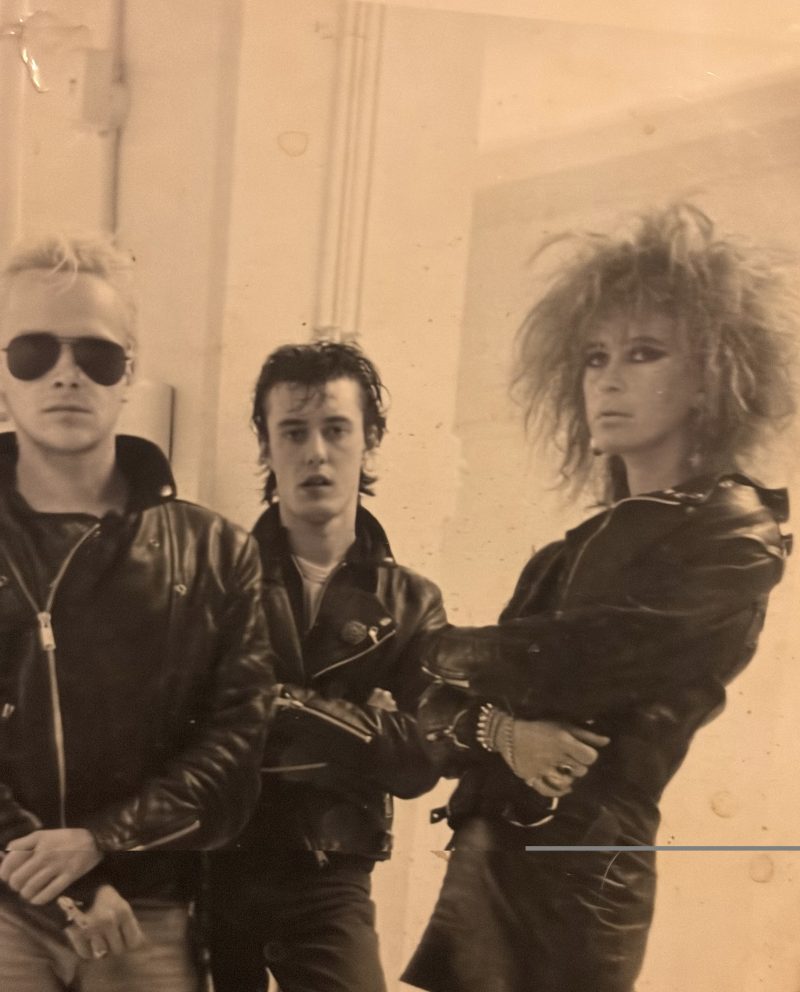
God Bless You, the band where Rita discovered her voice, was well reviewed and respected in Bristol at the time
Reflecting on those days, she’s enthusiastic about how far the music industry has come in terms of gender equality, but says there are new problems:
“It’s changed hugely. It’s so normal for women to go onstage and do music now. But it’s become elitist. It’s obviously about who has and hasn’t money, who’s been brought up with a certain privilege, who can afford to do music.
“When I started doing music I had nothing, but it was easy to do things on very little money. In the early 80s, in St Paul’s, it was very rough but there were more possibilities. You could open up squats, live together, put on gigs. You could bring people together.”
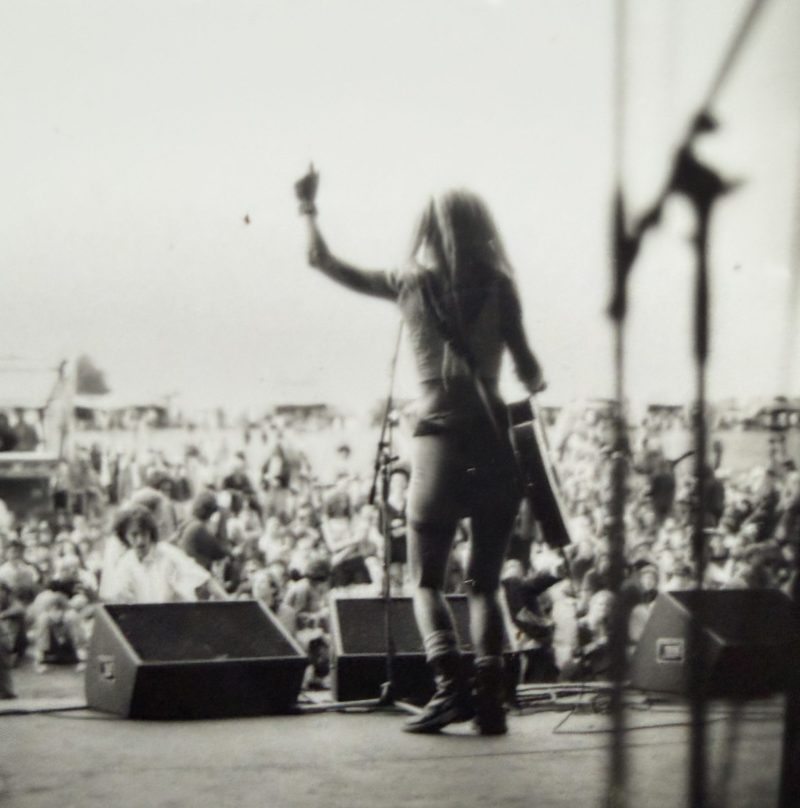
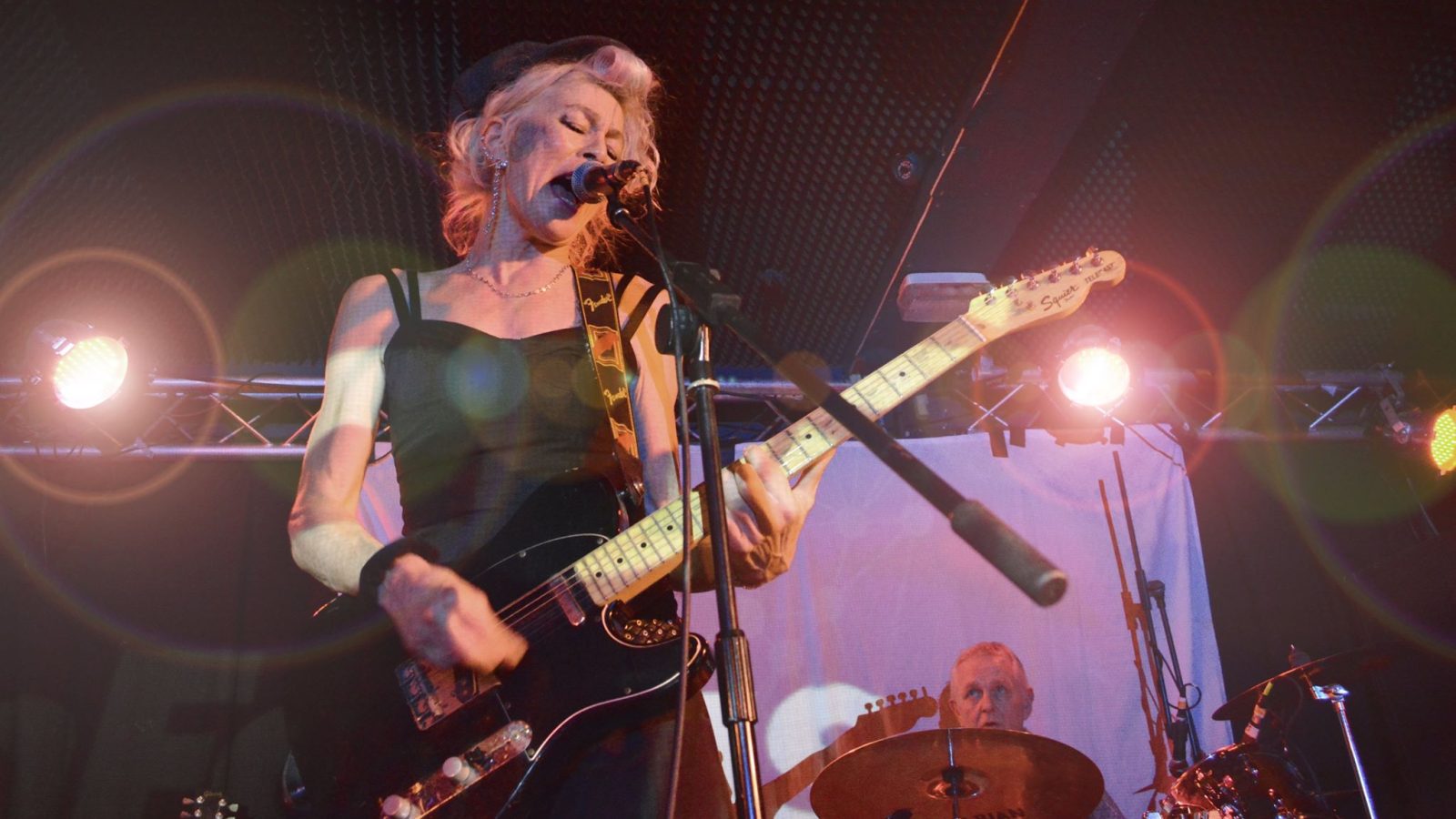
Revered by PJ Harvey, the subject of a Channel 4 documentary, and sharing members with Massive Attack, Rita has seen a huge amount of success in her career to date and continues to move forward with music
The nature of music has fundamentally changed as a result, she says: “The money being made by people in music now is so much bigger, the level of professionalism that’s come in. I was a more of an anarchic ‘express yourself’ type of person. Now everything’s about product, it’s increasingly divorced from art. It’s alienating.
“I’m not successful, I don’t make much money out of music, but that’s not really what it’s about. We live in this very capitalist world, but that’s not my motivating thing. There’s a saying ‘art should comfort the disturbed and disturb the comfortable’. When I write, it’s important that it expresses the human condition.
“You must always reinvent a path to keep moving forward… To be authentically yourself, to give what you can give of yourself, which only you can do. You have to dig deep.
“These days I believe I wouldn’t bother if I didn’t feel I had something to say that’s important or relevant, or I feel I want to communicate. It is ultimately about communication.”
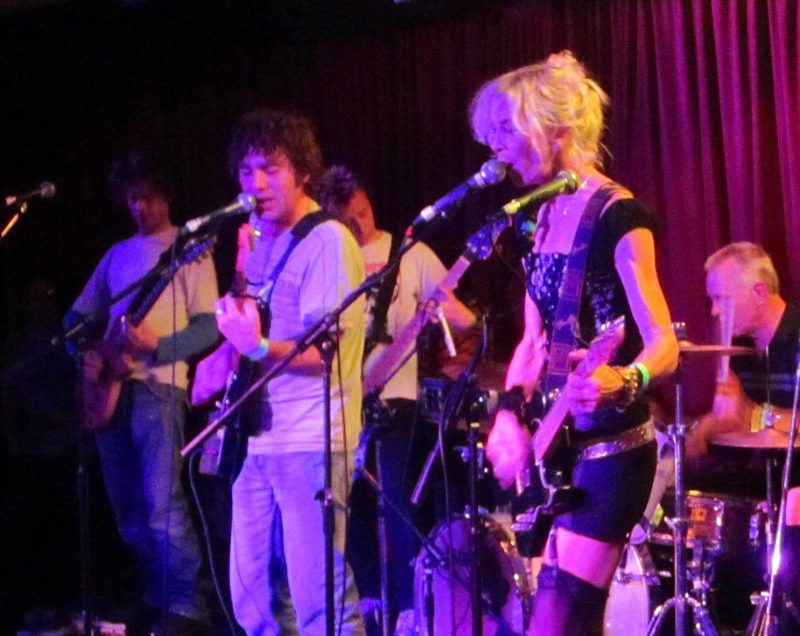
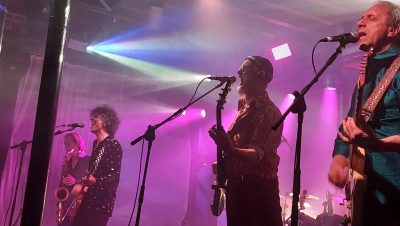
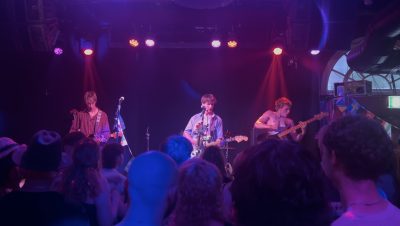
She plays with well-loved Bristol act the Blue Aeroplanes, whose members John Langley and Mike Youé also play in her solo project
It’s an approach that, coupled with her natural affinity for melody, keeps the music sounding fresh and timeless, and sees her currently working on a new set of songs that will make up her next album, even as she rehearses for an album launch.
Her latest record, Fairy Tales and Lies, comes from a deeply personal place: her experiences as full time carer for her son who is 24 and has significant learning disabilities. She describes the “arduous fights” she has had with the system to try to get him the support that he needs.
It’s gritty and passionate and the determination shines through: first track, I Believe in You, brings shivers with its heartfelt lyrics and brooding Bluesy beginning that builds in intensity and urgency, Rita’s signature vocal a beacon of strength with a very real vulnerability at its core.
Ultimately, she says, “it’s about love, struggle, love, loss, and love again.
“It’s always about love in the end.”
Rita included her son’s writing and artwork on her latest record, and he’s appeared in her music videos: “Because of the terrible prejudice against people with learning difficulties – he’s lucky he was born with an artistic mother, and it’s something I’ve got to give him. So often people like my son are disappeared,. I’m trying to raise his image and presence in this world”
The album Fairy Tales and Lies is available at ritalynch.bandcamp.com/album/fairytales-and-lies
The album launch takes place on February 20 at the Thunderbolt, Totterdown: headfirstbristol.co.uk/whats-on/the-thunderbolt/fri-20-feb-rita-lynch-hermeticus
All images: courtesy of Rita Lynch
Read next:
 Our newsletters emailed directly to you