Clubs / Tokio Station
Where jazz meets jungle
It’s 10.30pm in Bristol on any given night.
Most live gigs are drawing to a close and gig-goers are spilling out of venues, lingering in smoking areas and grabbing a final pint before heading home.
Meanwhile, those of a more electronic disposition are just getting out there, piling into similar venues as things are just starting to warm up.
is needed now More than ever
This dichotomy has been central to Bristol’s nightlife culture ever since fire was first ignited on Turbo Island.
A balance almost never disrupted – enter Tokio Station.
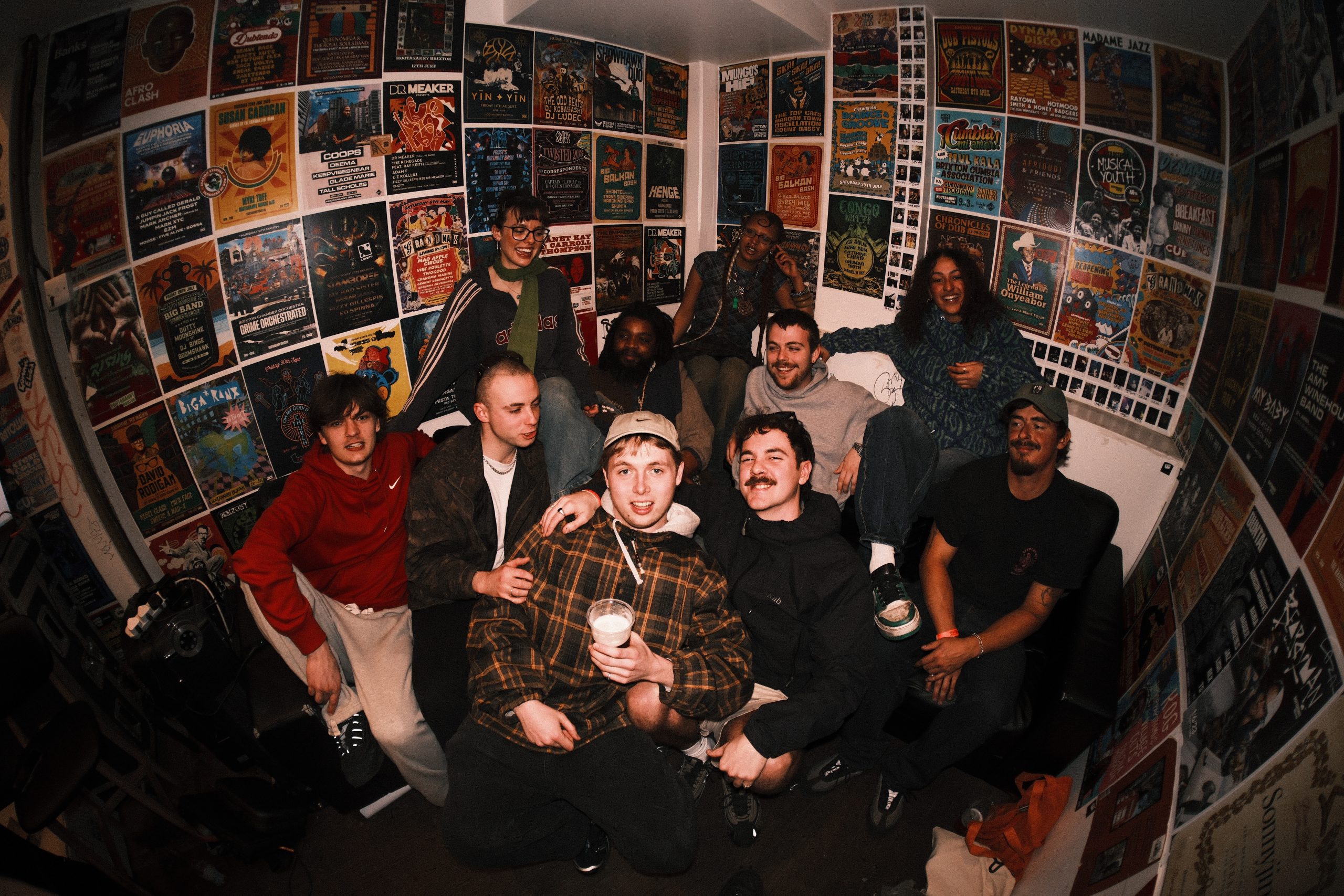
The Tokio Station team – photo: Lewis Sowerby
I meet Blake Robinson, one of the outfit’s founders, at the Sugar Loaf in Easton.
The brand is run by himself and friend Alex Stroud, who manages their marketing and PR.
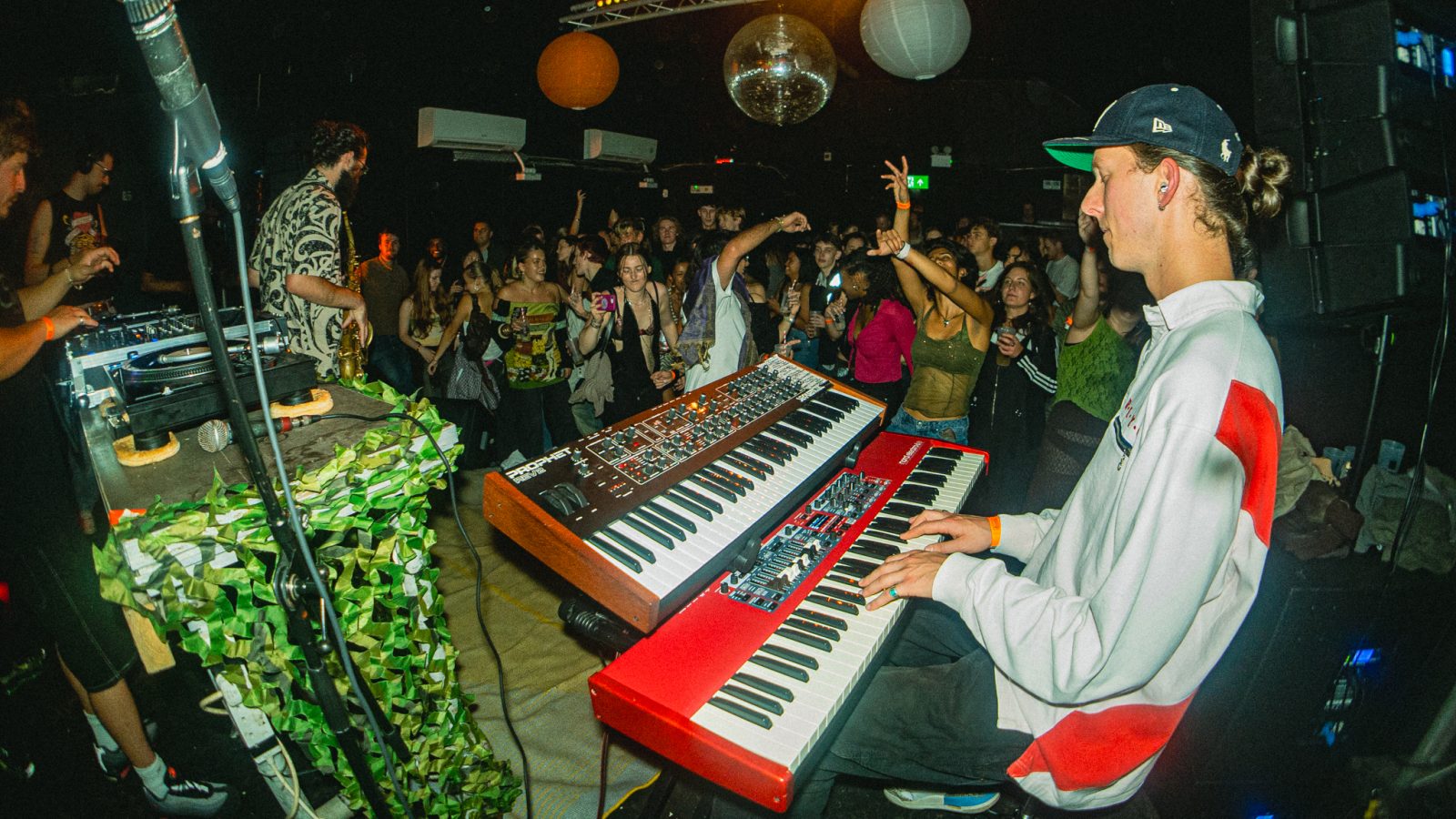
“Practically, it’s jungle jazz events – mostly vinyl jungle DJs with live jazz musicians improvising over the top” is how Blake describes Tokio Station to someone who’s never come across them before.
They pay homage to a more mellow jungle sound that isn’t often given space in a club setting, layered with live improvisation from some of Bristol’s most exciting jazz musicians.
Tokio Station pays homage to mellow jungle layered with improvisation from Bristol’s most exciting jazz musicians
He says it allows “DJs to play tunes they wouldn’t normally get to play”, giving them space to play a more soulful sound and letting tracks ride out.
The improvised live aspect also means that “if you come to an event, you’re never going to hear that music again.”
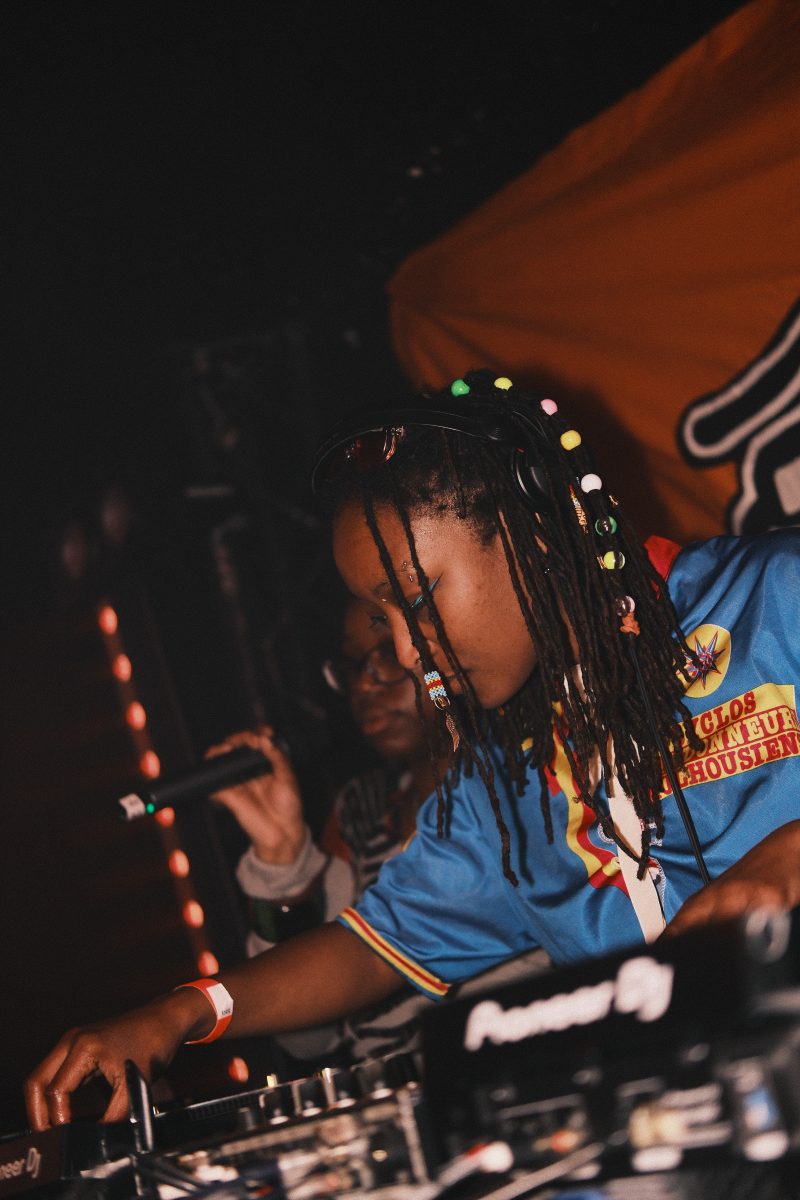
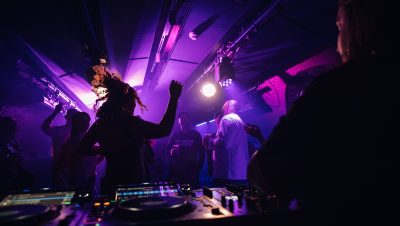
Tokyo Station is a Bristol-born project bringing jungle and jazz together through live, improvisational energy – photo: Lewis Sowerby
Like so many Bristol musical origin stories, it started when Blake moved to the city to study.
“I had to do an event involving live sound for university, and that gave me the excuse to actually do it,” he says.
The event was a fundraiser at Elemental on Stokes Croft, with the unconventional location adding to the distinctive atmosphere. “You could tell there was a different kind of energy in the room that I’d never experienced before. A lot of people said the same thing – it just felt different.”
In a city so saturated with club nights, standing out can often feel not like an option, but like survival.
Blake is acutely aware of the reality that “people can’t afford to go out as much as they once did” and explains how they “want to be the one party people choose because it’s different.”
He also comments on the banger-ification of the club scene: “A lot of the tunes we play are more mellow, and in a world where people want everything heavy all the time, this gives them a place.”
Having been an operator in the scene for years before starting Tokio Station, Blake is no stranger to the realities of the space.
He says: “It gets to a certain point in the night for many where it’s like ‘do drugs or go home’. I wanted to create a space where people don’t have to make that decision.”
Creating this welcoming community within the dance scene has had myriad benefits for all involved like creating more opportunities for DJs and musicians to share the stage.
He says this positive outlook has meant people “trust us as curators”, adding that “the community we’ve built is really beautiful”.
View this post on Instagram
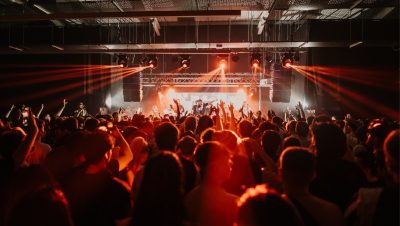
The past year has been a rollercoaster for the team, going from slim margins meaning the group “lost money on the first four or five events” to selling out a 1200 capacity venue in Liverpool as part of a national tour,touring Japanese jungle-jazz pioneer Takuya Nakamura across five UK cities.
Blake describes the tour as “intense” and “really fucking scary”, but pointed out many moments that made it all worth it, including “getting my mum on stage in Bristol – that meant everything to me. She said she wasn’t going to stay long, and then ended up staying until 2am.”
The future holds many more creative outlets for Blake and the team.
They were smart enough to capture the behind the scenes of the tour, and are currently in the process of editing footage into a documentary following the tour in its entirety.
They’re also looking to expand into record label territory, teasing that they’ve “had tunes ready for a while”, they just need one final live session with musicians to seal the deal.
Blake also reflects on the madness of the tour, and how it’s changed his perspective: “We don’t want to tour someone else again anytime soon, we want to build our own thing,” noting upcoming Tokio Station appearances this summer at Boomtown and Outlook – two bucket list festivals for those with an eye for bass music.
“It’s been a bit of a weird trajectory. We grew fast, but now we want to level out and establish ourselves properly,” he tells me as he finishes off his second Guinness, emphasising that what is really important is that the project remains “a good thing for the sound, and pushes it forward”.
On that front, at least, Tokio Station seems to be doing just fine.
Follow Tokio Station on Instagram via @tokio.station
This article originally appeared in Bristol24/7’s May/ June 2026 magazine
Main photo: the Croft
Read next:
 Our newsletters emailed directly to you