Books / News
‘Representation is so important in children’s books’
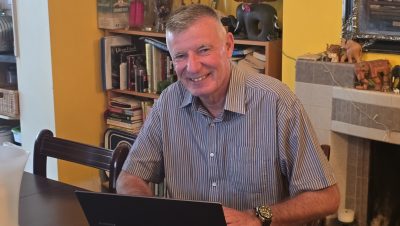
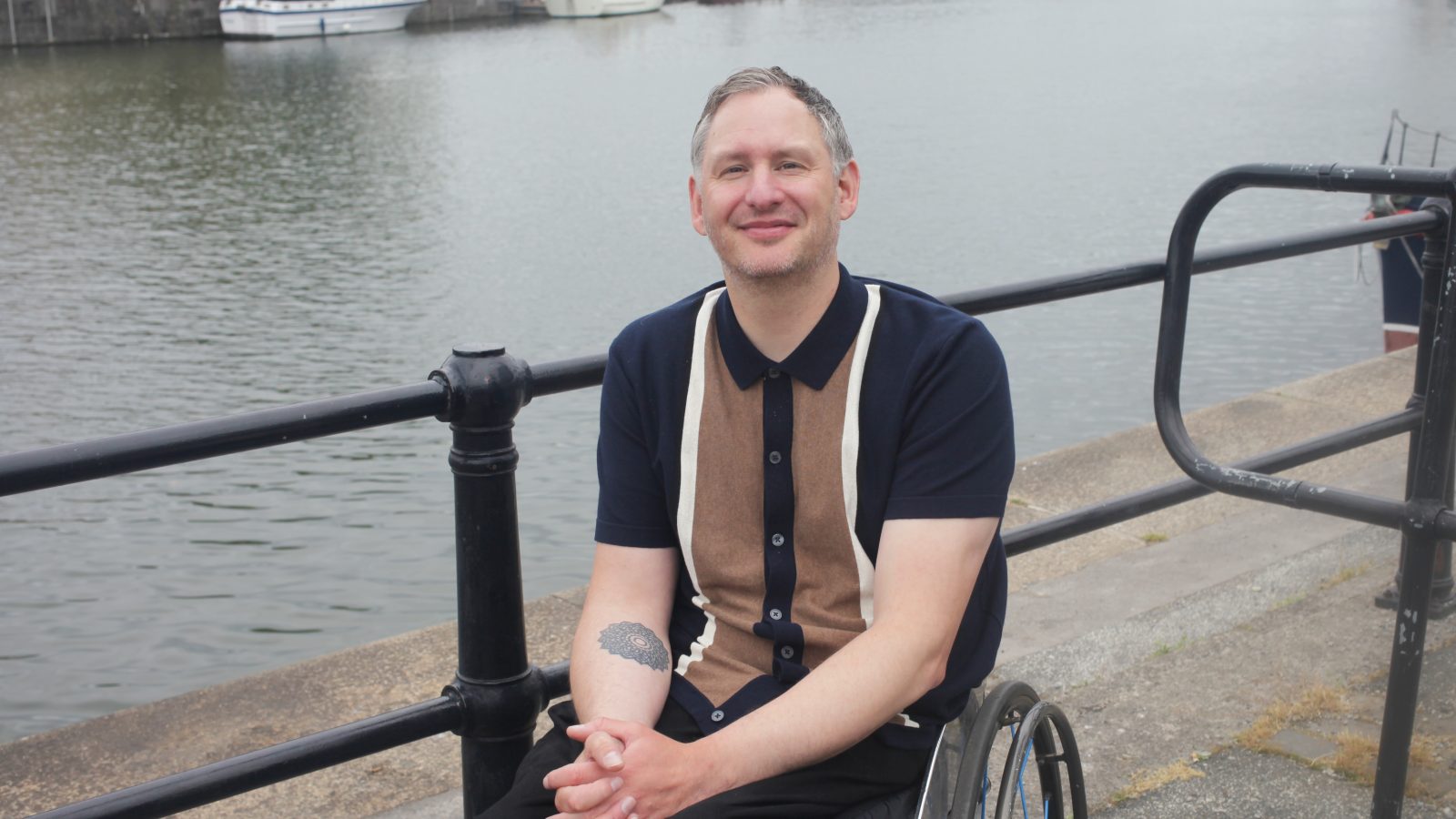
Bristol writer and poet Stephen Lightbown has written his first children’s book, My Dad Can.
Speaking to Bristol24/7, Stephen recalls his experiences navigating fatherhood as a wheelchair user and the wider importance of representation.
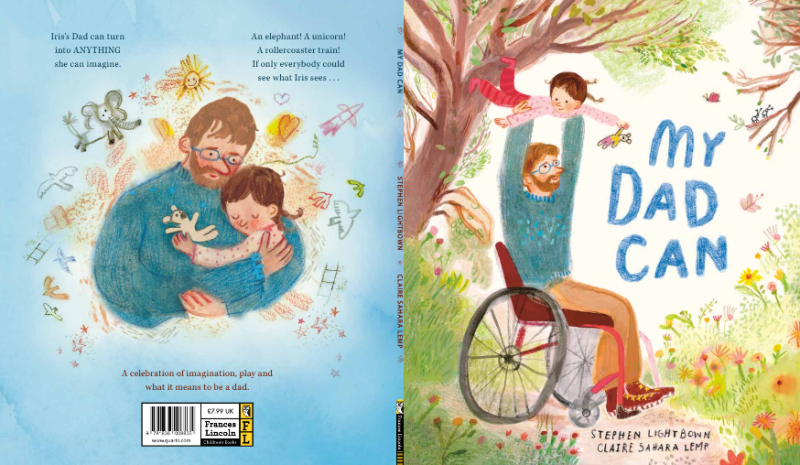
My Dad Can is written by Stephen Lightbown and illustrated by Claire Sahara Lemp
Where did the inspiration for the book come from and can you remember when it struck?
is needed now More than ever
“It started with my son but also coincided with my poetry collection (And I Climbed, And I Climbed) that was aimed at children which came out in 2024. Around this time I was contacted by an agent who asked if I’d ever considered writing a picture book, and this was also whilst I was reading a lot of picture books to my son, not seeing great representation. Particularly for parents that might not feel like the parents that are typically represented.”
What was the process from start to finish like?
“I think if you’ve never written a picture book before it’s common to go into thinking ‘this is going to be easy’. I guess the really good ones do let you think it’s easy. But you have got to get so much into so few words. So when I got into it I was like this is really brutal, every word has to earn its place.
“I had put a lot of alliteration in and then the publishers came back and said we can’t have a lot of alliteration because if this is successful and it gets published somewhere like Spain then it won’t make sense. And then it went off for a diversity reading, which was interesting because they were coming up with stuff that I was having to challenge because the guy said something like when they’re at the cinema the guy wouldn’t be sat in a seat. To which I said when I’m at the cinema I get out of my wheelchair and into a seat and sit next to my son. So there is that back and forth.”
Did you feel a responsibility to be authentic?
“100 per cent. I knew that this needed to mirror my experiences but that my experiences can’t be generalised to other people. As my son’s grown up we’ve experienced some different interactions in public. And that ranges from someone rushing to hold open the door to someone coming over and pushing me when my son’s on my knee and I’ve had to say can you stop please. There’s that range of interactions in the day-to-day. I wanted to try and get all of that across.”
Would you say that the dad character is based on you?
“To a degree. I put lots of myself in everything that I write. I thought it was important for it to be a dad because I don’t think dad’s are as visible in picture books because I think there’s still a stereotype that dads are going to work and the women are doing the heavy lifting at home. That’s not the way it is in our house.
“This was coupled with the fact that there’s a lot of prejudice against disabled parents and what they can and can’t do. When the reality is that I do more with my son in a day than I did with my dad in the time that he was alive.”
How long did the whole process take?
“From the first draft to now it has probably been just under two years.”
What does your four-year-old son Bear think about the book and has he been part of the process at all?
“I’ve told him that it says ‘To Bear’ and that there’s a little paragraph about us in the front. But it’s not his favourite yet. He’s pretty brutal. He is excited though because they’re doing some stuff for Father’s Day at his preschool so he’s going to help me read it to his class. So that will be really nice.”
How have you felt seeing it in bookshops?
“I did the classic thing people do and went into Waterstones and asked if they happened to have My Dad Can Do and they didn’t have it in. I told them to order it. But I’ve seen people buying it which is really nice. I was surprised when it came through the door how tactile it is. It is a really beautiful book and the illustrations do really stand out. I think a good children’s book should survive with just the words or just the illustrations.”
Why do you think that representation in children’s books matters?
“Representation is important because you need to be able to see yourself and your family in books. Bear has a far richer family than I did. If you did my DNA test it would be pure Lancashire. Bear has a Black grandmother, a mixed-raced mother and a father who’s a wheelchair user. I think it’s important for him to see people like him because he sees himself in so many different people. Also, because children are really inquisitive. This book shouldn’t just be for if you’re a disabled parent. We choose books for Bear that have nothing to do with our family because it’s important for him to see and read them and ask questions about different topics.”
My Dad Can, written by Stephen Lightbown and illustrated by Claire Sahara Lemp, is available to buy in all good bookshops
All photos: Stephen Lightbown
Read next:
 Our newsletters emailed directly to you