News / parks
Ethnic minority residents 40 per cent less likely to use parks says study
Bristol residents from ethnic minority backgrounds are 40 per cent less likely to visit local parks than their white counterparts, a study has found.
Participants named a range of concerns including dogs off leads, poor waste disposal and a fear of harassment.
The research was conducted by grassroots charity Your Park Bristol & Bath (YPBB) and the University of Bath as part of a first of its kind in-depth look at the social, cultural and emotional factors influencing use of green spaces.
is needed now More than ever
It was funded by Bristol City Council’s parks department through the Health Innovation Fund, as understanding barriers to access is a key priority laid out in the Parks and Green Spaces Strategy.
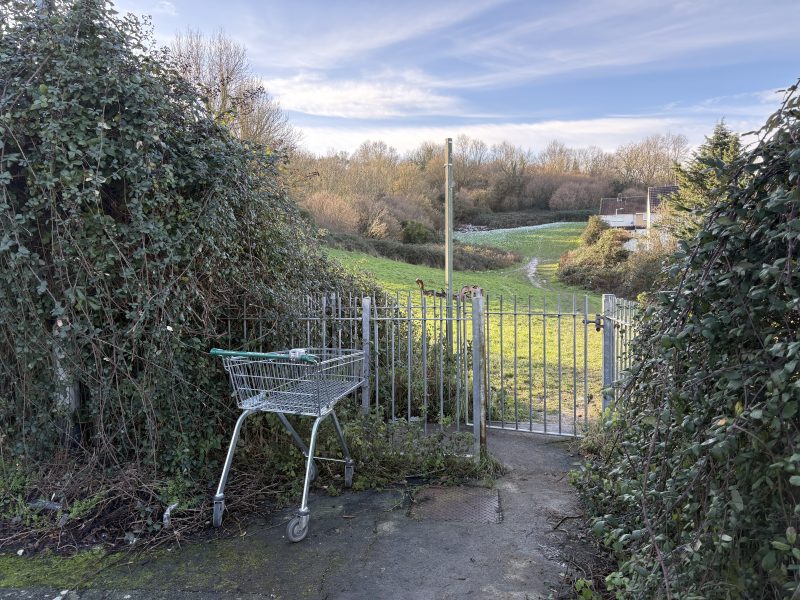
Cleanliness and maintenance of parks including broken play equipment, overflowing bins, discarded needles and dirty toilets were named as issues putting people off visiting parks
It is part of the charity’s Reimagining Parks campaign which is working to make parks more widely accessible and inclusive. It recently helped to convert the Hartcliffe Millennium Green into an exemplar park for Disabled people and their carers.
By making improvements including widening the entrance and smoothing out paths, creating sensory markers, raising planters, adding in more seating and providing a large shelter, the organisation says the park has become ‘one of the first that is fully accessible for people with any impairment’.
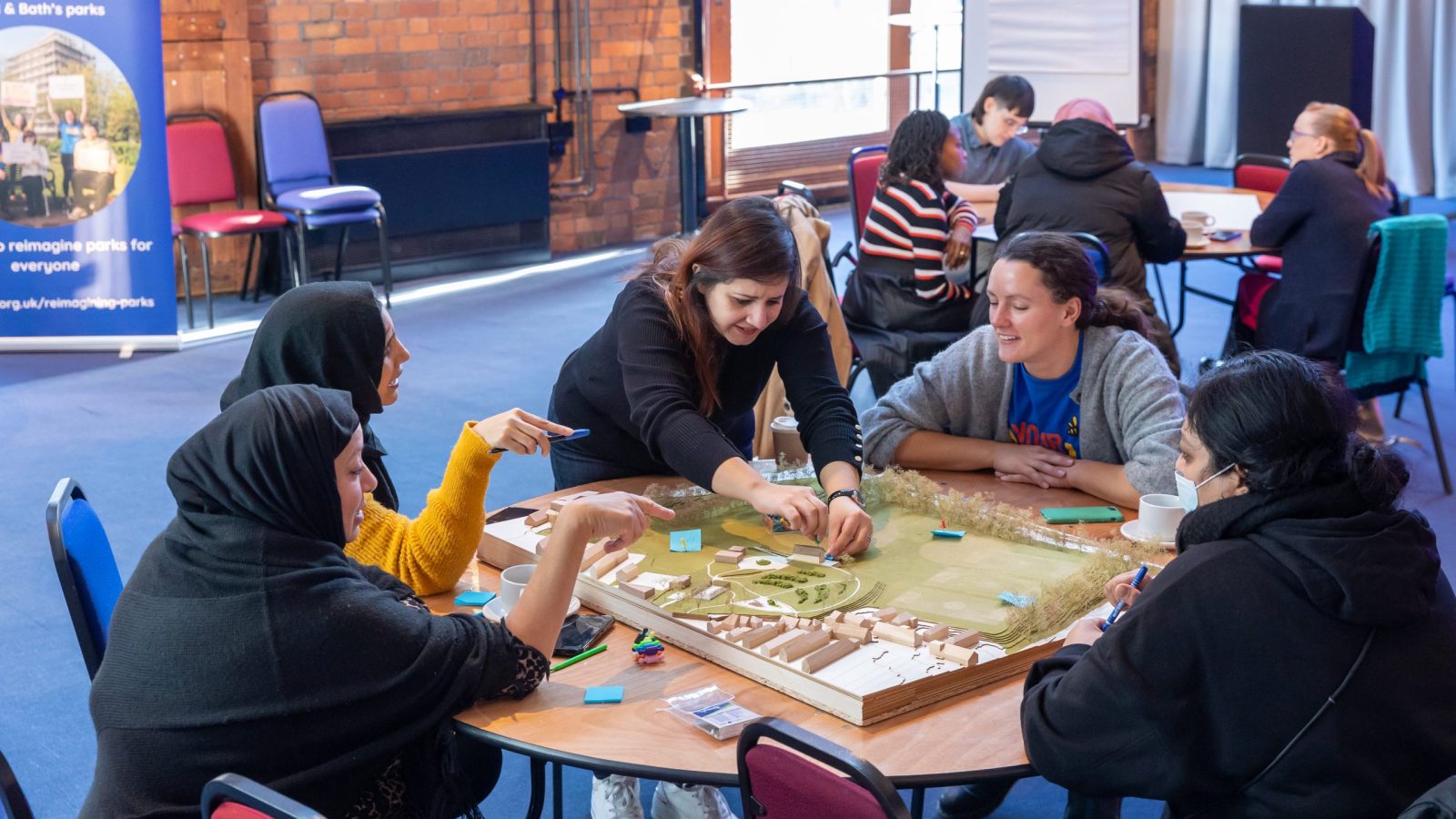
The campaign has also developed a programme of accessible activities such as sensory walks and supported play in every neighbourhood in Bristol, helped 100 people with mental health conditions access nature through its Roots to Wellbeing GP referral programme, and developed an exemplar park designed by and for women in Bath.
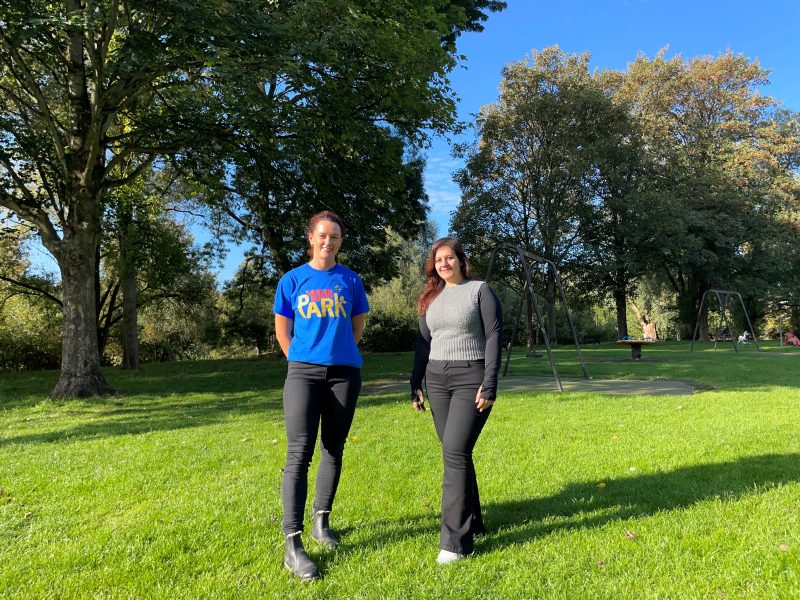
YPBB chief executive Charlee Bennett and Zina Abdulla, a researcher in Green Equity, surveyed 243 people and organised five focus groups and a workshop to identify barriers to accessing Bristol’s green space
This latest study builds on a 2021 study from Groundwork that found only 46 per cent of people from Black, Asian and Minority Ethnic backgrounds were likely to use parks.
This time, the 243 participants referred to issues including feeling unwelcome, safety concerns and spaces not reflecting their community and cultural needs.
Their comments, which have been shared anonymously, include: “It’s just depressing, all the equipment is broken. It is already a deprived area and I have to worry about my son’s safety in the park,” “Toilets are dirty in all parks with basins inside the dirty toilets,” and “Bristol is sectorised, I don’t feel comfortable in the mainly white areas.”
Lead researcher Zina Abdulla said the study demonstrated socio-cultural and emotional factors play a bigger role than proximity in limiting people’s access to green space.
“This study develops what we learned from our earlier study last year, which found that almost half of ethnic minority communities visit their local park just once a month or less,” Abdulla said, adding that the methodology used ensures results are generalisable among non-regular park users within ethnic minorities in Bristol.
“Whilst improving physical accessibility, basic signage, cleanliness and maintenance, the best way we will help more people to engage with these valuable spaces really is about increasing their inclusivity. That means making them safe, inviting and welcoming for people from all cultural backgrounds.”
View this post on Instagram
The researchers are developing a policy brief for decision makers to increase the use of parks.
Specific recommendations include reintroducing park wardens, creating dog-free zones, improving facilities for teens and girls, and building more inclusive and social group-use areas like large seating and BBQ spaces.
YPPB is hosting a workshop at the Engine Shed in Bristol on February 19 that will present research findings and discuss practical next steps. The event is open to anyone interested in green equity and can also be joined online here.
All images: Your Park Bristol and Bath
Read next:
 Our newsletters emailed directly to you