News / riots
‘Bristol is a city of extremes between those who can flourish and those who do not’
Anti-refugee riots in Bristol in the summer of 2024 came as “no surprise” to community leaders in left-behind areas.
In the wake of the riots, which saw an attempted attack on a hotel hosting asylum seekers, experts have spent months quizzing people about the reasons for the disorder.
Bristol was one of 27 cities and towns across the country in August 2024 where anti-immigration demonstrators clashed with counter-protesters.
is needed now More than ever
Amid rising rhetoric against people arriving in England in small boats, demonstrators protested against the policy of hosting people in hotels.
Three girls were fatally stabbed in Southport the month before, which also incited unrest.
After the protests, Bristol City Council hired two equality and diversity experts to explore the reasons behind them and also look at “community cohesion”, how different neighbourhoods can be brought together.
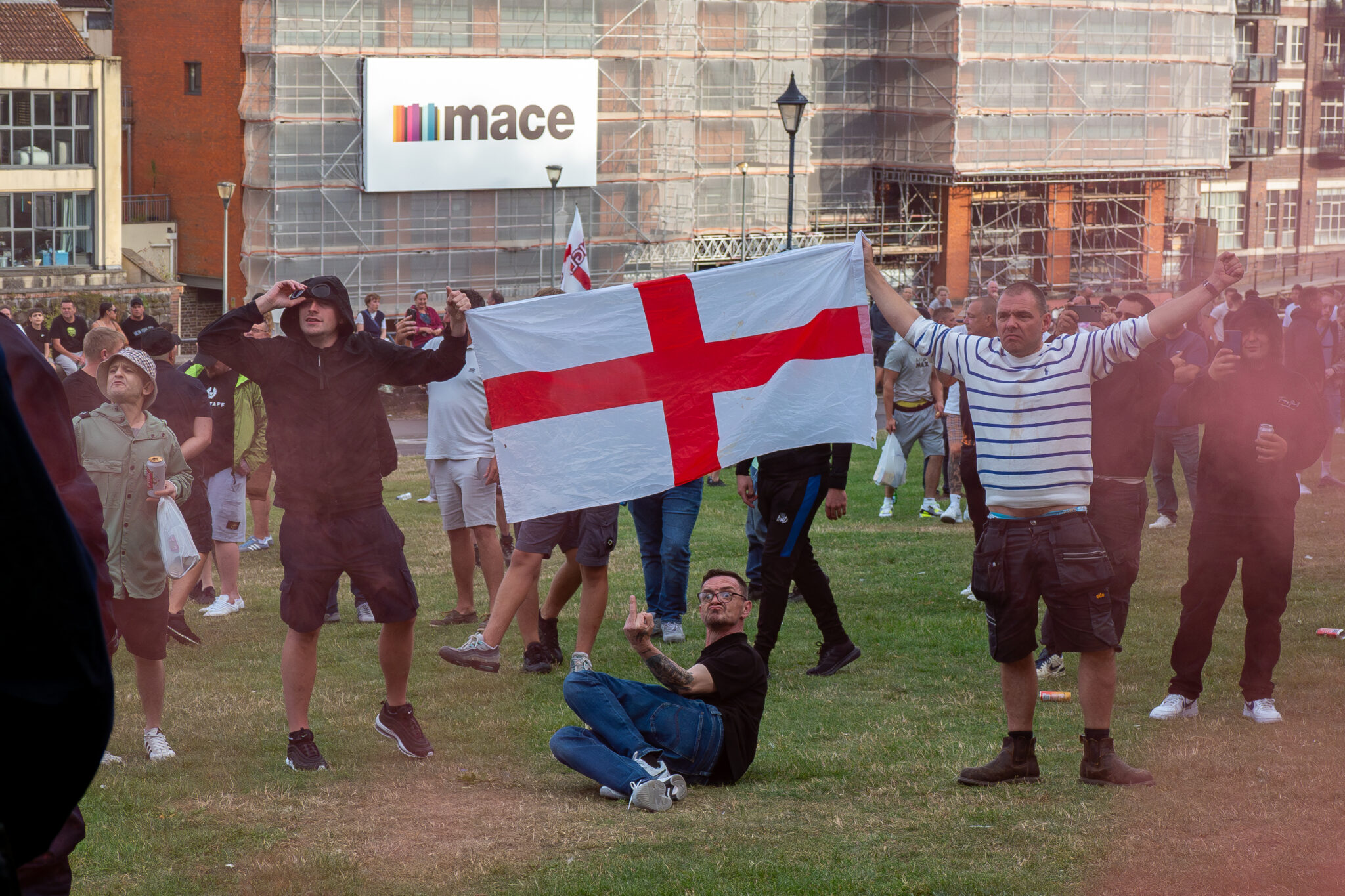
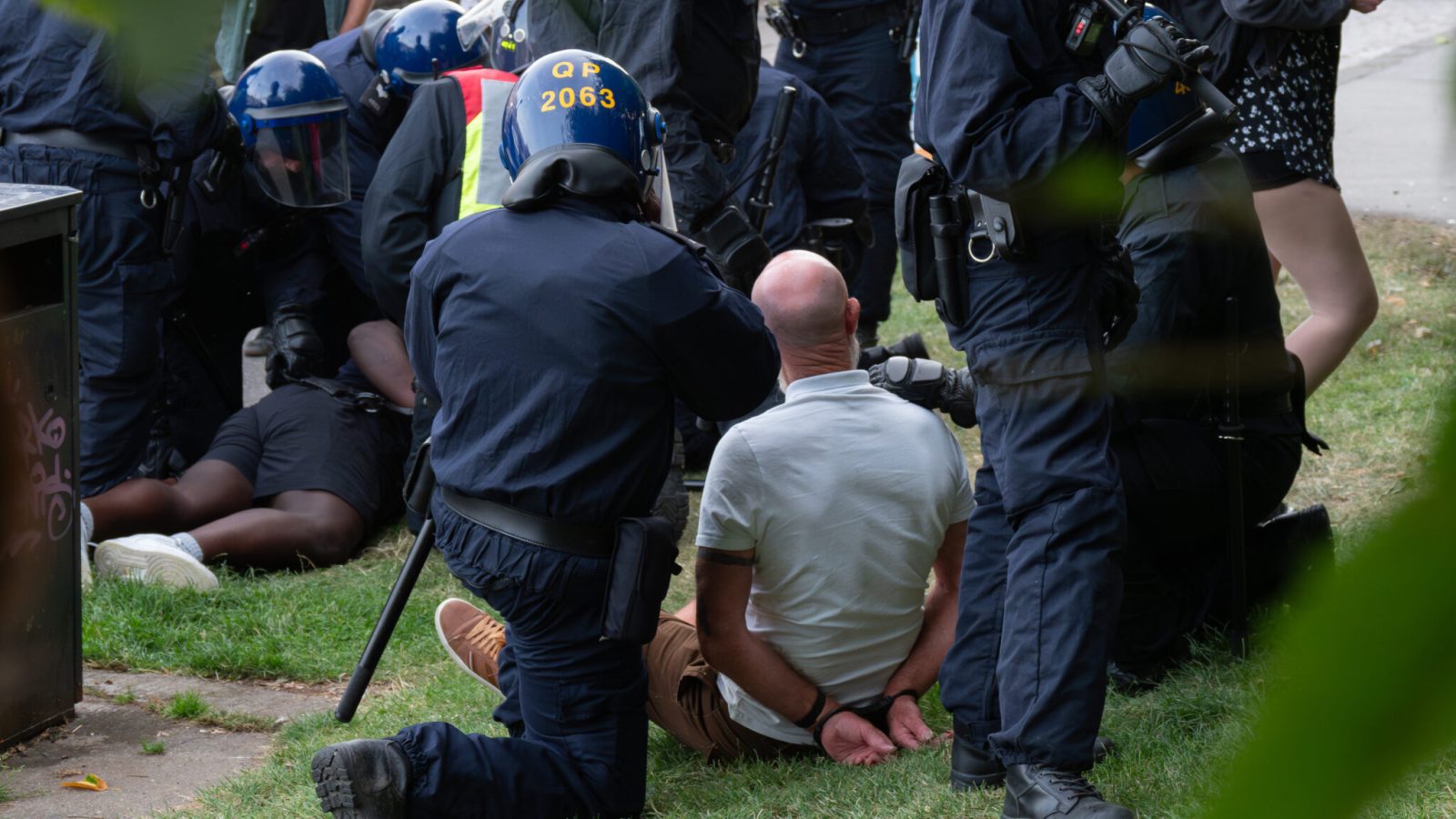
In August 2024, Bristol was one of many UK locations hit by anti-refugee unrest – photo: Rob Browne
Kamaljit Poonia and Ruth Pitter interviewed dozens of people in Avonmouth, Hartcliffe, Barton Hill, Easton, Lawrence Weston and Lockleaze.
Their report will be presented to the public health and communities policy committee on Friday.
The report shows how a lack of public services and things to do in poorer parts of Bristol have led to resentment among some residents, who then felt “ignored and overlooked”.
The report said: “Bristol is a city of extremes between those who can flourish and have greater access to resources and those who do not.
Although the violent and concerning events of the summer in 2024 catalysed this work, many of the issues people spoke about in our interviews have been bubbling under the surface for a long time.
“Most of those we spoke to in these areas were not shocked by the riots in the summer of 2024.
“The reasons reflected by many respondents were related to the challenges of what people feel are fast-changing demographics in neighbourhoods concerning immigration, coupled with a lack of resources, and feeling that their concerns were not heard or taken seriously.”
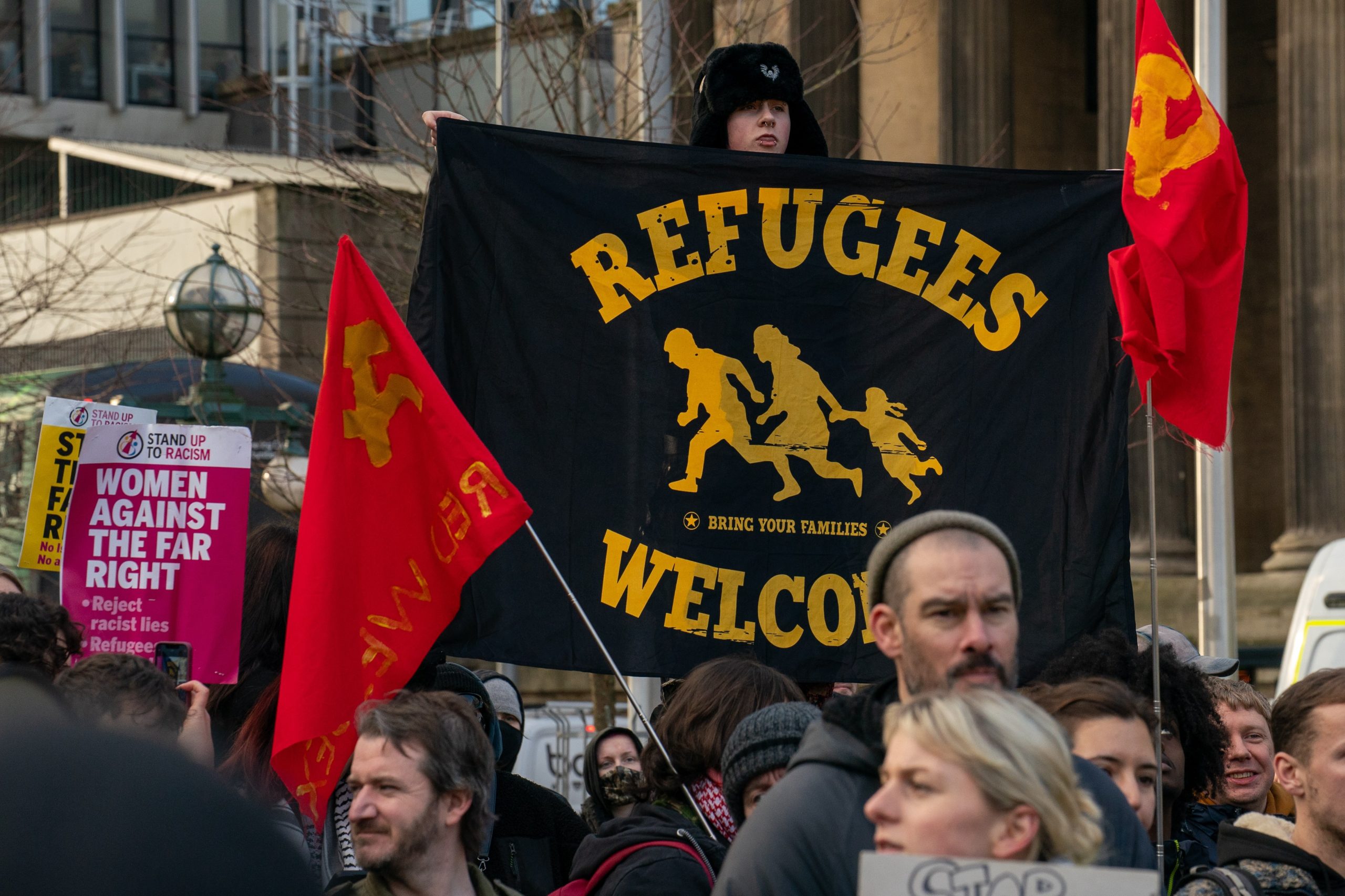
Bristol has seen a series of anti-immigration protests and anti-racist counter-demonstrations in the past two years – photo: Rob Browne
The top issue highlighted was perceptions on immigration, asylum seekers and refugees.
The report said that while some views are driven by “racist far-right ideologies”, other views are informed by perceptions of dwindling resources and the fast pace of change in communities.
Interviewees said they felt frustrated and shut down when sharing their concerns on the issue.
One interviewee said: “It is often very difficult to have conversations about immigration and its impact on people without being labelled as a racist.”
Another added: “People see a lot of young immigrant men, often in hotels, and see them as a threat. They think they are having a luxurious time, but it’s actually a cage.”
Some people reported a sense of unfairness and queue-jumping in how resources are allocated to asylum seekers.
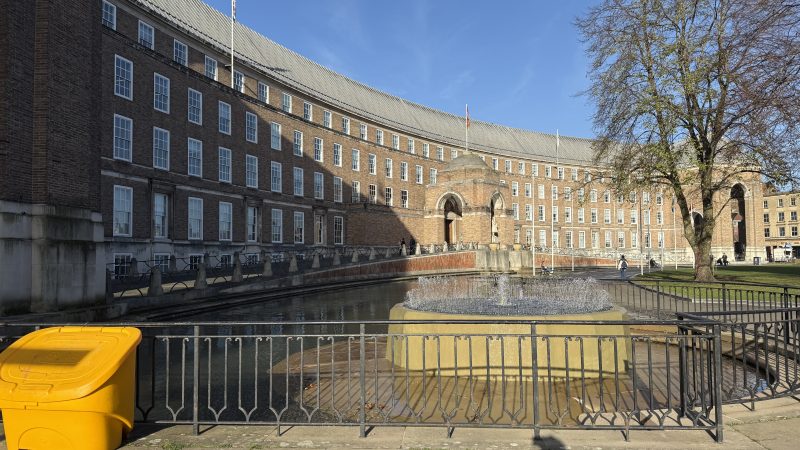
The council commissioned equality and diversity experts to investigate the root causes of the disorder – photo: Betty Woolerton
Another finding was that concerns over immigration were not exclusive to white communities, but also present in people from other ethnicities too.
The report highlighted conflict and tension between some young people with Caribbean and Somali backgrounds.
Fuelling frustrations was the cost of living crisis and the impact of the pandemic.
Wider political problems, like a lack of housing, jobs and public transport, were also found to fuel resentment. Right to Buy means there are fewer council homes, and that coupled with a rising population leaves people feeling an escalated competition for “inadequate and overpriced” housing.
One young interviewee said: “The people who turned out to riot were frustrated and angry.
“People are genuinely angry by the lack of clubs, cost-of-living and transport. Transport is a very big issue for young people.”
A changing media landscape was also found to be a factor, with more people now following social media influencers who “disparage ‘woke’ agendas”.
The lingering impact of the pandemic left a lot of people spending much more time online and travelling around the city less often.
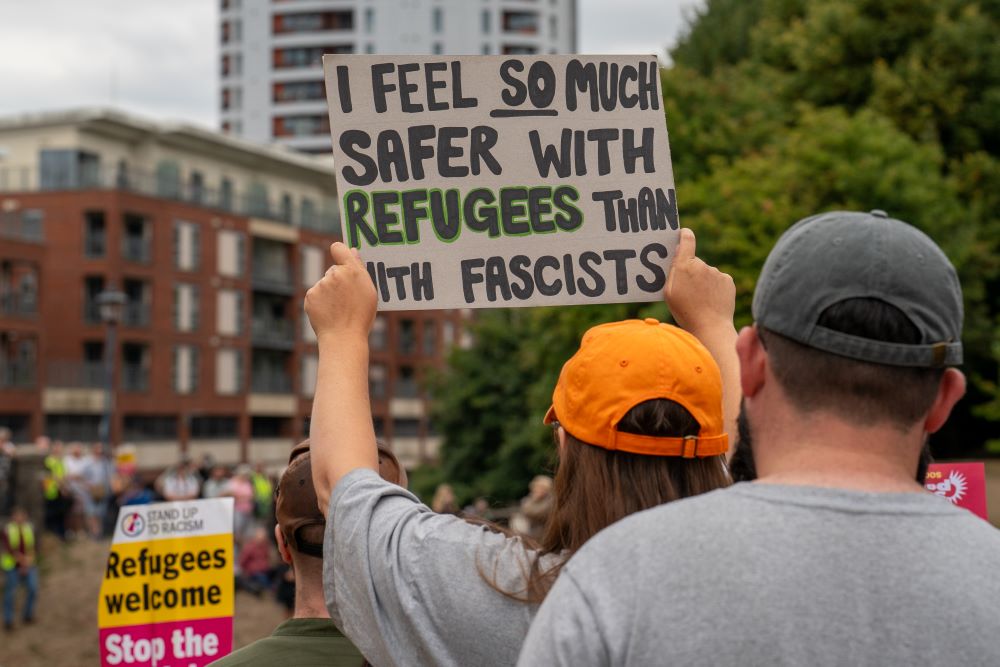
‘I feel so much safer with refugees than with fascists’ – photo: Rob Browne
But the report also suggested solutions as well as highlighting problems.
But the report also suggested solutions as well as highlighting problems. Ideas included a city-wide festival taking place every year in different neighbourhoods, encouraging people to travel to places they wouldn’t normally visit and bringing different parts of Bristol together.
Another idea was social activities held in community centres, where new and long-standing residents could meet together, and Friday night meals where neighbours can share food from different cultures.
And even facing “common issues of adversity” could be used to encourage communities to work together.
Main photo: Rob Browne
Read next:
 Our newsletters emailed directly to you