Features / AI
Bristol unsure about artificial intelligence, data suggests
Bristol hosts the 11th fastest artificial intelligence (AI) supercomputer in the world and has a longstanding nickname of ‘Silicon Gorge’.
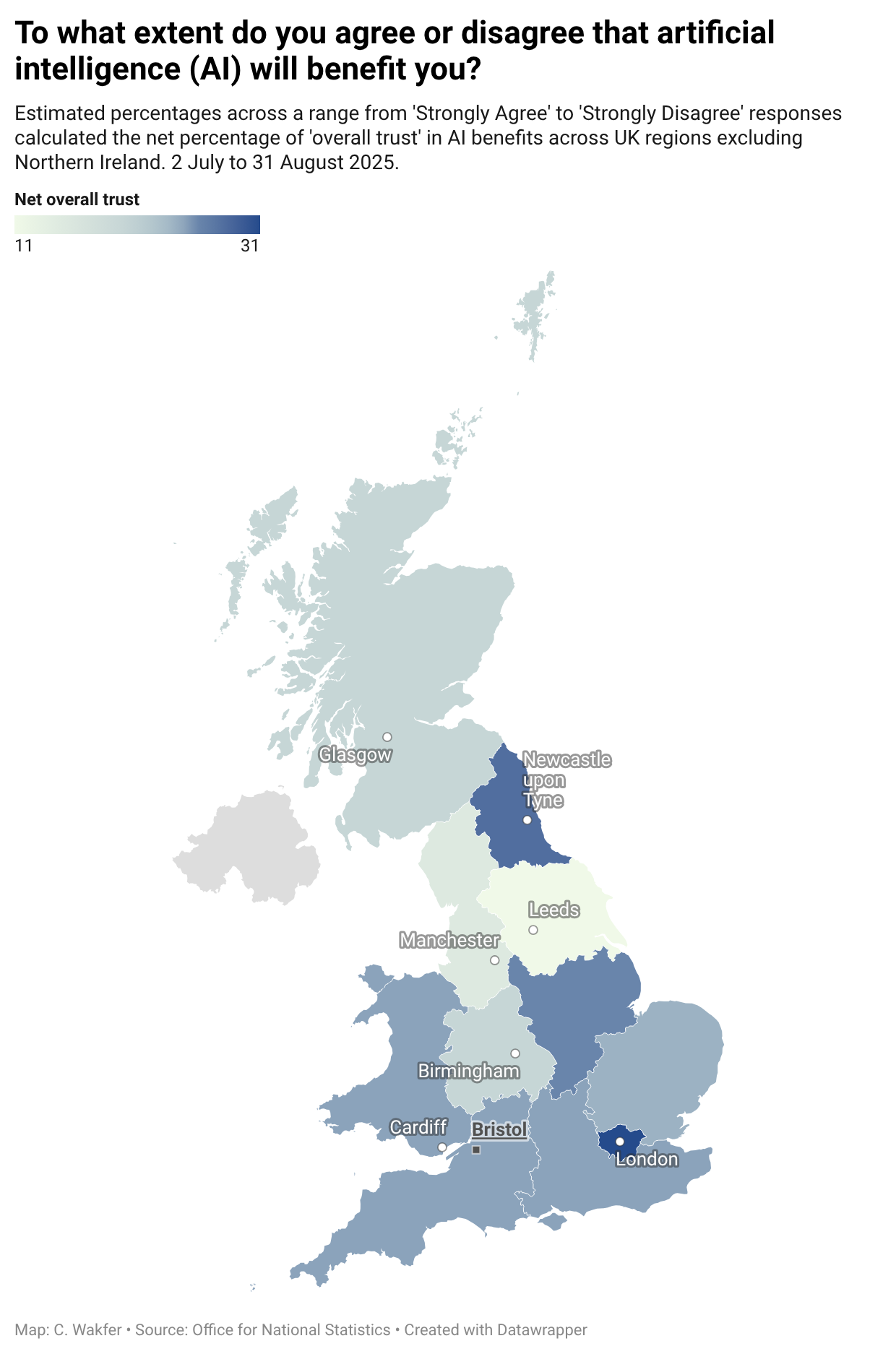
Despite the high-tech corridor around Bristol, a survey by the Office for National Statistics (ONS) placed the city among the most uncertain regions in public attitudes to AI – with data suggesting that largely people can’t decide if they trust AI or not.
People across the UK were surveyed on the benefits of AI and how much they trust AI being used in public services including government tasks, transport, healthcare and education.
The data suggests attitudes in the South West are selective rather than outright against AI.
While 56 per cent of people say they trust public services to use AI, 44 per cent say they would not trust any usage at all.
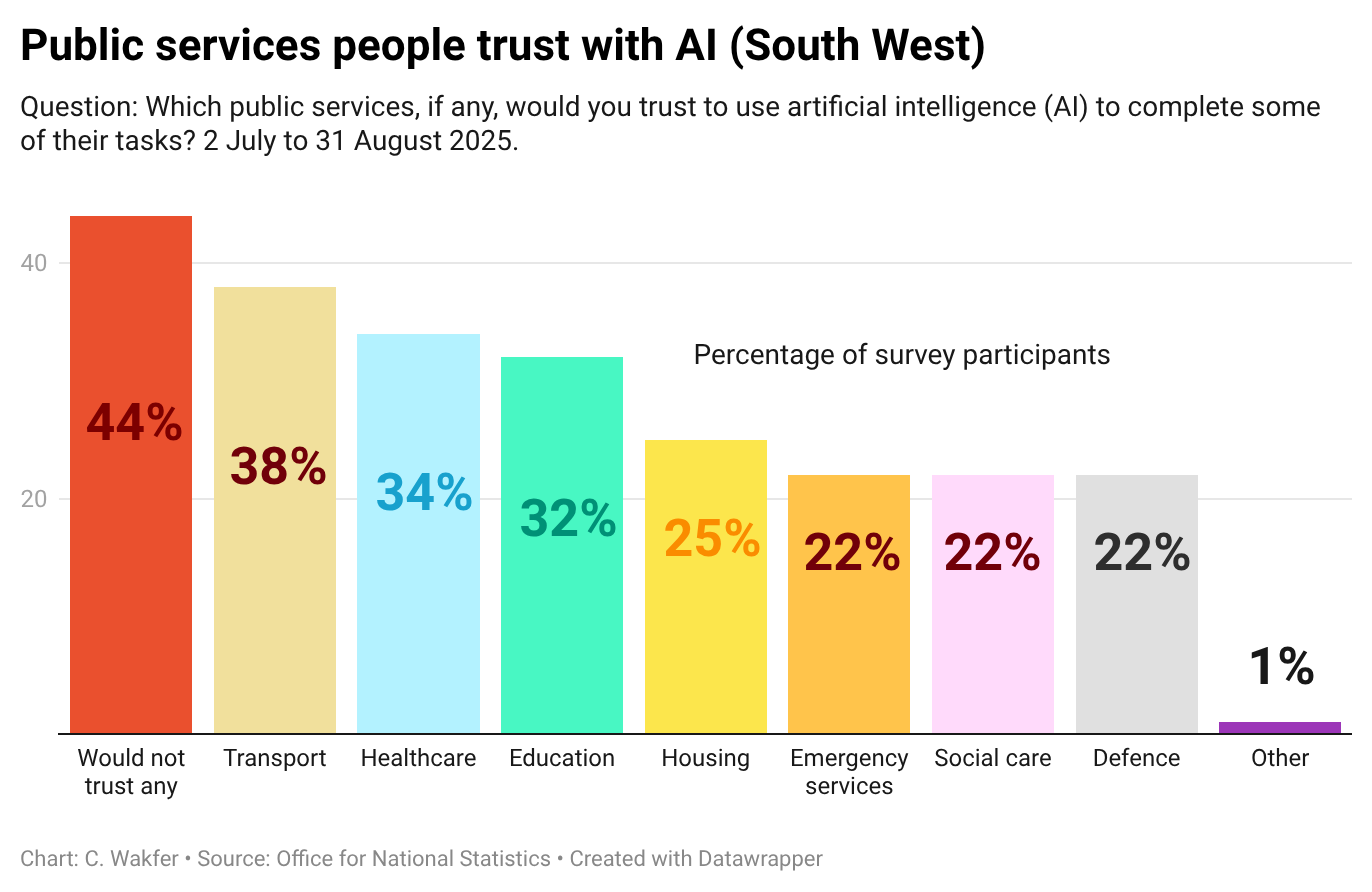
Where trust can be found, it is concentrated in areas seen as operational rather than judgement-based: transport ranks highest, followed by healthcare and education.
Trust drops for emergency services, social care and defence – sectors where decisions are critical, personal or ethically sensitive.
The pattern suggests people are more comfortable with AI as a background tool that supports human tasks, and far less willing to accept it where automated decisions could directly affect safety, care or rights.
For Professor Alan Winfield, a robotics ethics expert at UWE Bristol, the hesitation isn’t surprising.
“The word trust is completely inappropriate when talking about AI,” he said.
“Trust is a reciprocal relationship between human beings – you can’t have that with a machine.
“AI doesn’t understand, empathise or reason in human ways. We should be talking about whether systems are reliable, truthful and worthy of confidence – right now, many aren’t.
“It’s fine as a creative tool – for inspiration, for something inconsequential.
“Once AI is built into public services, the risks become serious. AI should not be used for consequential purposes,” Winfield argues.
There are plenty of examples of AI hallucinations that could shatter public trust in AI being used for decision making.
Earlier in January, Craig Guildford, the chief constable of West Midlands Police, retired as a result of AI allegedly influencing controversial policing decisions surrounding a football match.
The South West sees benefits to AI, but is less trusting than London, with a larger share of respondents undecided.
Across Bristol, businesses and professionals are weighing the efficiency gains AI can offer against concerns about environmental impact, quality, reliability and plagiarism.
Ed Garrett, founder of St Pauls-based design agency The Discourse, said AI had helped streamline admin, project management and drafting: “It’s useful as an enabler but not as a replacement for human ideas or creative input,” he said.
The agency avoids AI image generation altogether and excludes generative AI results from stock libraries. Like many other professionals in Bristol, Ed cited environmental concerns.
For Susie Fisher, company director at transcription service A2i in Montpelier, accuracy is the overriding issue.
“In transcription – especially for formats like Braille, large print and audio – it’s essential the text matches the original exactly,” she said.
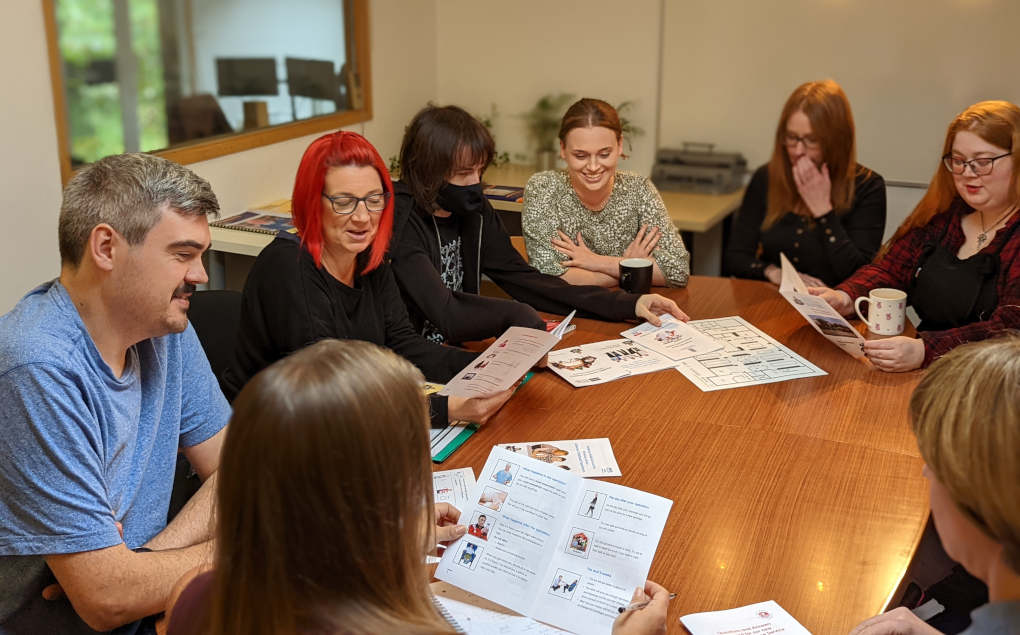
Susie Fisher believes AI can be incredibly useful but it can also be inaccurate and not represent the text correctly – photo: A2i
AI is avoided where errors could undermine accessibility, a core principle of the organisation’s work. Fisher added that staff concerns about environmental impact mean that A2i is “moving forward with caution”.
Mary Stevens, experiments programme manager at Friends of the Earth and author of the charity’s policy positions on AI, said public unease is to be expected.
“One of the biggest misconceptions about AI is that it’s immaterial,” she said. “People talk about it as if it lives in the cloud, when in reality it’s incredibly resource-intensive.”
Stevens explained how running large AI models requires vast amounts of energy, water and raw materials, with costs invisible to end users.
“If people don’t understand the environmental footprint of these systems, they can’t make informed decisions about whether they want them used,” she said.
“There’s a real tension between climate commitments and the quiet expansion of energy-hungry AI infrastructure. Those conversations aren’t joined up yet.”
That tension is particularly perverse in Bristol, a city that positions itself as a climate leader through local policy, including cycling infrastructure, a community energy fund and public transport.
The ONS data shows that attitudes to AI usage in public transport for the South West are more trusting than much of the UK, with 43 per cent in support of the use of AI for some transport tasks – however, still less trusting than London and showing no sign of outright enthusiasm.
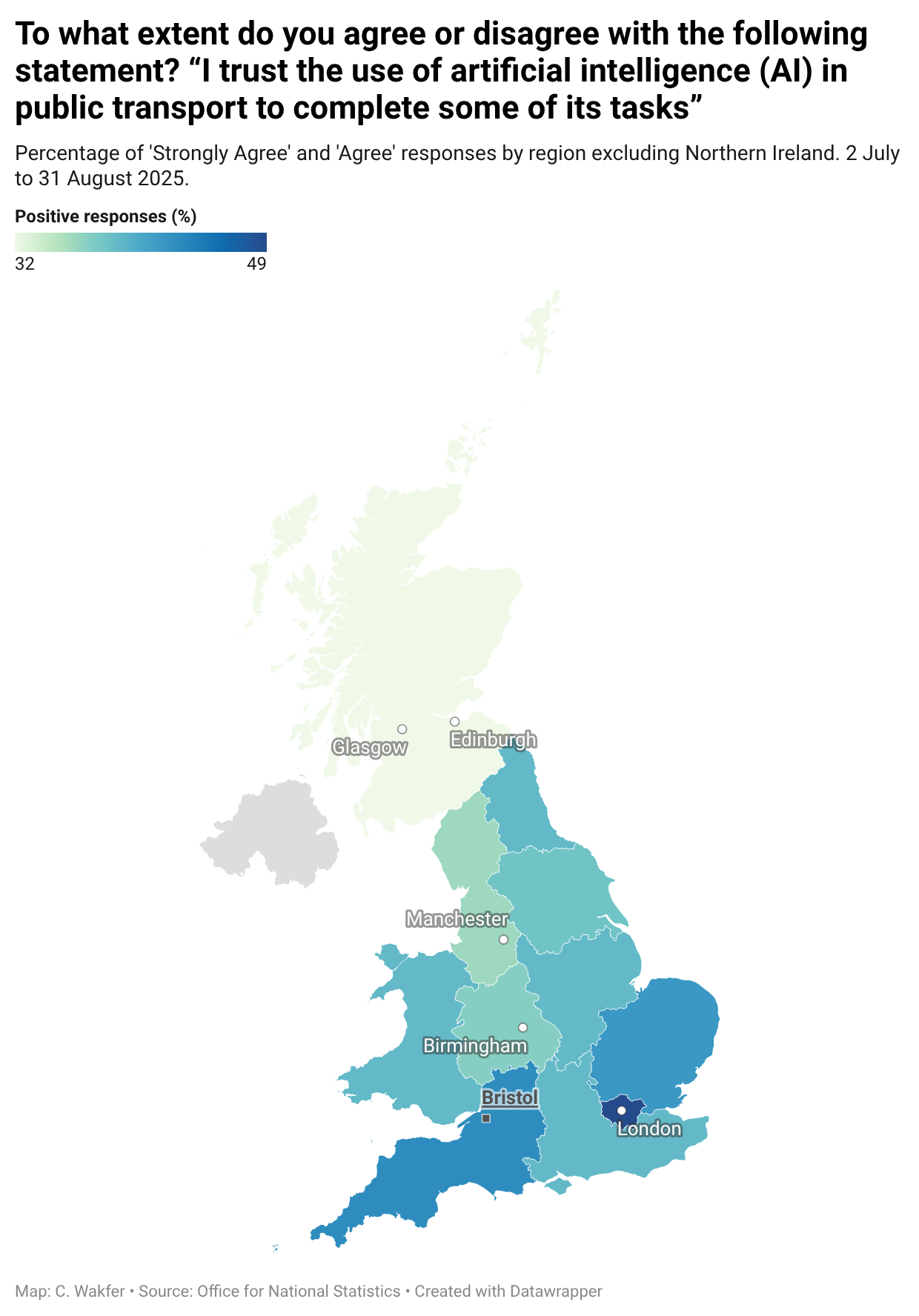
In a region that has invested heavily in public transport as part of its climate ambitions, the data suggests that trust is conditional. People are more open to AI use where it improves efficiency and sustainability, but reluctant to extend trust without clear safeguards and accountability.
Stevens stressed that Friends of the Earth is not calling for a blanket rejection of AI but for more careful decisions about how, why and when it is used.
“There’s a risk AI becomes another extractive industry – one where the benefits flow upwards, while the environmental and social costs are distributed elsewhere.”
Tech4Good South West works with tech start-ups, charities, community groups and universities to support skills development and collaboration across the region.
“We exist to bring together sectors that don’t usually mix,” said co-founder and director Ed Howarth.
Their aim is to connect technical expertise with real-world problems – from cyber security to data, and increasingly, AI.

University of Bristol hosts Isambard AI, the worlds 11th fastest supercomputer and the fastest in the UK – photo: University of Bristol
According to Howarth, environmental impact is only part of the picture. Unease is also driven by uncertainty about who has the skills, oversight and incentives to use AI responsibly – and whether some people will be left behind.
In a recent survey of 132 voluntary and community sector organisations in the South West, Tech4Good found that only 3.4 per cent felt confident using AI tools.
“There’s a huge gap in confidence, and that creates risks around privacy, security, effectiveness and ethics,” Howarth said.
Annie Legge, also a co-founder and director, said there was a flip side: “Some skills are easier to pick up than they’ve ever been before,” suggesting there are opportunities to level the playing field.
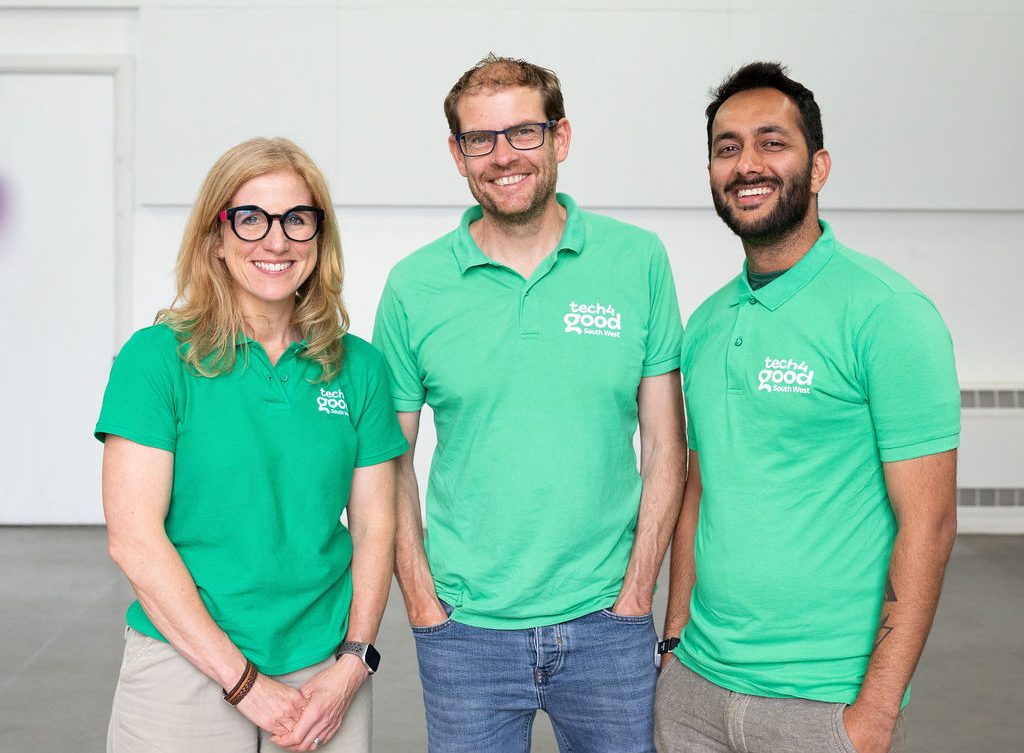
Annie Legge, Ed Howarth and Dhevesh Mewawalla of Tech4Good South West – photo: Tech4Good South West
To address the confidence gap, the organisation runs AI Living Labs, pairing charities with volunteer AI specialists. “The first question is always: what problem are you actually trying to solve?” Howarth said. “Just because you can use AI – doesn’t mean you should.”
Many organisations, he added, are values-driven and cautious. “It’s rarely a hard ‘no.’ More often it’s ‘we don’t know enough yet’.”
Bristol’s science centre, We The Curious, sees similar patterns. Staff say AI remains a marginal topic for many visitors, shaped by limited understanding rather than strong views.
“AI is a rapidly evolving area,” a spokesperson said, “which means we’re constantly exploring new opportunities and challenges.”
One of its activities, Research Island Rescue, asks participants to weigh the benefits of AI-generated ‘survival tips’ against the amount of water required to produce them – making the environmental costs of generative AI visible.
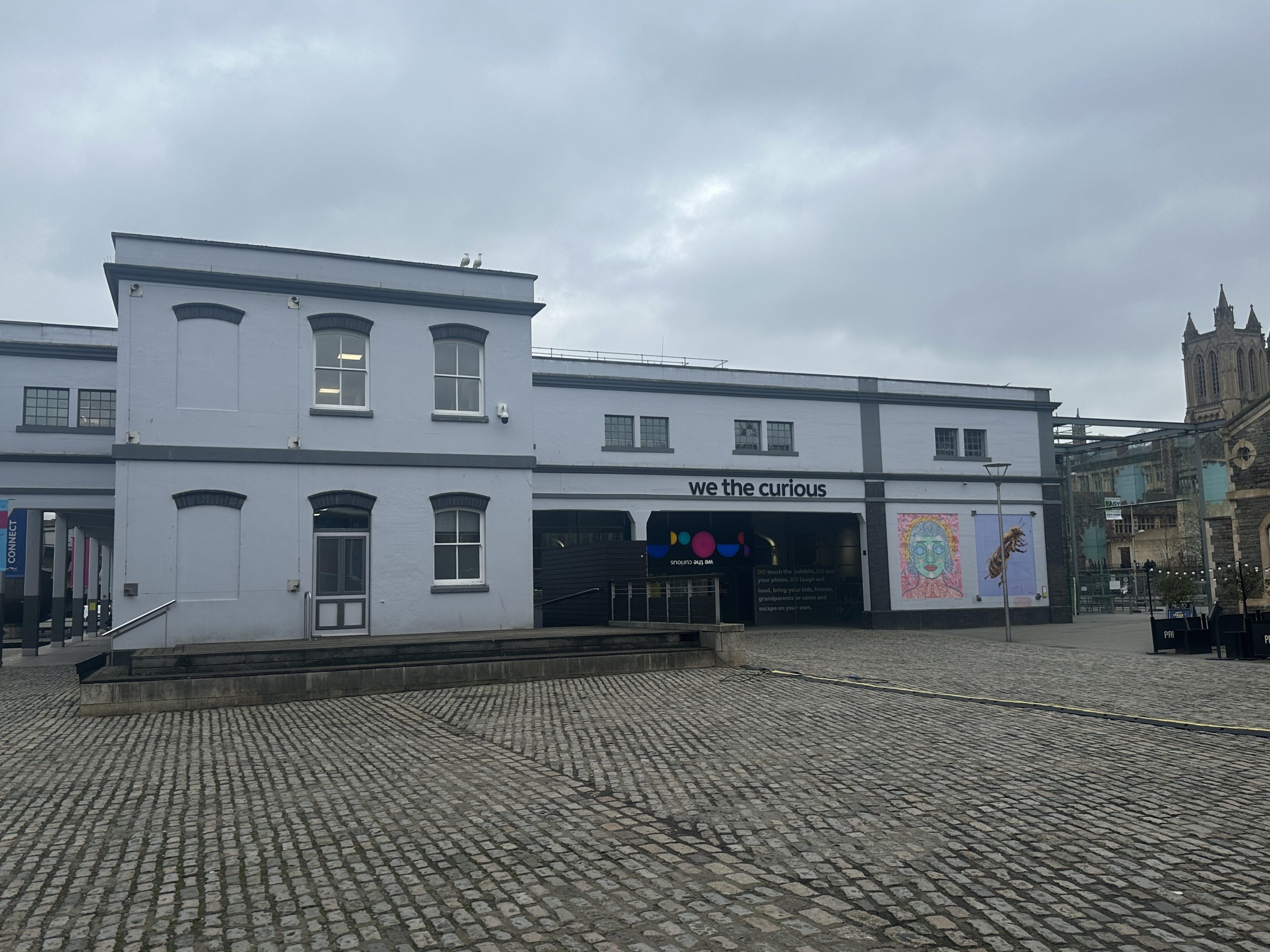
We The Curious are demystifying how AI is used across Bristol – photo: Carla Wakfer
Through the national Demystifying AI programme, We The Curious is now highlighting how AI is already used around Bristol – from animation workflows at Aardman to route planning for bin collections and transcription in healthcare.
Their goal is not to persuade people to like AI, but to help them understand where it operates and who decides how it is used.
The local picture reflects wider national trends surrounding trust and regulation.
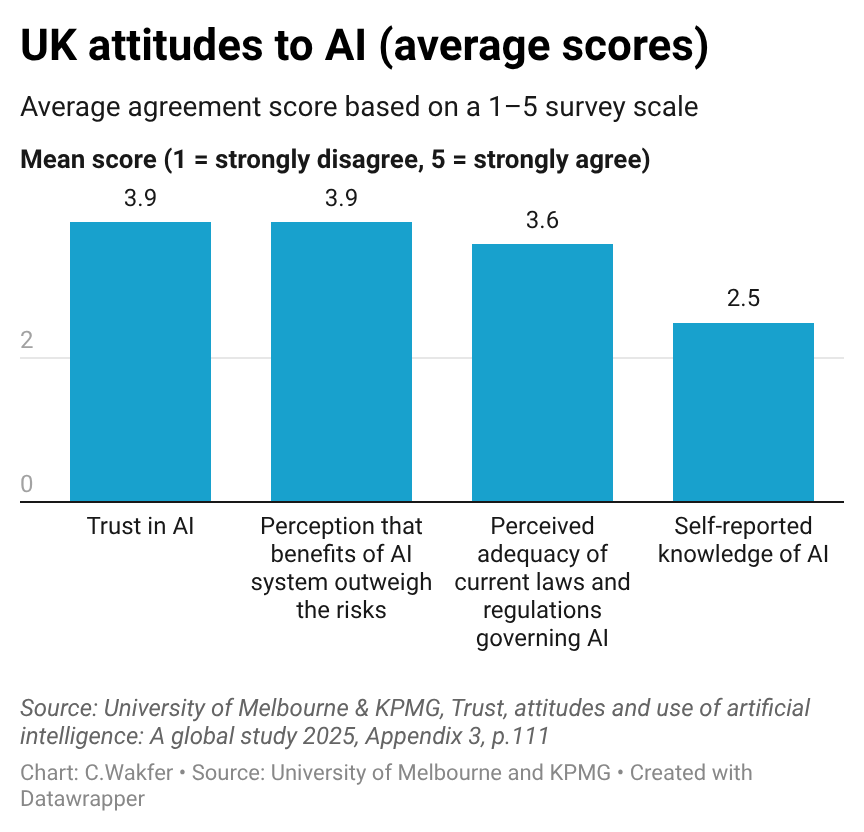
A UK sample within a global study by the University of Melbourne found that on a five-point scale, UK respondents gave ‘trust in AI’ an average score of 3.9 – suggesting caution rather than confidence. ‘Self reported knowledge of AI’ scored only 2.5.
Recently, the UK government has announced an AI training programme – with the aim of upskilling 10 million workers with key AI skills by 2030.
Professor Winfield said that stronger standards are essential: “I’m a big advocate for standards – regulation depends on them,” he said. “Just as aircraft are regulated using thousands of standards, AI should be too. Transparency is key.”
He noted that he was pleased that the bill on AI regulation has reached a third reading in the House of Lords.
For now, Bristol at least appears to be not rejecting AI outright, but waiting until its use feels transparent, justified and better understood before it makes up its mind.
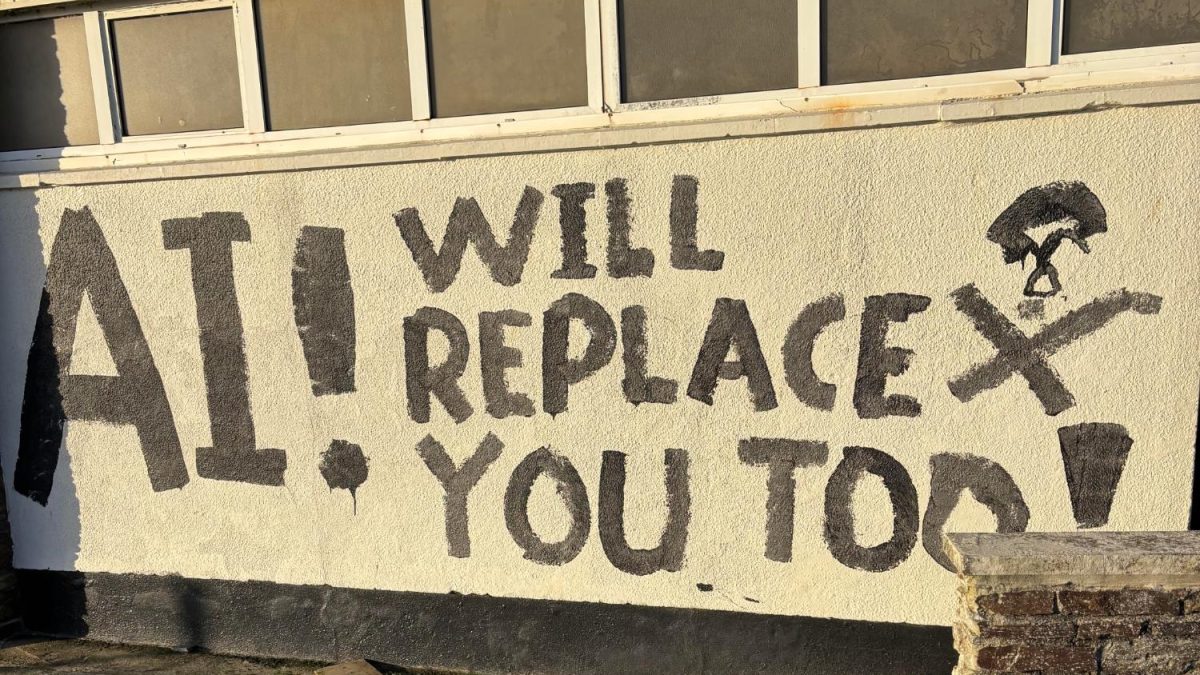
Main photo: Devon and Cornwall Police
Read next:
 Our newsletters emailed directly to you