Better Business / Member profile
‘A Better Bristol is rooted in community, food and sustainability’
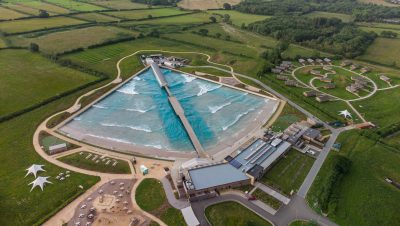
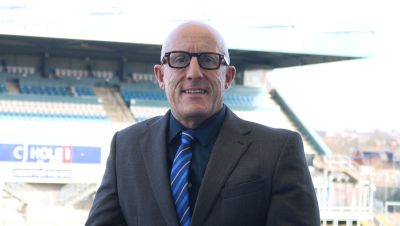
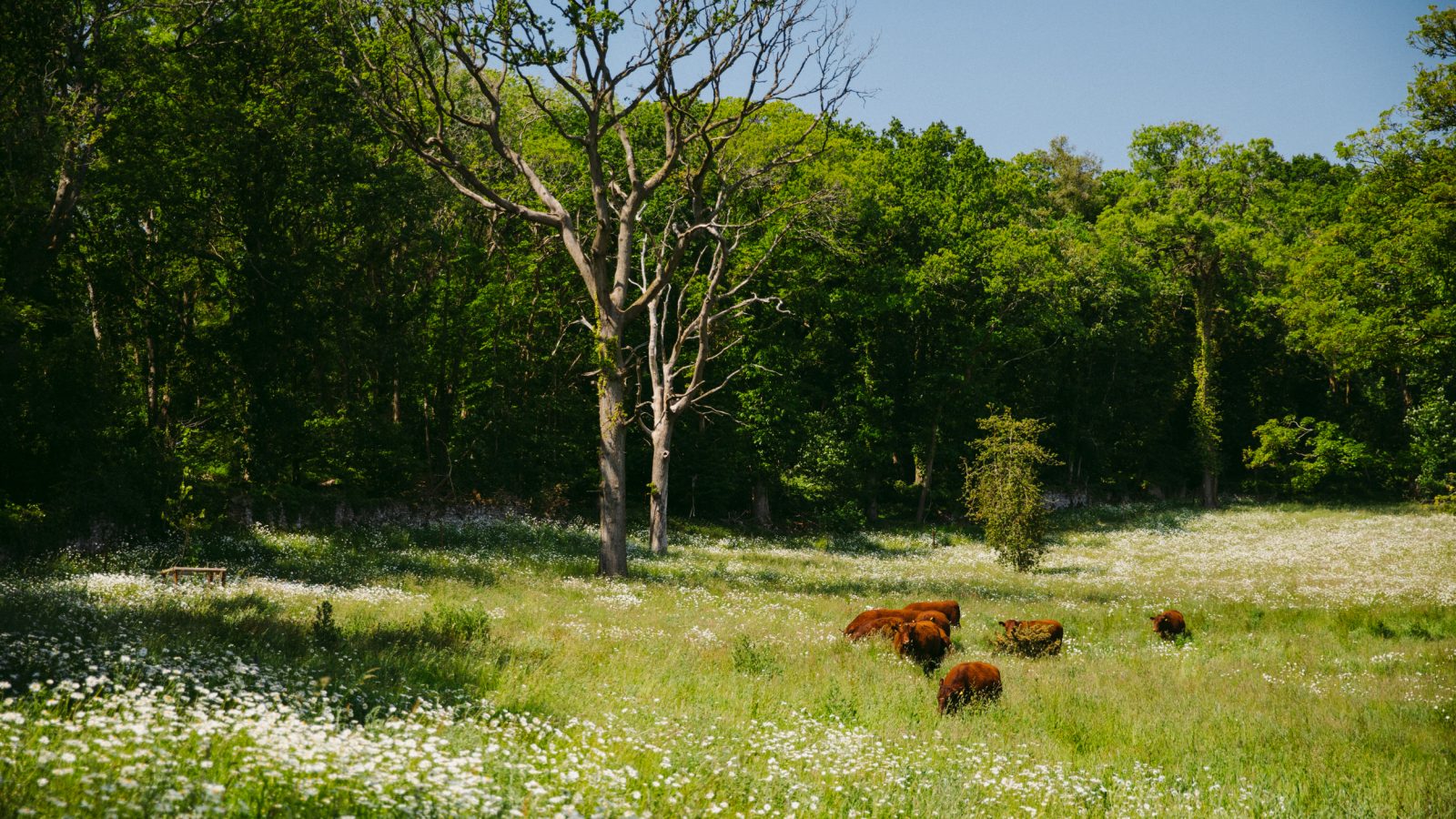
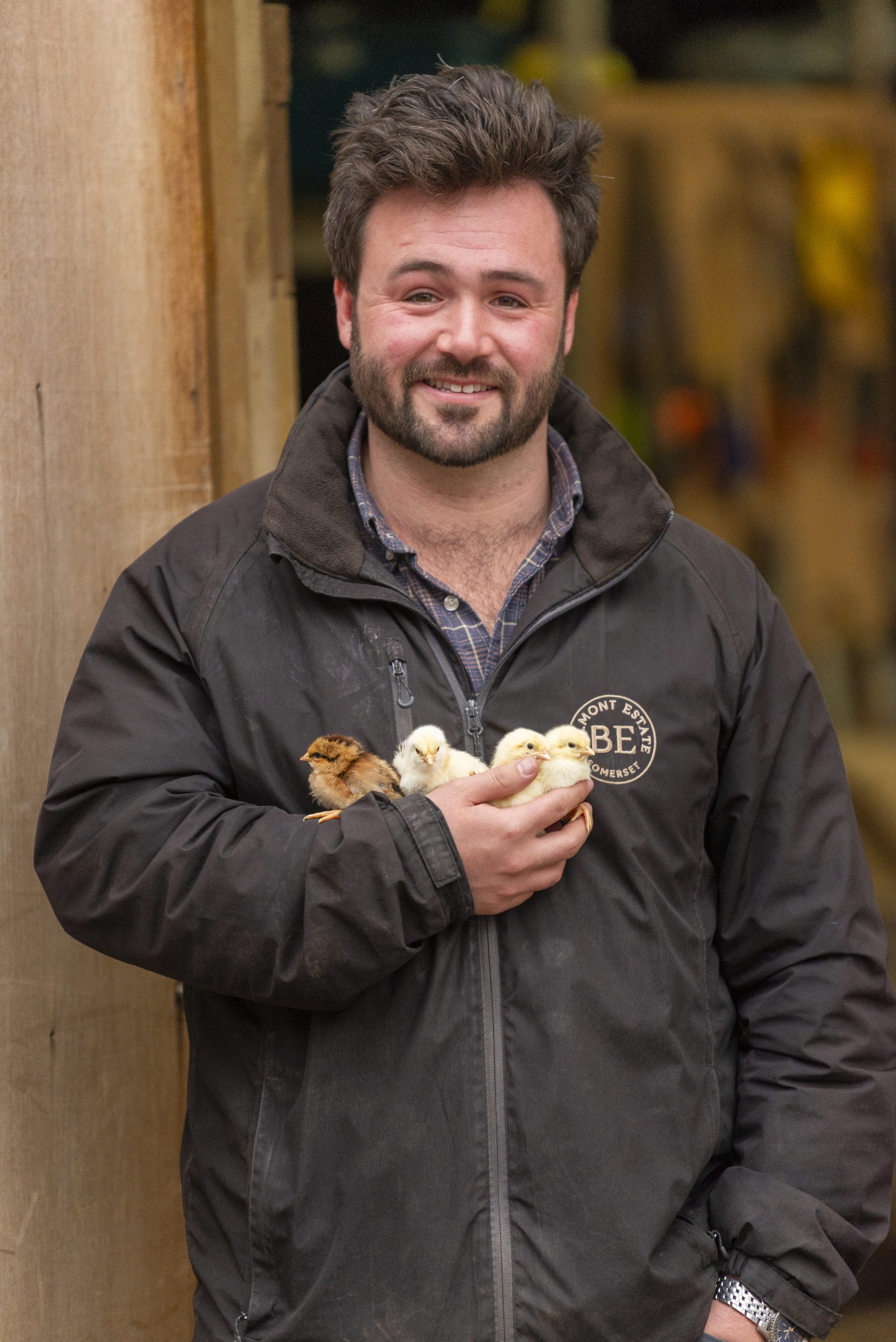
Henry Rossiter is the director at Belmont Estate, where he has played a key role in business development since 2014, helping to shape the estate’s growth and commercial strategy.
A graduate of the Royal Agricultural University in Food Production and Supply Management, Henry has also gained experience across logistics, packaging and entrepreneurship, including roles with Limewood Group and The Competition Ltd.
In 2025, Henry was appointed director of the Royal Bath & West of England Society, reflecting his growing influence in the region’s rural and agricultural sector.
What’s the one thing that inspires you to get up in the morning?
What motivates me most is the opportunity to be part of something bigger than myself: helping to shape a more sustainable and inclusive future.
Whether that’s through the work we’re doing as a business or the smaller, everyday interactions within the community, I’m driven by the idea that positive change is both possible and urgent.
Bristol, in particular, has always felt like a city where that kind of momentum exists — you can genuinely feel that people care, and that’s incredibly energising.
If you could pick one thing to change about Bristol, what would it be?
If I had to focus on one thing, it would be the transport network. Bristol is a relatively compact city, but getting around it efficiently and sustainably can still be a challenge.
Improving public transport connectivity, investing in active travel infrastructure, and making it easier for people to move without relying on cars would have a ripple effect, reducing emissions, improving air quality and making the city more accessible for everyone. It’s a foundational issue that underpins so many other aspects of urban life.
What does a Better Bristol mean to you?
A Better Bristol, to me, is rooted in community, food, and a renewed commitment to sustainability. It’s a city where local food systems are celebrated and strengthened, where people have access to healthy and locally sourced food, and where producers and small businesses are supported.
In 2015, Bristol was the European Green Capital; we need to embed sustainability back into the core of how the city grows and operates. Bristol has long been seen as a leader in this space, and I think a “better” version of the city is one that reclaims and accelerates that leadership, making sustainability not just a value, but a default.
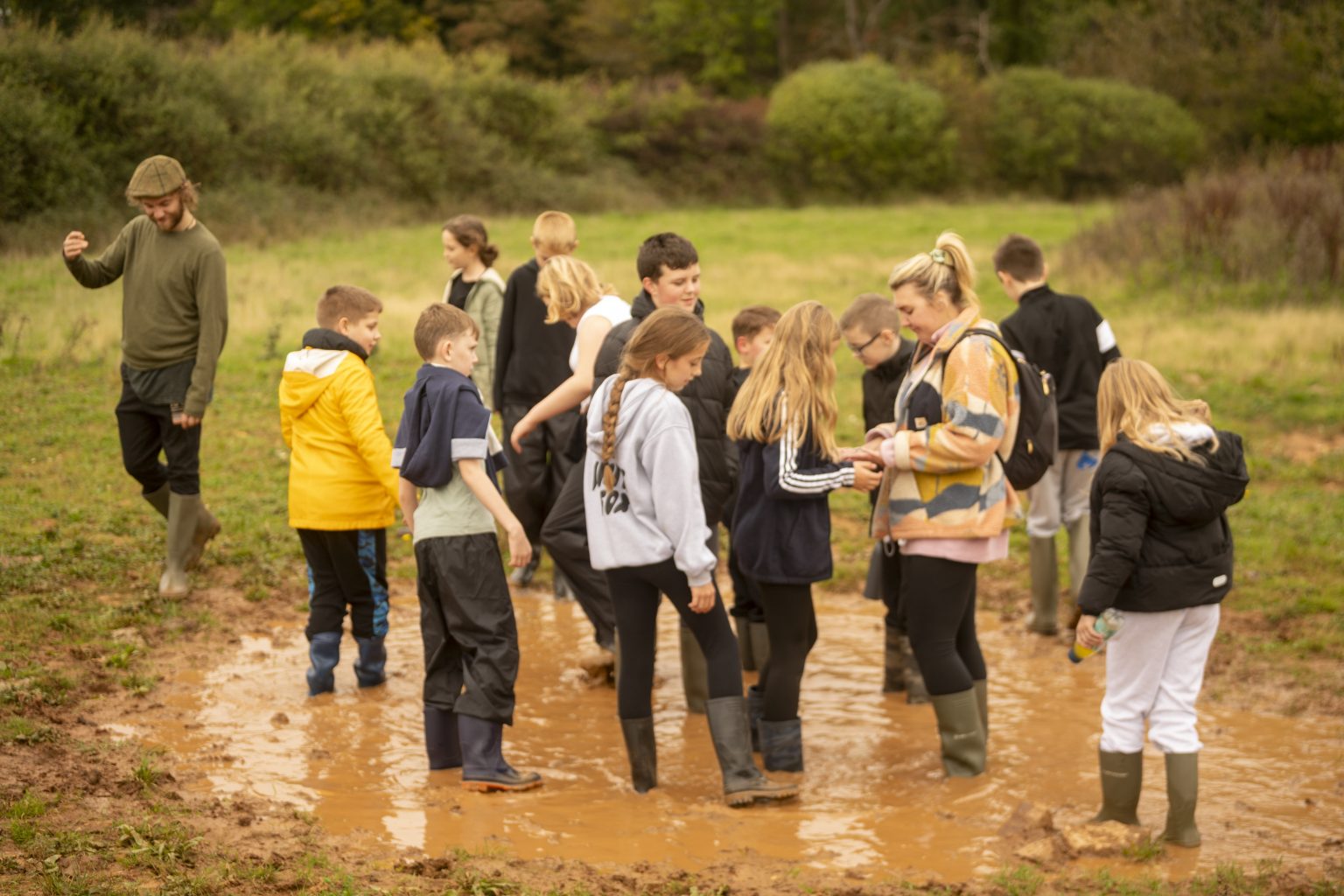
“What motivates me most is the opportunity to be part of something bigger than myself: helping to shape a more sustainable and inclusive future”
What action could you as an individual take? What action could your company take?
As an individual:
On a personal level, it’s about conscious choices — how I travel, what I consume, and how I engage with my local community. Supporting local businesses, reducing waste, and being more mindful about food are all small but meaningful actions. Just as importantly, it’s about using your voice to advocate for better systems and holding institutions accountable.
As a firm:
As a business, the responsibility and opportunity are much greater. It’s about embedding sustainability and social value into the core business model, not treating it as an add-on. That means thinking long-term, measuring impact properly, and aligning commercial success with positive outcomes for people and the environment.
It’s also about collaboration — working with other organisations, communities, and stakeholders across Bristol to create shared value. No single business can transform a city (or country) on its own, but collectively, there’s real potential to drive systemic change.
“A Better Bristol, to me, is rooted in community, food, and a renewed commitment to sustainability”
What do you want to see from the Bristol business community in the next five years?
I’d like to see a decisive shift towards “business for good” across organisations of all sizes — not just the larger or more visible companies, but SMEs and start-ups as well. That means moving beyond intention and into action: setting measurable goals, being transparent about progress, and holding themselves accountable, even when it doesn’t go to plan — as that’s OK. Sharing the journey is just as important to help others.
Ultimately, I’d hope to see a more collaborative, purpose-driven ecosystem — one where businesses actively contribute to the wellbeing of the city, its people, and its environment, and where success is defined by more than just financial returns.
All photos: Martin Hartley
Read next:
 Our newsletters emailed directly to you