Your say / Social Work
‘Social work is not a career for the faint-hearted or for those with thin skins’
World Social Work Week is a time to recognise the impact of social work and to reflect on the importance of social work in our society.
Social workers support people through some of life’s most difficult moments. We help individuals and families navigate poverty, safeguarding, mental ill health, disability, domestic abuse, homelessness, and the effects of trauma.
As a social worker, I have personally witnessed the realities that sit behind the statistics: children experiencing severe neglect, families living with hardship that no one should face, and adults carrying fear for years.
is needed now More than ever
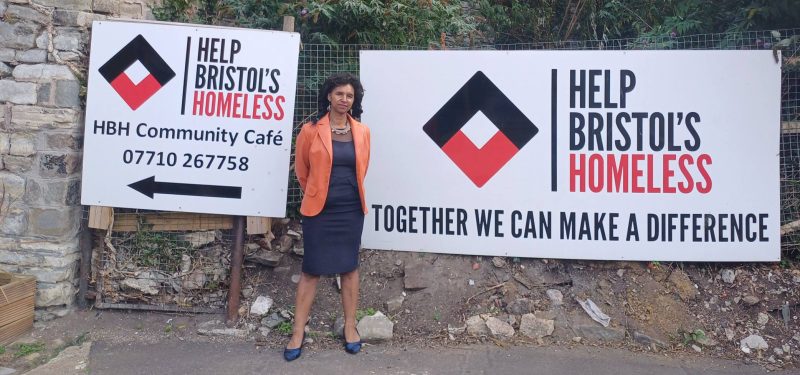
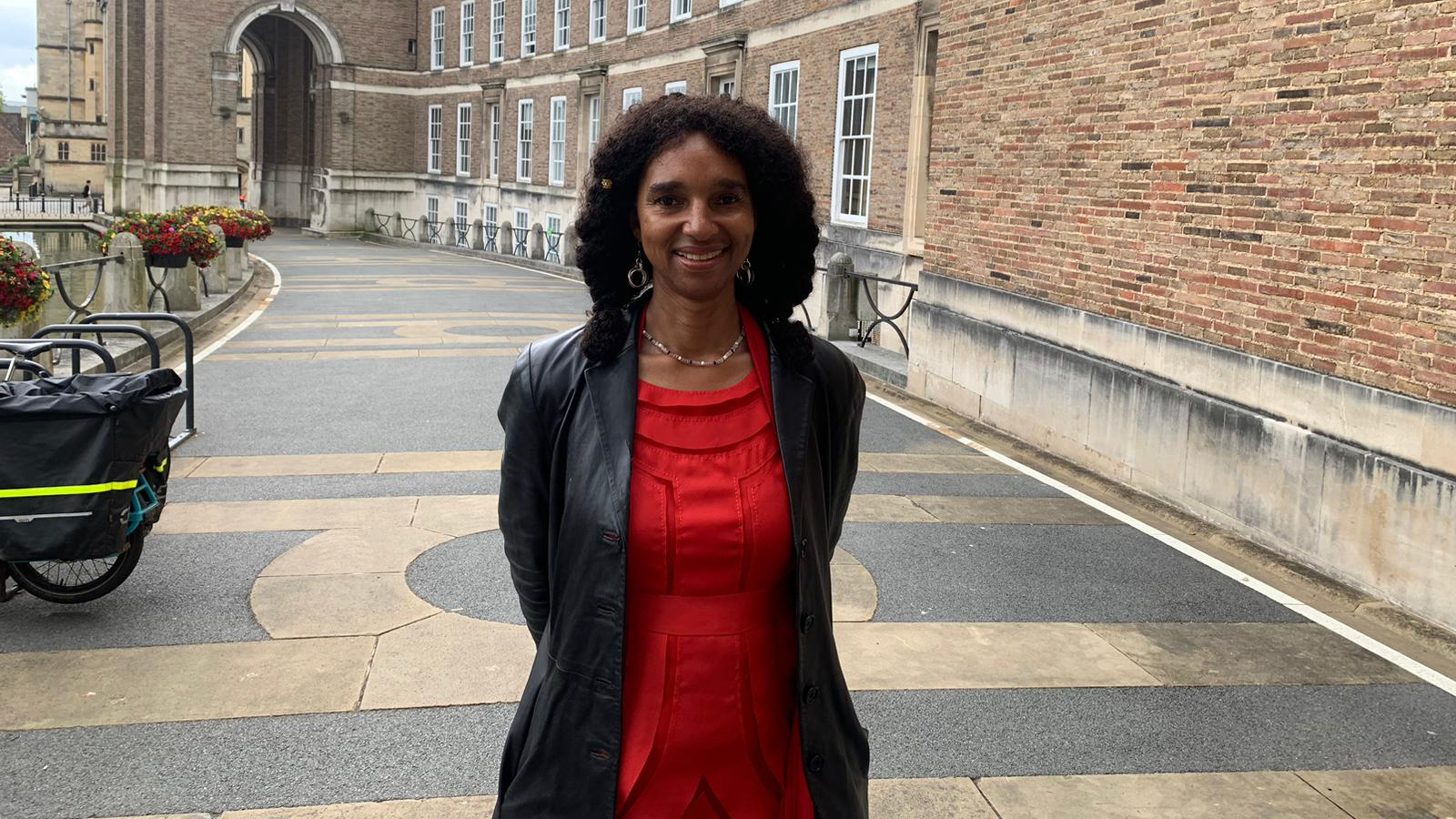
Carole Johnson says that as a social worker she has closely seen the “realities” behind the statistical figures
I have seen women find the courage to leave domestically abusive partners after decades of suffering, and I have met some of the bravest children—those living with life-limiting conditions—who continue to show remarkable strength. These moments stay with you.
Making a difference in these situations is the reason social work matters.
I am not only proud to be a social worker myself because I see our work make a tangible difference to some of society’s most vulnerable, but also because I am constantly inspired by my colleagues on the frontline.
This is not a career for the faint-hearted or for those with thin skins, so I would like to take the opportunity to recognise the great work being completed by social workers to improve people’s life chances.
Across the UK, social work is delivered in diverse settings. From local authority children’s and adults’ services to hospitals, schools, charities and community organisations. While systems and legislation differ across nations, the shared commitment is the same: to reduce harm, expand choices, and support people to live with safety and dignity.
Social work is demanding, emotionally complex and often carried out under intense scrutiny. Day in, day out, social workers work hard to ensure that children, families and vulnerable adults are supported and, where there are safeguarding concerns, kept as safe as possible from risk of harm.
That means balancing care and control, making difficult decisions with incomplete information, and holding hope for people even when circumstances feel overwhelming.
Social work is rooted in human rights, dignity, and the belief that everyone deserves support and opportunity.
It strengthens solidarity. It connects practitioners, students, people with lived experience, and allies across services and communities. It encourages action. It creates space to advocate for better policies, resources and conditions that protect and empower people.
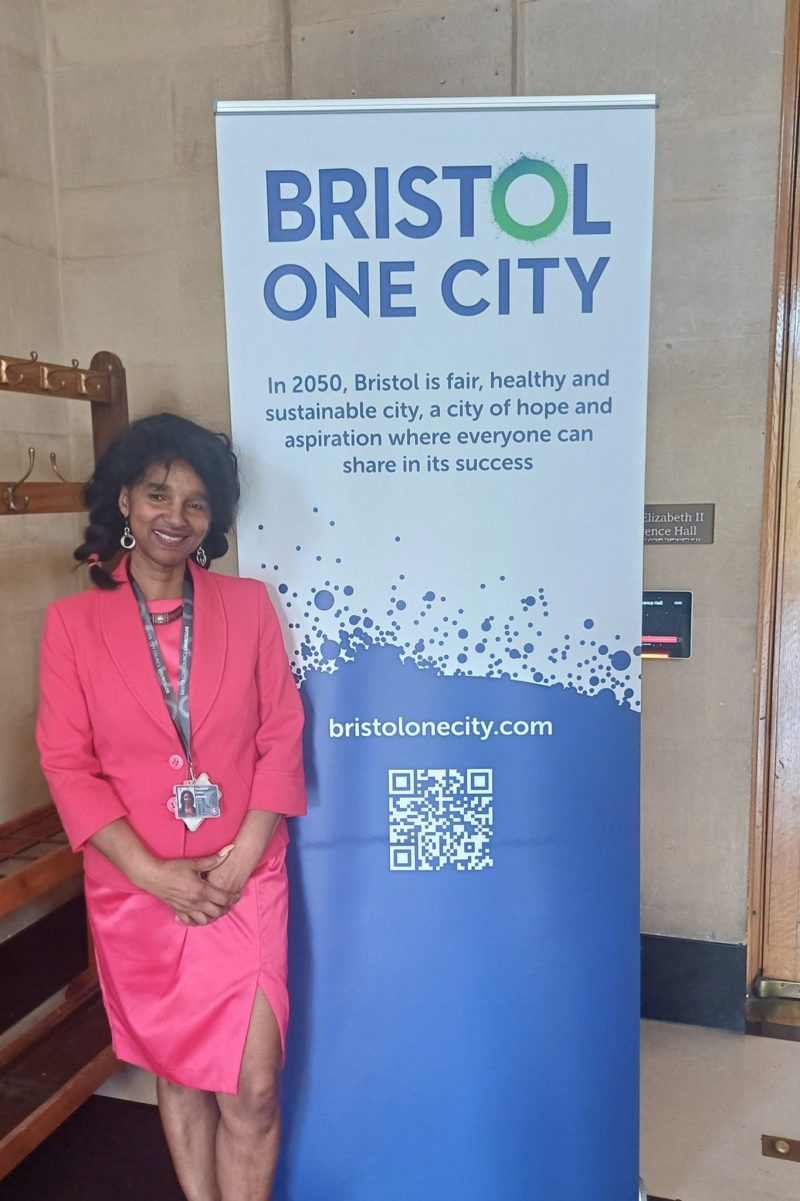
Carole Johnson was previously the councillor for Ashley between 2016 to 2021
Marking World Social Work Week through these values keeps the focus on improving lives and widening opportunities. A strong approach begins with early help and prevention, stepping in before problems escalate by investing in family support, youth services, and accessible community provision that strengthens neighbourhoods.
Likewise, there must be a compassionate focus on safeguarding and protecting children and adults through strengths-based, trauma-informed practice.
Mental health and wellbeing should also be prioritised, supporting recovery, tackling stigma, and improving access to timely care.
At the same time, we need to address economic hardship by confronting the impacts of the cost of living, insecure housing, debt, and food insecurity on families and communities, while working to reduce the inequalities these pressures create.
This must be underpinned by anti-racist and anti-oppressive practice, actively challenging discrimination and ensuring services are equitable and culturally responsive.
Finally, workforce wellbeing. By investing in social work, we can ensure social workers have manageable caseloads, effective supervision, and psychologically safe workplaces enabling staff to deliver the best possible support.
Part of the reason I stood to be a Labour councillor is that my values of social justice, equality, solidarity and community closely match the everyday purpose of social work. These values show up in practical ways, through listening to people with lived experience, protecting children and adults from harm, supporting families under pressure, tackling poverty and exclusion, and speaking up when systems are unfair.
This World Social Work Week, let’s celebrate the skills and values that underpin social work, and commit to working towards the conditions that make good practice possible. Whether you are a practitioner, student, partner organisation, or community member, you can play a part by listening, learning, challenging inequality, and supporting the people and services working to keep communities safe and hopeful.
This is an opinion piece by Carole Johnson, deputy leader for Bristol Labour and councillor for Horfield
All photos: Carole Johnson
Read next:
 Our newsletters emailed directly to you