Your say / mental health
‘Many people who could use vitally important help are falling through the cracks’
We need to have a bit of a chat, you and I, about mental health.
It’s Mental Health Awareness Week so, if there ever was the time, it’s now.
I’m going to start it off a little differently though, because I want to talk about what I think is a bit of a bad habit in a lot of opinion pieces.
is needed now More than ever
All too often, writers across all kinds of media will say we’re not talking about something, or question why it is we aren’t having this conversation.
I don’t think that’s true for mental health: we’re having lots and lots of conversations about mental health.
It’s one of the great crises in our country (along with housing, cost of living, energy prices and many others) and it’s something that almost by definition is talked about a lot.
It’s also not true, I want to swiftly add, that we’re not having conversations about different kinds of mental health.
We talk about the crisis in women’s mental health, men’s mental health, even children’s mental health; we talk about growing depression, of male suicide, of anxiety and the way Covid did a number on us all.
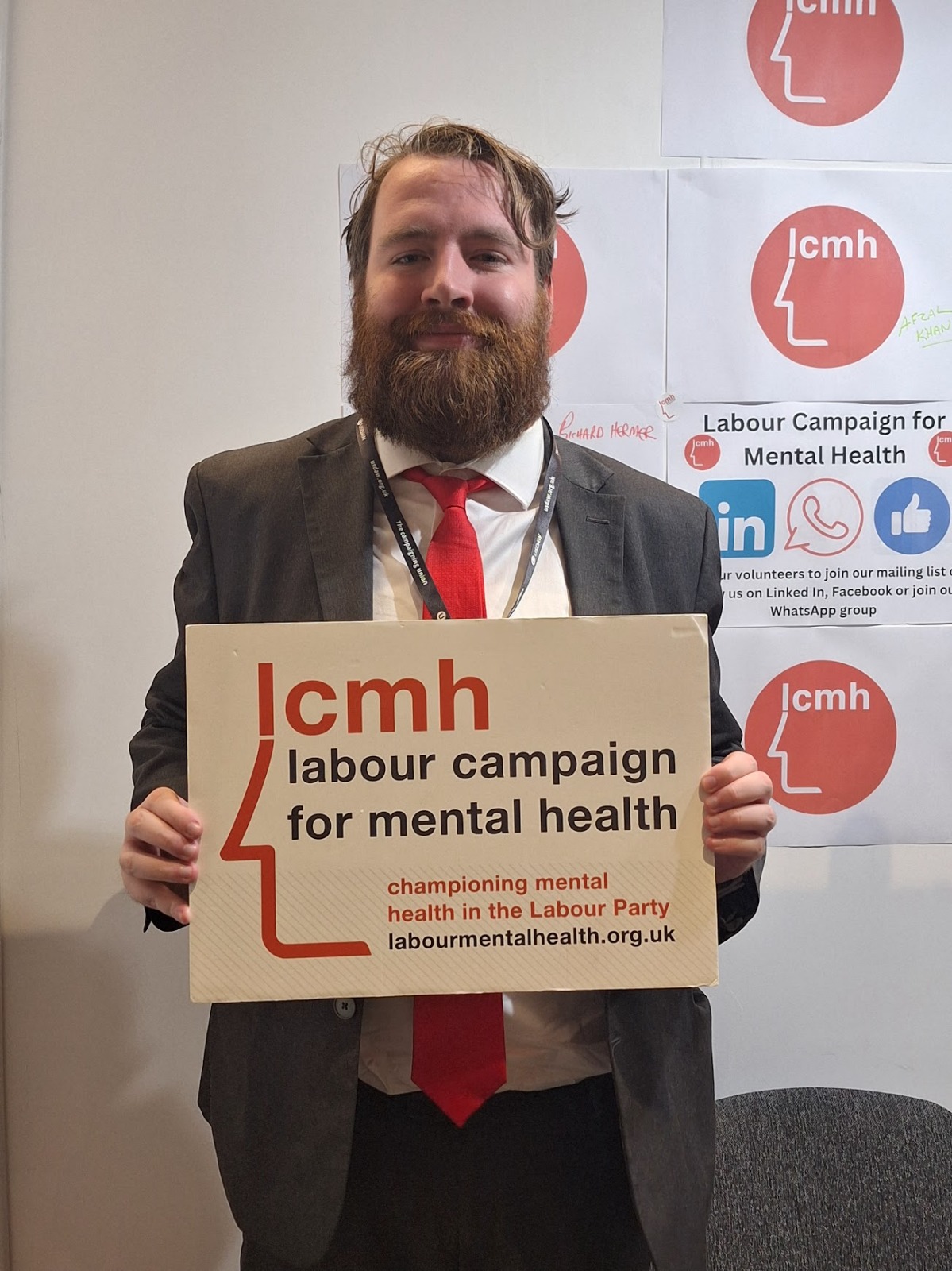
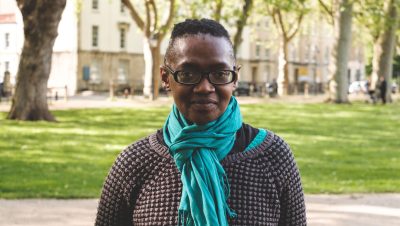
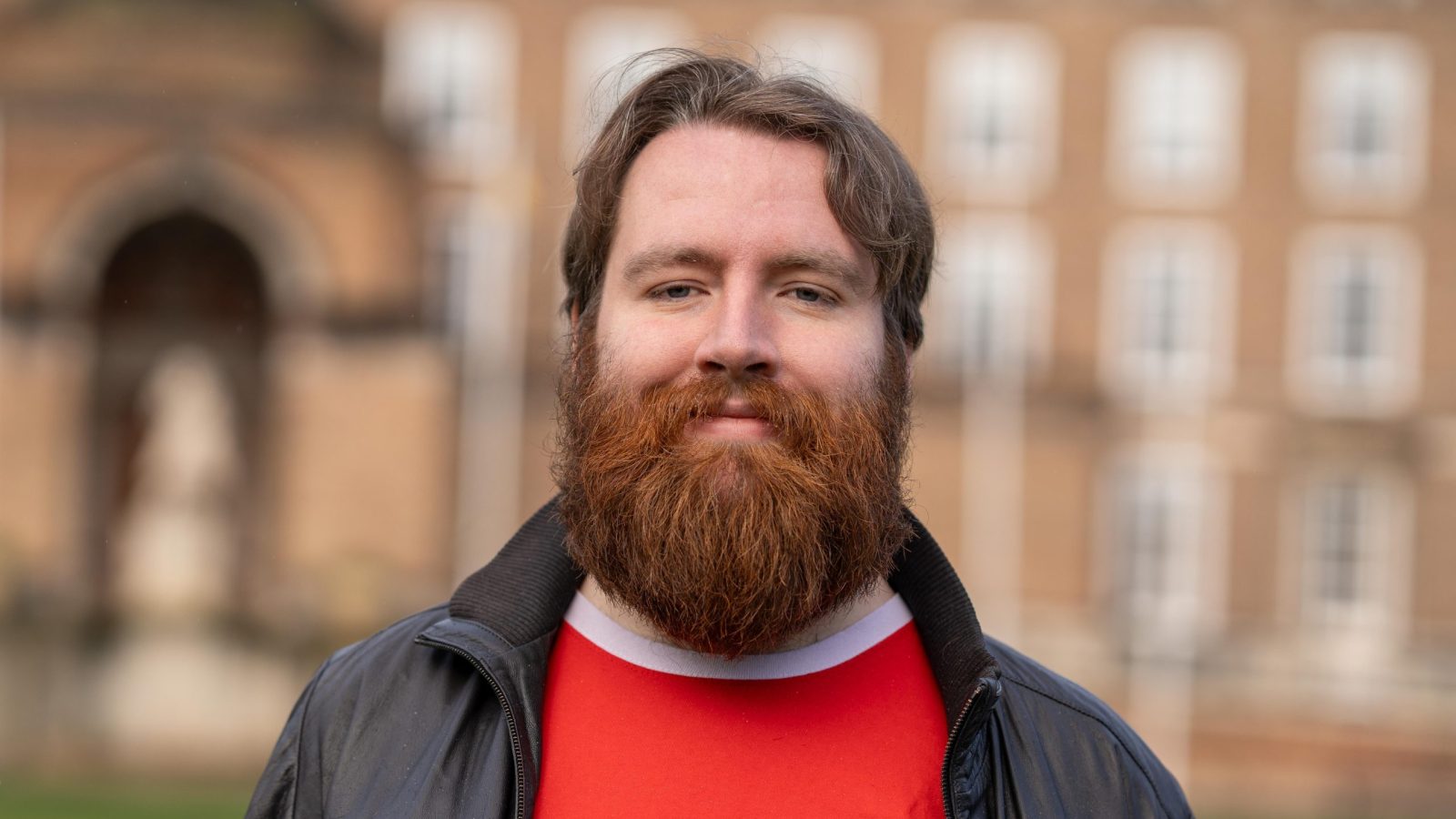
Tom Blenkinshop is the Labour councillor for Avonmouth and Lawrence Weston – photo: Bristol Labour Group
We writers do a lot of talking about so many things. What we don’t see quite so much of is doing.
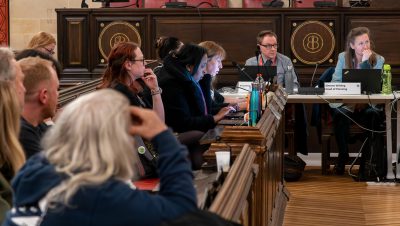
As elected councillors, we want to change that. This January, Bristol City Council agreed and backed a Labour motion – one I co-authored – on mental health and its importance to Bristol as a city.
We have pledged to redouble its commitment to suicide prevention and mental health support, refresh its strategies and ensure council staff and councillors are able to undertake mental health training.
But, dear reader – there’s always a but at some point – I want to raise a few things for you to consider.
About who’s doing what and for who. Because there are, I worry, a fair few people who are falling through the cracks.
We have a fantastic offering on mental health for night-time workers.
However, much of our focus is on cultural and entertainment workers.
What about the night-time staff in Southmead hospital, or those in the emergency room at the BRI at 3am?
What about the warehouse workers in Avonmouth?
Some good news – we explicitly pledged to improve their support as part of the motion. This is only the beginning though and they’re not the only ones at risk.
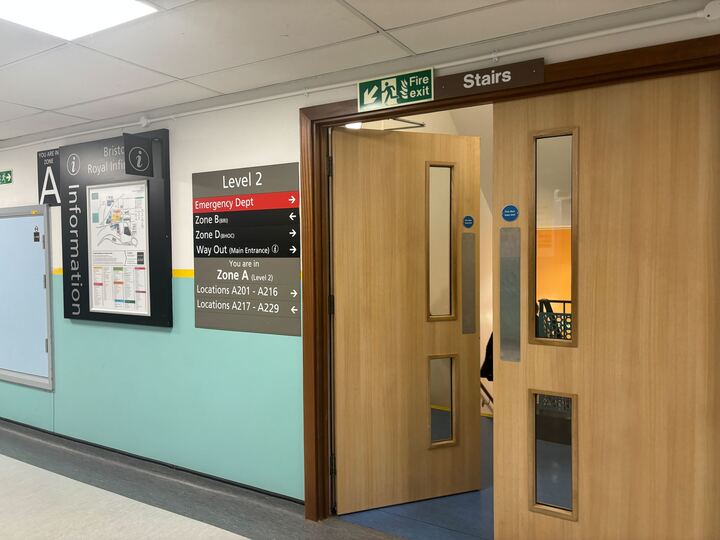
Do we pay enough attention to the mental health of NHS staff? – photo: Seun Matiluko
Young men’s mental health has been all over the news since Netflix drama Adolescence aired.
Like I say, it’s one of those things we’ve actually talked about quite a lot. But what’s in place for young men, particularly young men from working class backgrounds?
They count, and they matter, and they deserve our support.
I also mean young men from Hartcliffe, from Lawrence Weston, from Lawrence Hill; what can we call a cohort except deprived and neglected when they consistently struggle in every metric and have such little support?
Of course, there are other groups too.
Students, often quite far from home and divorced from support networks, can have plenty of mental health crises.
I speak from unfortunate experience.
Those in temporary accommodation often find themselves struggling and, while we do have a number of programmes in place, by their nature they’re often detached from their communities and support networks too.
Lastly, it would be remiss of me not to mention carers, especially young carers.
There was another excellent motion on this passed recently – I commend the Lib Dems on bringing it forward – and this is another demographic whose needs are typically overlooked.
Care work is difficult, the carer’s allowance doesn’t stretch far and their own health needs often come second.
A great many people who could use help, vitally important help, are falling through the cracks.
I’ve talked a lot, written a lot. But, to borrow from a common phrase, what is to be done?
How can we help these people in particular?
The Labour Government is providing more resources and a new Mental Health Bill to tackle the ongoing problems, assess where there are gaps in provision and hire 8,500 more mental health professionals.
In addition, it has committed to placing a mental health professional in every school and establish open-access mental health hubs, known as Young Futures Hubs, in every community.
As far as the council is concerned, I’m keen to build on some of the programmes we already have in place: expanding our night-time provision to support our NHS workers and those in logistics or industrial work, putting in place youth provision (especially in deprived areas) and supporting the work of our partners both in the NHS and charity sectors.
But what you and I can both do is reach out to those in our lives who, just maybe, haven’t felt able to speak up.
People who have fallen through the cracks themselves.
We can ask if they’re okay, we can offer kindness.
It’s not the be-all and end-all, by any means.
But it’s a start.
If you or a loved one are experiencing mental health issues, here are just a few of the organisations in and around Bristol which can help: Bristol Mind, Samaritans, Citizens’ Advice and Avon and Wiltshire A-Z of Services. If you are experiencing suicidal thoughts, reach out to Samaritans on 116 123 or to emergency services on 111.
This is an opinion piece by Tom Blenkinshop, the Labour councillor for Avonmouth and Lawrence Weston
Main photo: Bristol Labour Group
Read next:
- ‘Our services are for everyone’ say Samaritans
- Charity calls for urgent mental health reform for young abuse victims
- Bristol nighttime workers asked to share mental health insight
 Our newsletters emailed directly to you