
Your say / climate change
‘For our bodies to be healthy, fractions of a degree matter – yet we have increased temperatures by 1.4 degrees’
We are in the middle of a lengthy July heatwave, caused by the climate crisis and following ones in both May and June.
Thousands of deaths have resulted.
On June 26, record UK temperatures reached or exceeded the average human body temperature of 37 degrees. This is significant because that is when our bodies lose the ability to shed excess heat through passive radiation or conduction.
is needed now More than ever
Heat loss from our bodies then depends on the evaporation of sweat. In short, it gets much harder to stay cool and retain a safe, healthy core body temperature.
Like our planet, our bodies operate healthily in a narrow temperature range where fractions of a degree, let alone one or two degrees off normal, really matter.
Yet we have caused the global average air temperature near Earth’s surface to increase by 1.4 degrees.
Our activities, like burning fossil fuels, deforestation and mass animal farming, release gigatonnes of greenhouse gases into the atmosphere every single year. That’s billions of tonnes, pushing massive changes in our climate.
The result is extreme events like heatwaves, storms, floods, wildfires; disruption to key infrastructure lik hospitals; and changes in disease patterns. All of that affects our health.

The heatwaves have contributed to thousands of deaths – photo: Martin Booth
Human bodies and the Earth’s climate system are both complex, interconnected systems with several similarities in how they maintain balance and respond to changes.
Both systems have mechanisms for regulating temperature, support structures and internal fluid transport, and responding to external factors. The climate system acts as if it were a living system, just like our human bodies.
With our average temperature sitting at 37 degrees, a temperature of 38 degrees or higher is considered a fever while a drop below 36 degrees is hypothermia and a medical emergency. Just like our planet, the change of a single degree is significant.
For the body to passively cool down, the surrounding air must be cooler than the skin. But if it is hotter, the only remaining mechanism is to produce sweat and use evaporation to lower body temperature.
Humidity matters greatly here, as does something called the wet-bulb temperature. This is a measure of the lowest temperature to which air can be cooled by the evaporation of water.
When the wet-bulb temperature reaches a certain point, perhaps as low as 31 degrees, non-survivable conditions can begin.
That’s because the air is too saturated for sweat to evaporate, creating lethal conditions even for healthy, resting individuals.
Prolonged exposure or physical exertion in very hot and humid can lead to severe health issues like heat exhaustion and heatstroke, the latter of which can be fatal.
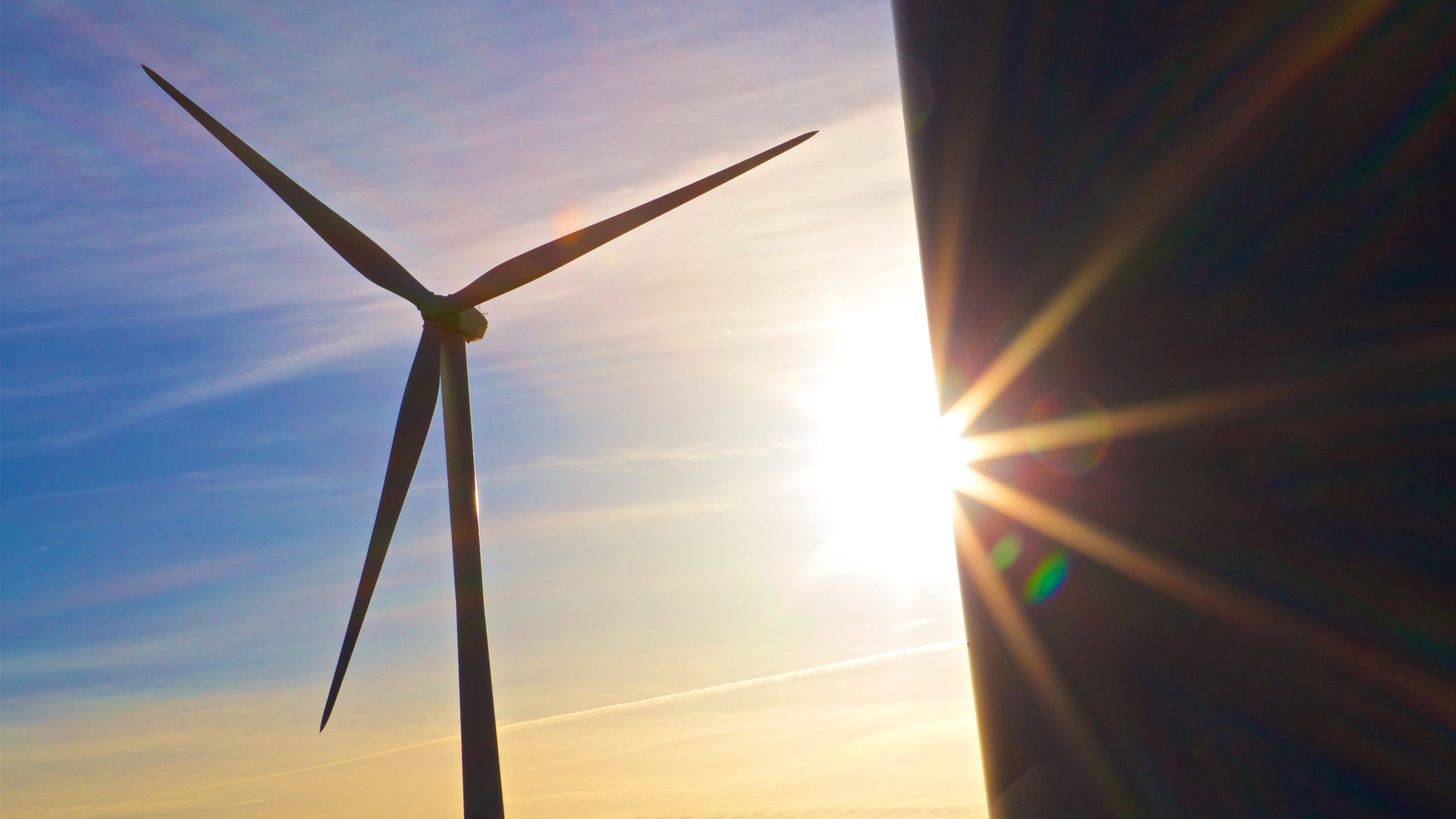
People aren’t changing their lifestyles fast enough – photo: Thrive Renewables
Aside from temperature, both human bodies and our planet respond to changes in their environment.
People adapt to different climates by choosing to adjust their behaviour, their social, economic, environmental and political goals and actions.
They are adapting to climate change by migrating to new areas, developing new technologies and warning systems, and modifying their lifestyles, albeit far too slowly as the Climate Change Committee warn.
Meanwhile, Earth’s climate system responds to changes in solar radiation, greenhouse gas concentrations, and factors like land use changes.
The human body and the Earth’s climate system are complex, interconnected systems that must maintain a dynamic balance to function healthily.
Understanding the similarities and differences between these systems can help us better understand both human health and the challenges of the climate crisis.
This piece is by Glenn Vowles, a long-time Bristol Green Party campaigner and an environment tutor at the Open University. Glenn blogs at conserverliving.blogspot.com
Main photo: Martin Booth
Read next:
 Our newsletters emailed directly to you