Your say / Islamophobia
‘Do we need a new definition of anti-Muslim hate or courage to implement what already exists?’
The government has announced a new definition of what it calls “anti-Muslim hostility”. Any acknowledgement that hatred towards Muslims exists and needs addressing is welcome. But if I’m honest, my first reaction was simple: why are we starting again?
For years there has already been a clear and widely supported definition of Islamophobia.
The All-Party Parliamentary Group on British Muslims produced a definition that has been recognised by many councils, organisations and institutions across the country. The Runnymede Trust has also been doing serious work on anti-Muslim racism for decades.
is needed now More than ever
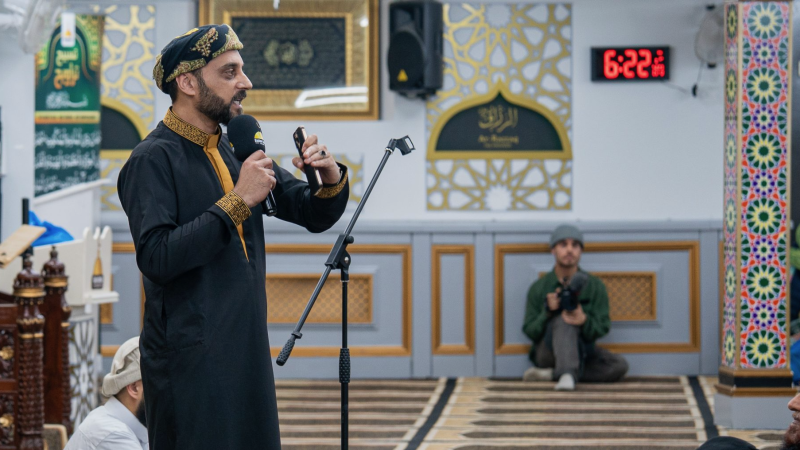
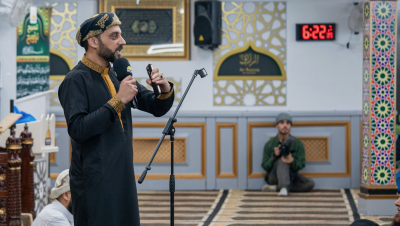
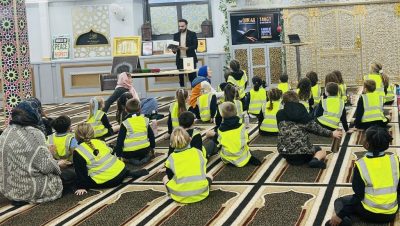
Abdul Malik is the chair of Jamia Mosque in Easton, which hosts a grand iftar celebration at the end of Ramadan every year – photo: Abdul Malik
These are not fringe ideas. They were developed through consultation with academics, community leaders and Muslim organisations. Many people in public life have already accepted them in practice.
So the real question is this: do we really need a new definition, or do we need the courage to implement what already exists?
Across Britain, anti-Muslim hatred has been rising. Mosques receive threats. Muslim women wearing hijab are abused in the street. Muslim councillors and public figures face hostility online and offline simply because of who they are.
I know this personally.
As a councillor in Bristol and as chair of a mosque, I have received hate mail telling me to “go back home”. The irony is that Britain is my home. I was born here. My life, my work and my service are here. Yet messages like that are increasingly common for Muslims in public life.
What concerns many people in our community is that the conversation often gets stuck on language rather than action.
Let me be clear. Protecting Muslims from hatred does not mean shutting down debate. In a democracy, people must be free to discuss religion, politics and international events openly. Muslims themselves hold many different opinions.
But there is a clear line between debate and demonisation. When Muslims are constantly portrayed as a threat, when conspiracy theories about Muslim communities circulate unchecked, and when an entire faith community is spoken about as if it is suspect, the consequences are real.
Those narratives feed hostility on our streets.
At a time when tensions in the world are high and communities in Britain are feeling the impact, what people need from the government is leadership and fairness. Muslims want the same protection and seriousness that other forms of racism rightly receive.
We do not need endless new wording. We already have definitions that communities recognise and institutions understand.
What we need now is implementation.
British Muslims are not asking for special treatment. We are asking for equal protection, equal recognition and the confidence that when hatred targets our communities, it will be taken seriously.
The wheel already exists.
It is time to use it.
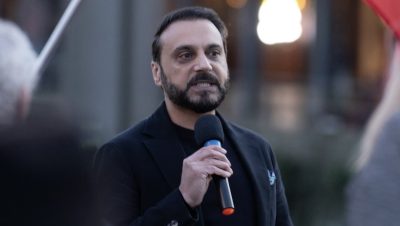
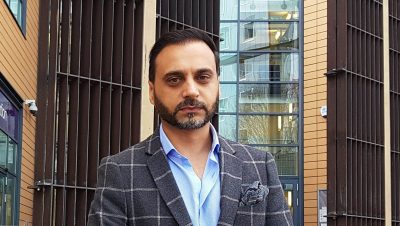
This is an opinion piece by Abdul Malik, Green councillor for Ashley and chair of Jamia Mosque in Easton
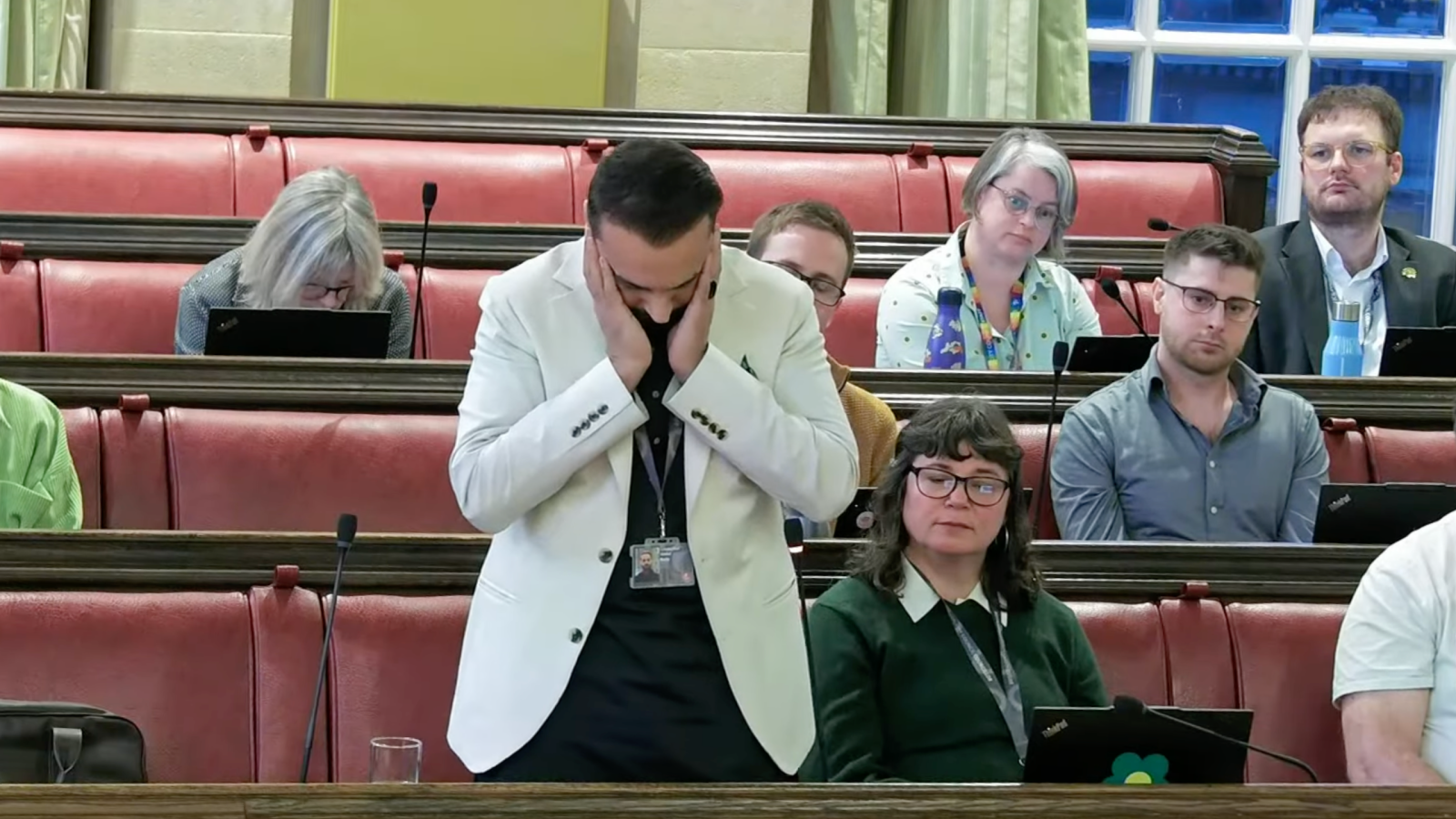
Main photo: Bristol City Council
Read next:
 Our newsletters emailed directly to you