Your say / bbc
‘BBC Bristol needs to move beyond Clifton to engage with the whole city’
As debate over the BBC’s future funding model intensifies ahead of its Charter renewal in 2027, the question is no longer whether the corporation should change, but how?
What kind of public broadcaster does Britain need over the next decade and how well does the BBC currently serve the people who pay for it?
For Bristolians, these questions feel especially urgent. The BBC may be a national institution but it also has a local footprint.
is needed now More than ever
Its relationship with Bristol and the communities within our city reflects wider issues of representation, relevance and value for money. At a moment when public trust is fragile, a bold rethink is overdue.
A move from Clifton
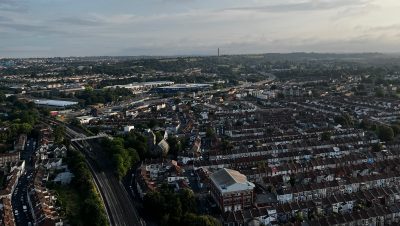
The BBC’s Bristol presence has long been centred on Whiteladies Road in Clifton, one of the city’s most affluent areas.
While relocating the Natural History Unit to Finzels Reach, a more central and neutral location, was a positive step, most of BBC Bristol remains in Clifton.
This creates both a symbolic and practical disconnect from working-class and diverse communities in areas such as Southmead, Easton and Hartcliffe.
The very name ‘Whiteladies Road’ (despite its name likely coming from a former pub) feels jarring in today’s multiracial city.
Beyond semantics, the BBC’s presence in such a privileged enclave perpetuates a sense of exclusion among those who feel it does not speak for them.
Proposal: Relocate more BBC Bristol operations to central or community-rooted areas such as Knowle West, St Paul’s or the new Temple Quarter. This would signal a commitment to serving the whole city.
Local failure, community triumph
Despite its public service remit, the BBC often struggles to reflect local realities.
In Bristol, independent community radio stations such as Ujima and BCfm do more with far less. They amplify marginalised voices, tackle local issues directly and showcase grassroots talent.
By contrast, BBC Radio Bristol can feel distant, cautious and uniform.
Since 2023, cuts to local radio have pushed programming towards syndicated national content, weakening local character.
The recent appointment of Joe Sims, a proud Bristolian, as breakfast show host is welcome, but it also raises a question: why did it take so long for someone from the city to lead its most listened-to programme?
Proposal: Rather than compete with underfunded community broadcasters, the BBC should collaborate with them. Co-production, shared studios and pooled resources in underserved areas would stretch public money further and strengthen local media. A portion of the licence fee could be ringfenced for partnerships with independent outlets, especially those run by and for underrepresented communities.
Do less, do better
Nationally, the BBC is pulled in too many directions. From Strictly Come Dancing to live sport, it competes with global entertainment giants like Netflix, Sky and Amazon while also claiming to be the country’s most trusted news source.
Is this breadth sustainable or desirable?
The BBC spends hundreds of millions of pounds each year on sports rights including Premier League highlights and Wimbledon.
It operates more than 60 radio stations and multiple television channels, many with overlapping remits.
Meanwhile, investigative journalism, regional reporting and specialist expertise continue to be squeezed.
Senior pay remains controversial. In 2024-2025, Gary Lineker earned around £1.35m for Match of the Day, while Zoe Ball earned over £500,000 and Alan Shearer around £440,000.
Some commercial contracts remain undisclosed. For a publicly funded broadcaster, these figures raise questions about priorities and transparency.
Proposal: The BBC should scale back in entertainment and sport, refocusing on what it does best and what the market fails to provide. High-quality journalism, education and factual programming should be central. It should also nurture talent from across the UK through apprenticeships, open commissions and regional incubators rather than expensive celebrity contracts.
A global asset
The BBC World Service remains one of Britain’s most powerful soft power tools.
Broadcasting in more than 40 languages to around 400m people weekly, it provides trusted information in regions where free media faces constant threats.
Yet it is chronically underfunded. Transferred to the licence fee in 2014, it became vulnerable to domestic budget pressures, leading in 2023 to hundreds of job losses and cuts in key languages.
Proposal: The World Service should be funded directly by the Foreign Office. This would recognise its diplomatic value, ensure long-term stability and free up licence fee income for UK-focused services.
Funding the future
The licence fee, currently £174.50 per household per year, is under growing strain.
Younger audiences prefer streaming, many households question the fairness of a flat charge and recent editorial controversies have damaged trust.
The government has launched a consultation on alternative funding models ahead of 2027, including advertising, subscriptions or tiered pricing.
Each option carries risks. Advertising could blur the BBC’s public service identity, subscriptions could undermine universality and variable pricing may create a two-tier broadcaster.
The greater risk is deciding how to pay for the BBC before agreeing on what it should actually do.
Currently, it lacks focus and spreads itself too thin. Funding should support a clearly defined mission.
Proposal: The Charter renewal should start by redefining the BBC’s core mission and scale. Reform should prioritise making the BBC better, not just paying for it.
A smaller, smarter, more inclusive BBC
The BBC remains vital, but it cannot stand still. In Bristol, this means moving beyond Clifton and engaging with the whole city.
Nationally, it means doing less but doing it better. Globally, it means recognising the BBC as a trusted international voice and funding it accordingly.
If the BBC is to serve all of Bristol and Britain in the decades ahead, tinkering will not suffice. Real transformation is required.
This is an opinion piece by Marcus Smith, a freelance media and creative professional from Bristol
Main photo: Martin Booth
Read next:
 Our newsletters emailed directly to you