News / Housing
Student housing report highlights powerlessness and poor conditions
Students are facing mould, cold and mis-sold ads in a housing market that is damaging their quality of life, new research has said.
A report from Future Research Leaders has uncovered significant concerns about the cost, power imbalances and poor quality of houses students face in their living situations.
Many described staying late at campus to avoid the mould waiting for them at home, which some said was damaging their health.
is needed now More than ever
“I have sensitive skin and asthma so when there’s mould it’s not good for my health,” one said.
Another added: “The doctors say I can’t get better if I’m constantly in that environment.”
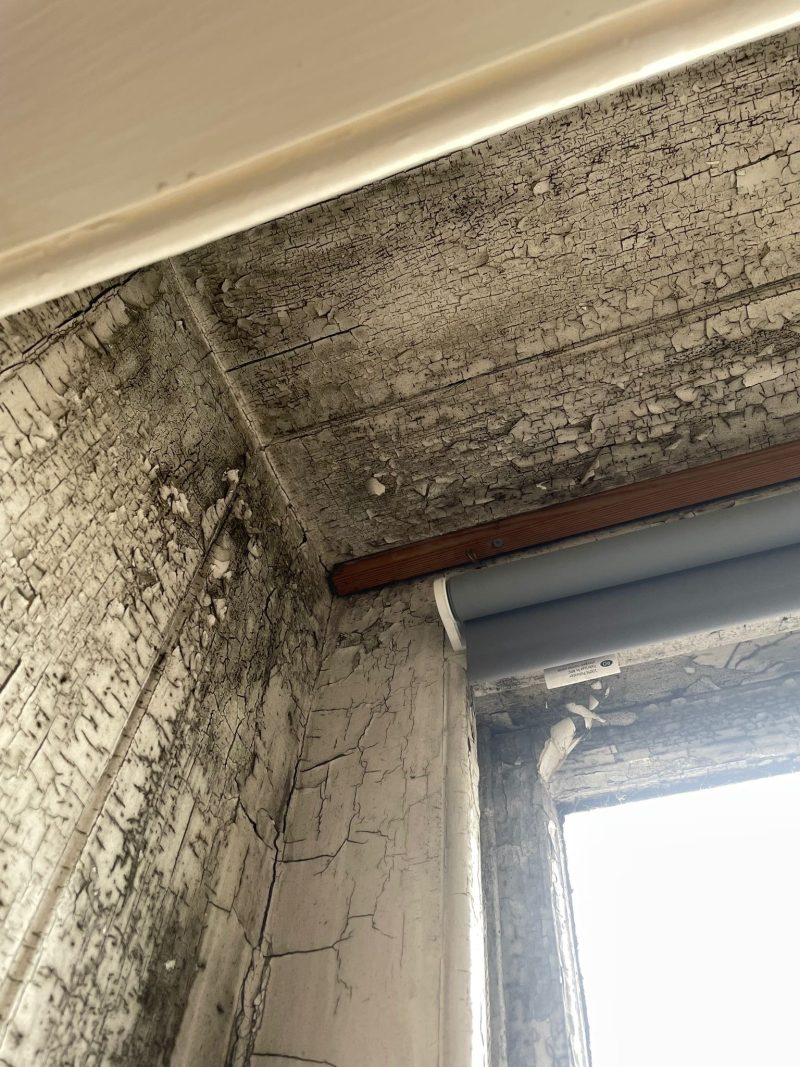
Mould is a major issue, with students reporting it has affected their health – photo: Eleanor Bate
Overcrowding, dampness, broken appliances and faulty heating are also listed as concerns, with students sleeping in multiple layers to beat the winter cold and using campus facilities to wash when taps weren’t working.
Yet their ability to push for repairs and refurbishments is hampered by a perceived power imbalance between tenants and landlords.
“The fear of being blamed was prevalent, creating reluctance to raise issues about their living situations,” the report says.
“Landlords were perceived as taking advantage of students’ need and desperation to secure housing, making them live in unacceptable conditions.”
Driving this imbalance, the report says students’ inexperience means they aren’t as knowledgeable about their housing rights and don’t have established support networks to help them. Those from lower socioeconomic backgrounds or who come from overseas are particularly affected.
These students too can find it harder to secure housing, especially when it comes to getting guarantors and putting in deposits.
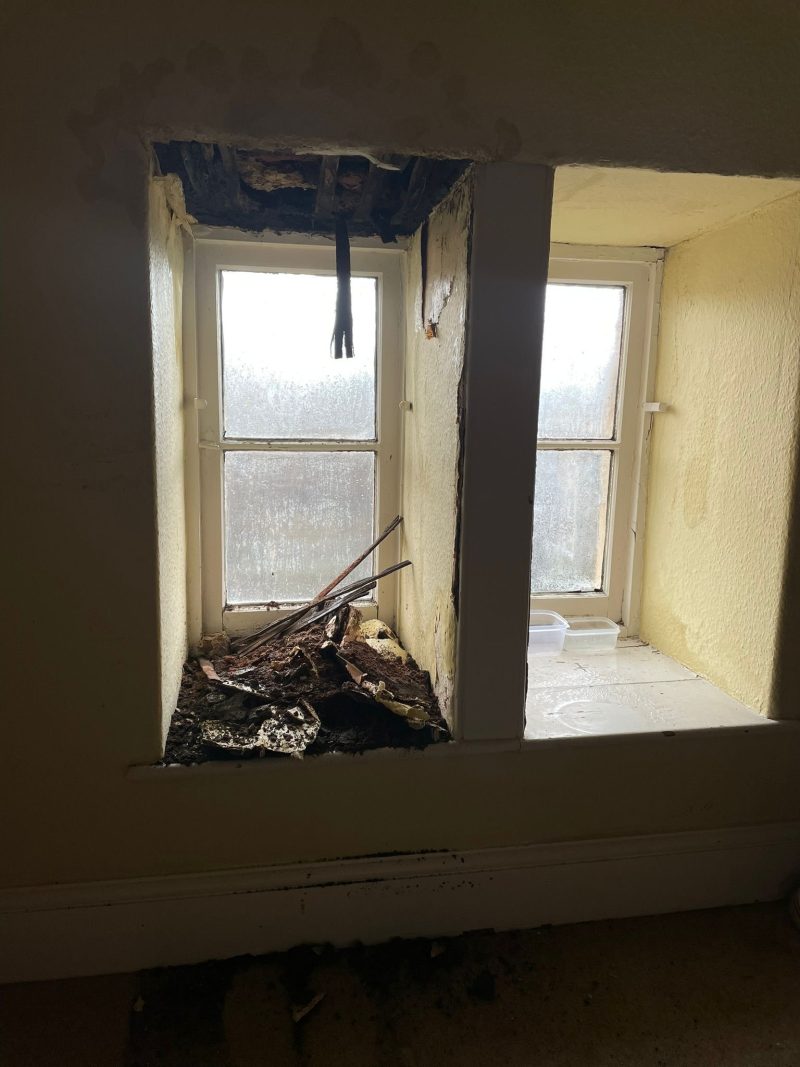
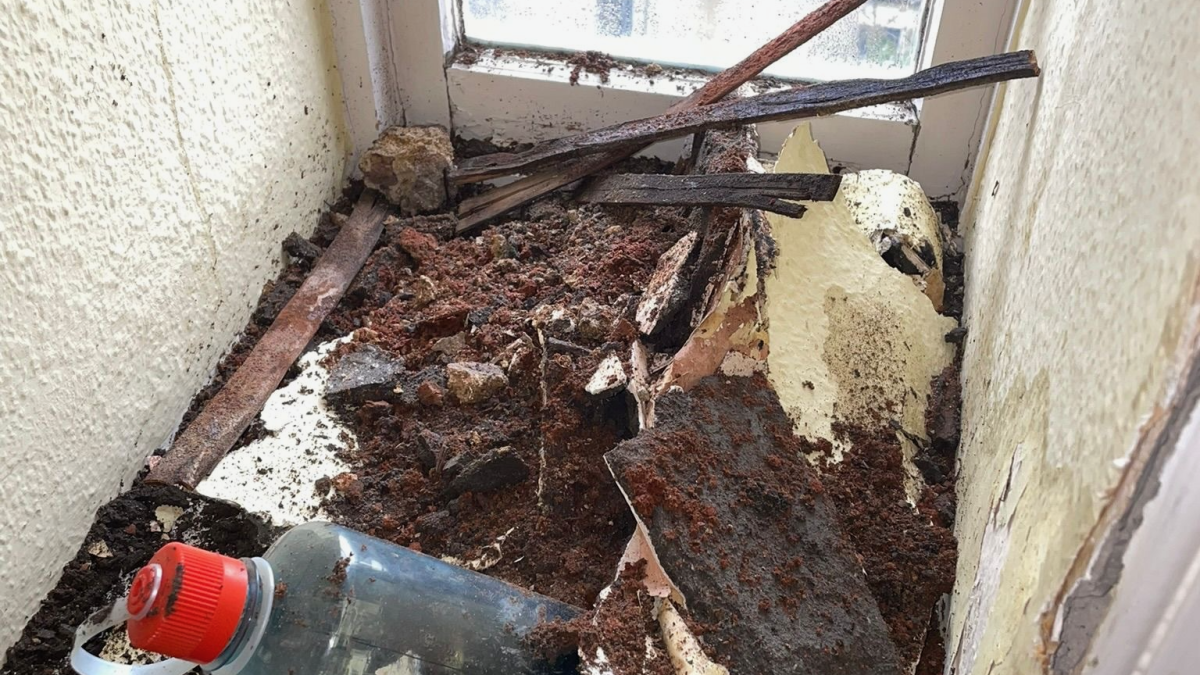
Student Eleanor Bate said part of her ceiling had collapsed – photo: Eleanor Bate
In fact, the general lack of available housing and time pressures put on students to act quickly to arrange accommodation was found to be a key cause of the issues. The rush to find somewhere for the following academic year often forces students to accept poor-quality houses in less safe areas at a heightened price tag, the report says.
Taken together, these issues were found to damage students’ wellbeing, increase isolation and pose risks to their health.
Eleanor Bate said her accommodation during university was awful.
“We had been promised it would be deep cleaned beforehand, but when we arrived it was honestly disgusting,” she said. “There was dust, dirt and sticky residue everywhere, inside drawers, on surfaces, and even things like pubic hair and fingernails around the toilet area.
“There were also major ongoing maintenance issues throughout the tenancy and extensive black mould in the fridge, freezer, bedrooms, bathroom and living room.
“It affected both mine and my boyfriend’s health, especially as he has severe asthma. We avoided having visitors over because I didn’t want people breathing it in.
“We also had structural issues in the stairwell after part of the ceiling collapsed due to a leak that apparently hadn’t been properly dealt with for years.
“This was during my final year at university, when I should have been focusing on my degree and doing my best academically. Instead, so much of my time and energy went into dealing with housing problems and trying to get basic living conditions addressed.
“I genuinely can’t count how many times I had to call and email just to chase basic repairs or responses.”
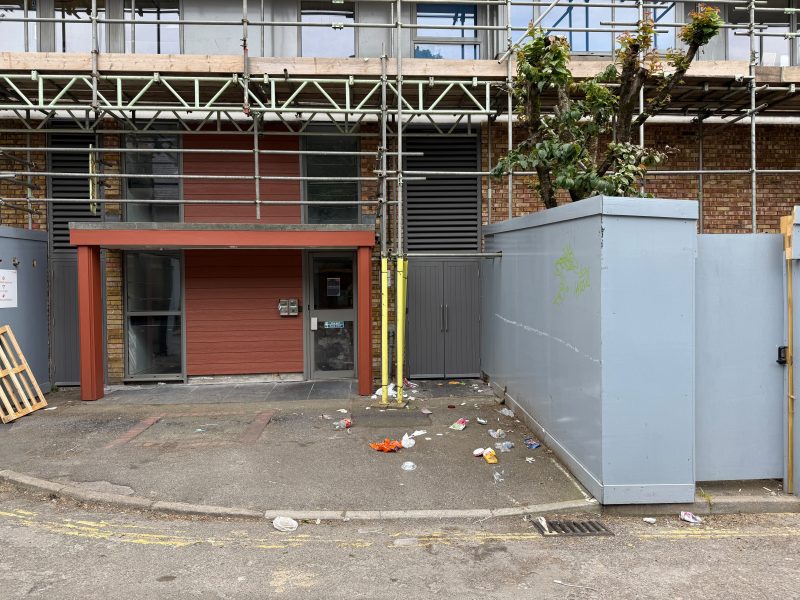
The rush to secure housing is a major cause of issues – photo: Betty Woolerton
Earlier in May, the report was presented to charity Housing Matters, councillor Barry Parsons and Bristol City Council officers working on the city’s private rented sector strategy.
Parsons said: “This presentation was extremely powerful. They have hit all the key points related to student housing including health, wellbeing, affordability.
“This research will strengthen our voices and shows there is evidence of the conditions students are dealing with.”
Main photo: Eleanor Bate
Read next:
 Our newsletters emailed directly to you