News / Housing
Housing associations to provide temporary accommodation instead of ‘racket’ landlords
Housing associations could soon provide more temporary accommodation for people in Bristol instead of private landlords previously described as a “bit of a racket”.
After concerns about the high cost and poor quality of emergency housing, a shift away from private landlords is planned.
Hundreds of households are staying in emergency accommodation paid for by Bristol City Council, including hotels, bed and breakfasts and other unsupported housing.
is needed now More than ever
Many of these people need support with problems like drug and alcohol abuse.
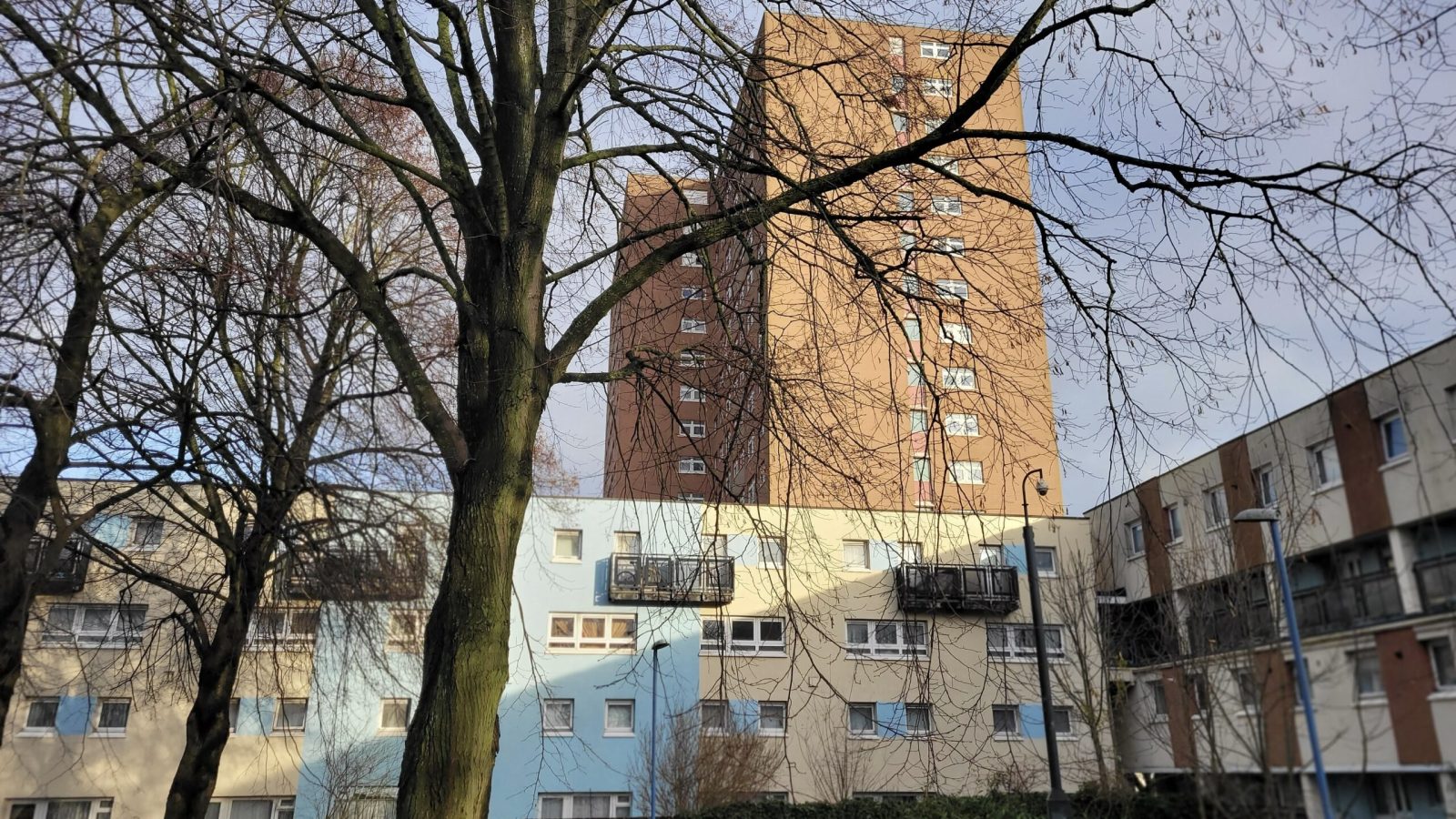
Councillors signed off on the new deal at the end of 2025 – photo: Bristol Design
Across the country councils are facing a financial storm because they are legally obliged to provide temporary housing for people at risk of becoming homeless.
Councils receive a subsidy from the government, but this is capped at the rates of renting a home in 2011 — 15 years ago.
Now the council is planning an eight-year contract with housing associations, costing £26.7 million but still “a lot cheaper” than placing people in hotels, B&Bs and unsupported housing.
The deal was signed off by councillors on the housing policy committee on December 19.
Paul Sylvester, head of housing options, said: “Supported accommodation delivered by trusted registered providers is a sweet spot.
“That’s because it’s accommodation with support which meets the clients’ needs while reducing costs to the council.
“Compared to unsupported privately managed TA, this approach delivers significant benefits for clients, with the improved quality of accommodation and support, reducing tenancy breakdown and repeat homelessness.
“For the council, we’ve got cost efficiency and reduced subsidy loss. And for our communities we have better managed accommodation by trusted partners.”
There is a dire shortage of social housing in Bristol, with over 20,000 households waiting for a new homehttps://t.co/AWfQzkBjke
— Bristol24/7 (@bristol247) March 6, 2025
The new framework starts in July and will last for eight years.
Around 600 new bedrooms are expected to be commissioned as part of the new deal, providing emergency housing for hundreds of people.
Around 1,775 households currently live in temporary accommodation provided by the council. 953 of these are families, with the rest being single people.
Help in supported housing can include counselling, therapy and assistance accessing health services or applying for jobs. Building security can also feature, such as enhanced CCTV and controlled entry.
Experts believe that this sort of support plays a critical role in reducing homelessness and relieving pressures on social care, health and the criminal justice systems.
One problem with supported housing is the potential for a “logjam”, where people stay despite no longer needing support due to the difficulty of finding rented accommodation.
Providers of supported housing are required to help their tenants move on into other accommodation, as part of their contract, but finding a home to rent in Bristol can be notoriously difficult and expensive.
Sonia Furzland, interim executive director of housing, said: “Last year our own private rented sector team helped 286 households get into the private rented sector.
“So we know that there is scope for support providers to be doing better, because it is one of the areas where our existing support providers are struggling, in terms of meeting our timescales about move-on.
“Move-on is really critical in supported housing. We don’t want people whose support needs no longer require to be stuck in supported housing, because they’re causing a logjam for those who do need that support and do need to get into it.”
Across England, councils spent £2.8 billion last year on temporary accommodation, according to the Local Government Association.
Increasing costs are due to rising demand from people at risk of becoming homeless, the exorbitant cost of emergency housing and the lack of government support with subsidies capped at the rates from a decade and a half ago.
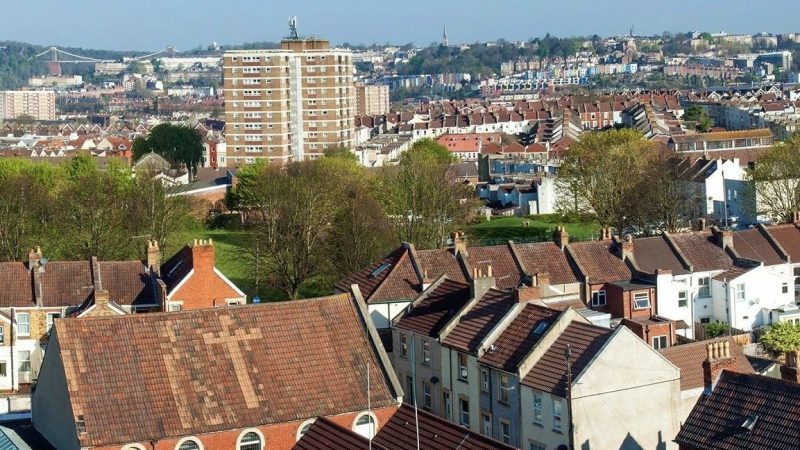
Main photo: Ellie Pipe
Read next:
 Our newsletters emailed directly to you