News / Development
Residents urged to object to ‘mega bedsit’ at former cinema
Plans to turn a historic art deco cinema into a “mega bedsit” have reignited a campaign to save one of east Bristol’s most intriguing buildings.
Save Redfield Cinema and local residents have been campaigning to preserve the former cinema for five years.
The latest development proposal seeks to convert the Church Road landmark into accommodation for more than 40 residents in an HMO (house in multiple occupation) – a shared home where people from different households rent rooms and share facilities.
is needed now More than ever
A Save Redfield Cinema campaign spokesperson said: “There are so many derelict sites on Church Road that could be used for housing; so why destroy one that has such cultural and social importance?”
The developers, Landrose, say the scheme would help address Bristol’s urgent demand for housing, but Save Redfield Cinema has long argued it comes at the expense of a precious community asset that could be brought back to life.
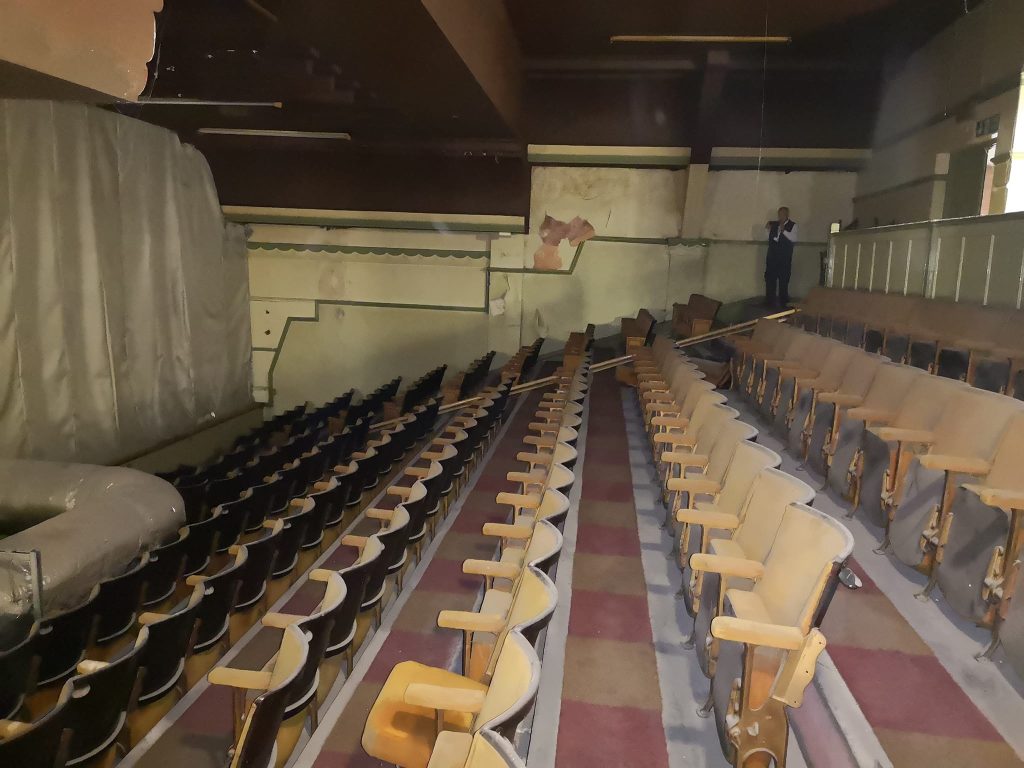
The 200-seat art deco cinema remains intact – photo: Steve Gibbens
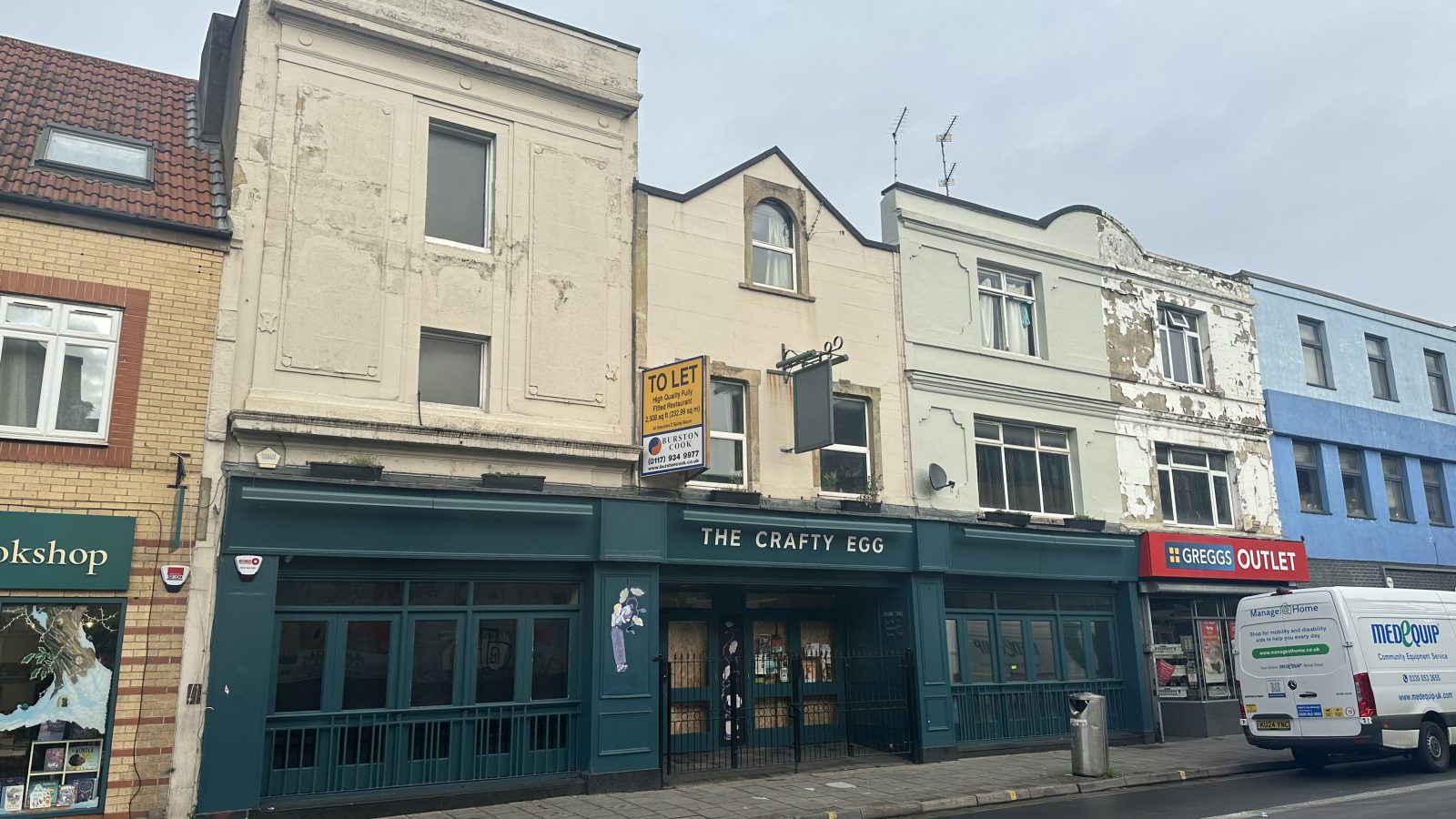
For more than 60 years, the art deco cinema has lain dormant and hidden from view behind the facade of what was most recently the Crafty Egg cafe and before that the St George’s Hall pub.
Called the Electric Palace when it first opened in 1912, the cinema was located at 2 Victoria Road (now Victoria Parade), with the first films projected accompanied by a live pianist.
The business would later expand to include 203 Church Road and connect all the buildings, bringing the entrance to Church Road.
The cinema was renamed the Granada in the late 1930s and operated until 1961, when the building became a bingo hall and later a Wetherspoons pub before closing in 2021.
In 2024, the front section of the building was purchased and reopened as a branch of the Crafty Egg, but it was short-lived, closing just a year later.
Despite those changes and relentless housing applications, residents have continued to campaign for the building to return to community use.
Video: Save Redfield Cinema, Paul Burke and Sam Cole
The campaign team envisage a huge opportunity to revitalise Church Road, arguing that the community would benefit in a similar way to North Street or Old Market, which they say “have been transformed by community arts spaces such as the Wardobe Theatre and Tobacco Factory”.
“We still lack a true community venue. The cinema could change that completely,” they said in a joint statement to Bristol24/7.
Campaigners are concerned that the proposed HMO would increase pressure on parking and traffic, contribute to over-density, and result in substandard living conditions.
“This HMO is meant to house 42 people, and they’re pretending each double bed represents one resident,” a spokesperson said.
“The housing crisis will mean families squeezed into single rooms. It’s completely unrealistic.”
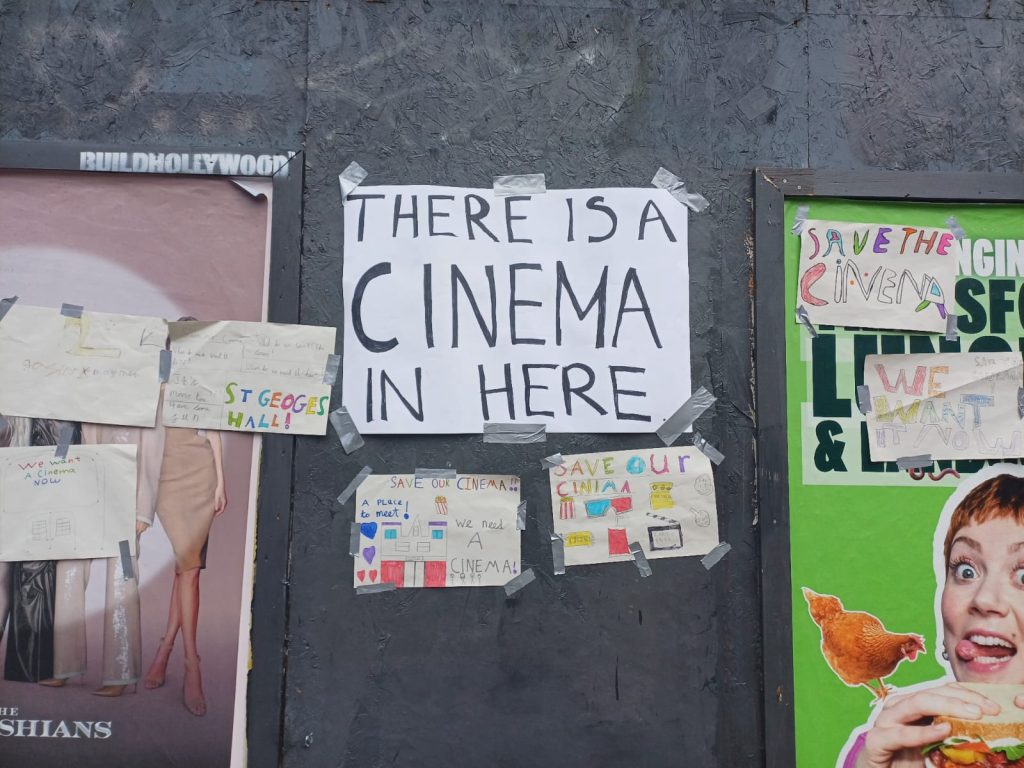
“We still lack a true community venue. The cinema could change that completely.” photo: Save Redfield Cinema
An alternative vision promoted by the campaign involves restoring the cinema as a community-run, affordable cultural venue, inspired by spaces like the Cube in Kingsdown but with its own distinctive Church Road charm.
“We always envisioned something community-run, affordable and inclusive – not an expensive national chain,” the spokesperson said.
“The aim was to create a space that reflects the diversity of Redfield and brings people together, including a community kitchen with food inspired by the local population – Polish, Somali, whatever reflects Redfield’s diversity – so people truly feel represented.
“We wanted to foster real community cohesion, not gentrification at ‘£15-a-crumpet’ cafes.”
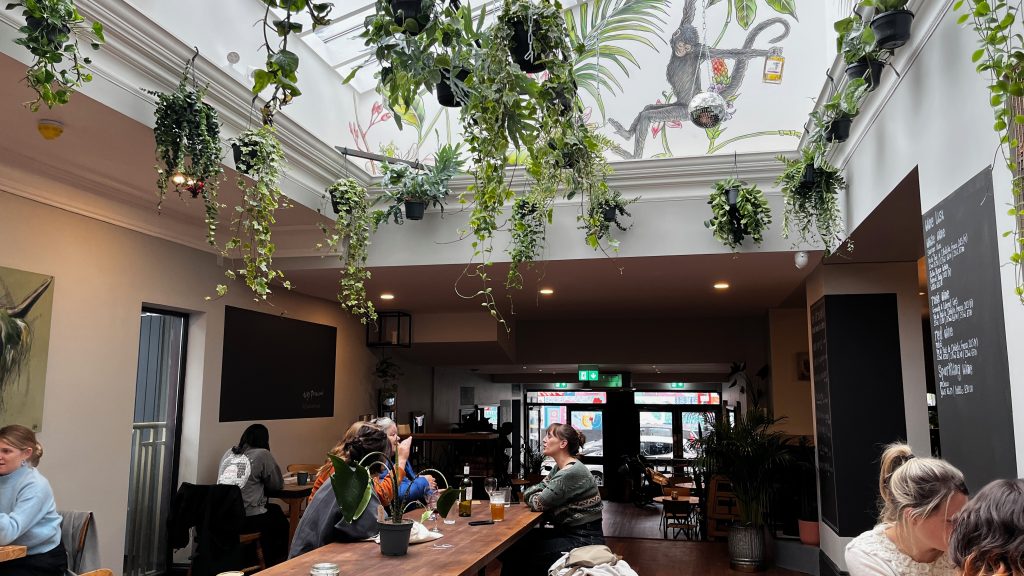
The Crafty Egg opened on Church Road in October 2024 – photo: Karen Johnson
Bristol24/7 understands that the Crafty Egg previously occupied the front section of the Church Road building as a tenant, vacating when their tenancy ended.
This front section is owned by a separate company under common control, but neither that company nor the Crafty Egg is involved in the current planning application, and no offers relating to the front section have been made by the cinema campaigners, nor have any meaningful discussions been requested.
The campaign to save the cinema has previously attracted support from figures with strong local connections, including Ron Merchant, whose son is Hollywood star Stephen Merchant.
Ron has talked publicly about visiting the Redfield Cinema as a child and its lasting influence that was passed on to Stephen, who also vocalised his support for the campaign three years ago.
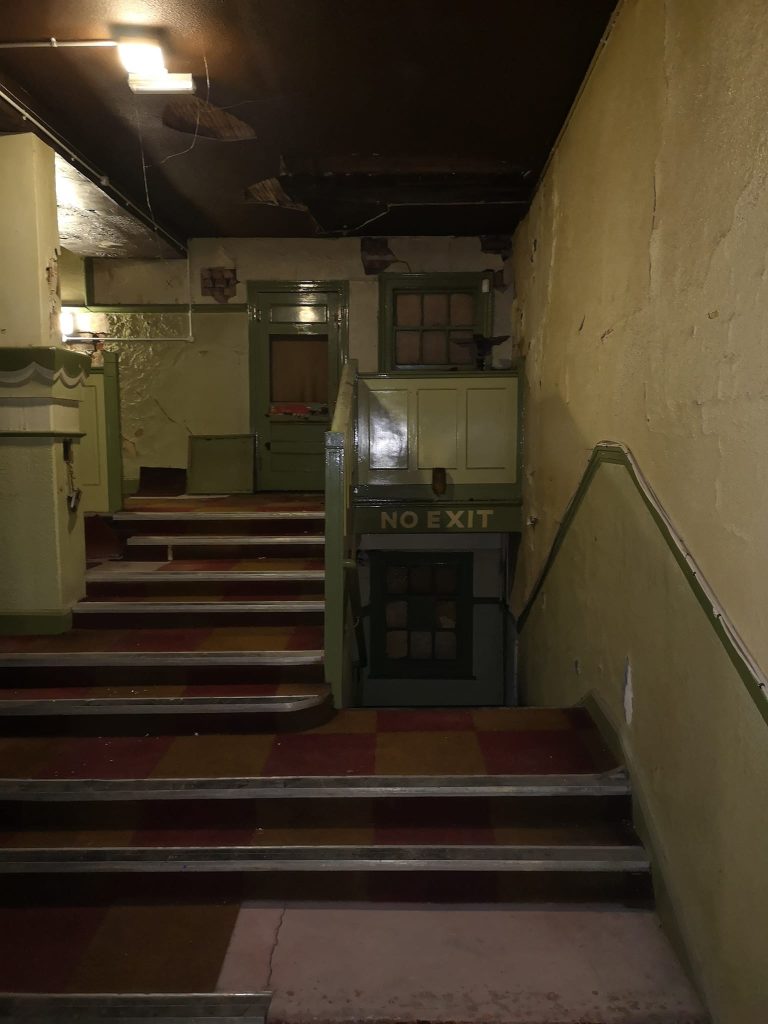
The cinema has lain dormant for decades – photo: Steve Gibbens
Bristol City Council has previously rejected similar housing proposals for the site and across the city, citing overdevelopment and a lack of community benefit. The latest application claims to address earlier concerns through design changes, and residents are now reviewing the plans.
The window for residents to object to the application closes on January 12.
Campaigners also highlighted the challenges created by the site’s fragmentation after the Crafty Egg’s purchase of some of the site.
“By splitting the site, both owners have devalued their assets,” said campaigners.
“For 18 months we watched as the separated front-of-house space, over a century in community use, failed as a standalone cafe business.
Campaigners said the developer’s plans to transform the historic auditorium into a large HMO had repeatedly been rejected by both local government and the Planning Inspectorate, leaving the heritage building without a viable use or commercial value.
The auditorium’s worth lies in its cultural heritage, including its art deco features and the memories connected to its original 200 seats, which remain intact.
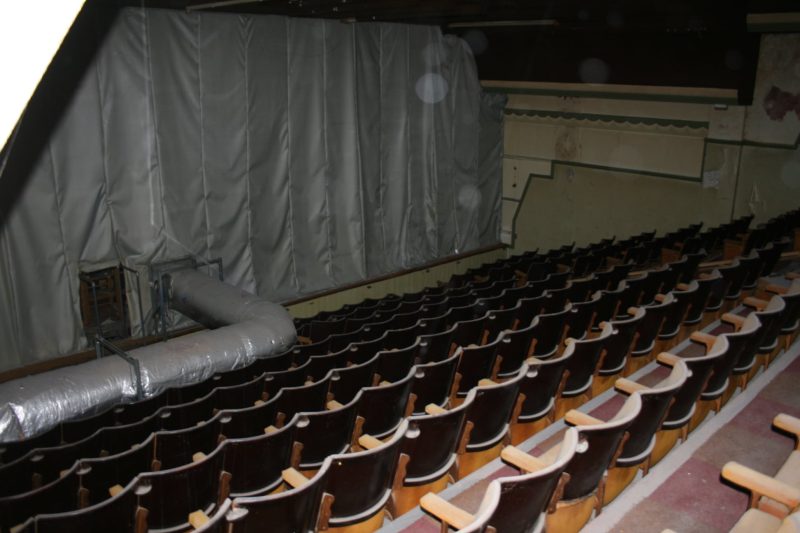
“This isn’t about nostalgia — it’s about whether we value community space and cultural venues in our neighbourhoods” photo: Les Kelly
“Ironically, Landrose’s refusal to recognise this has left them with a largely worthless concrete shell and a history of failed planning bids, while the front space proved commercially unviable alone – yet neither will accept realistic offers reflecting this reality,” say the campaigners.
“Thousands of objections over five years send a clear message: the community wants its social space back.
“The building was designed as a cinema, thrived as one for decades, and its only sustainable future lies in reunifying the site to restore that purpose.”
Campaigners continue to call on both owners to recognise that their separate visions have failed and that they should “ let this valued asset serve the community as intended.”
To learn more about the proposal, visit the consultation page.
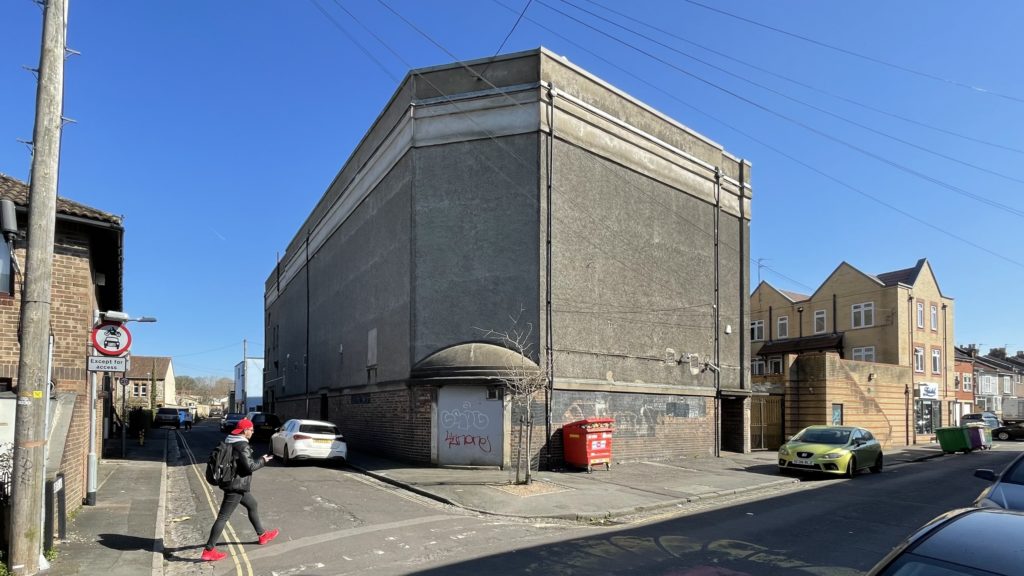
The cinema auditorium can be seen from the back of the building – photo: Martin Booth
Main photo: Carla Wakfer
Read next:
 Our newsletters emailed directly to you