News / High Cross
Replica of Bristol’s historic High Cross to be restored
A replica of the upper part of Bristol’s medieval High Cross is set to be restored amid concerns over its condition.
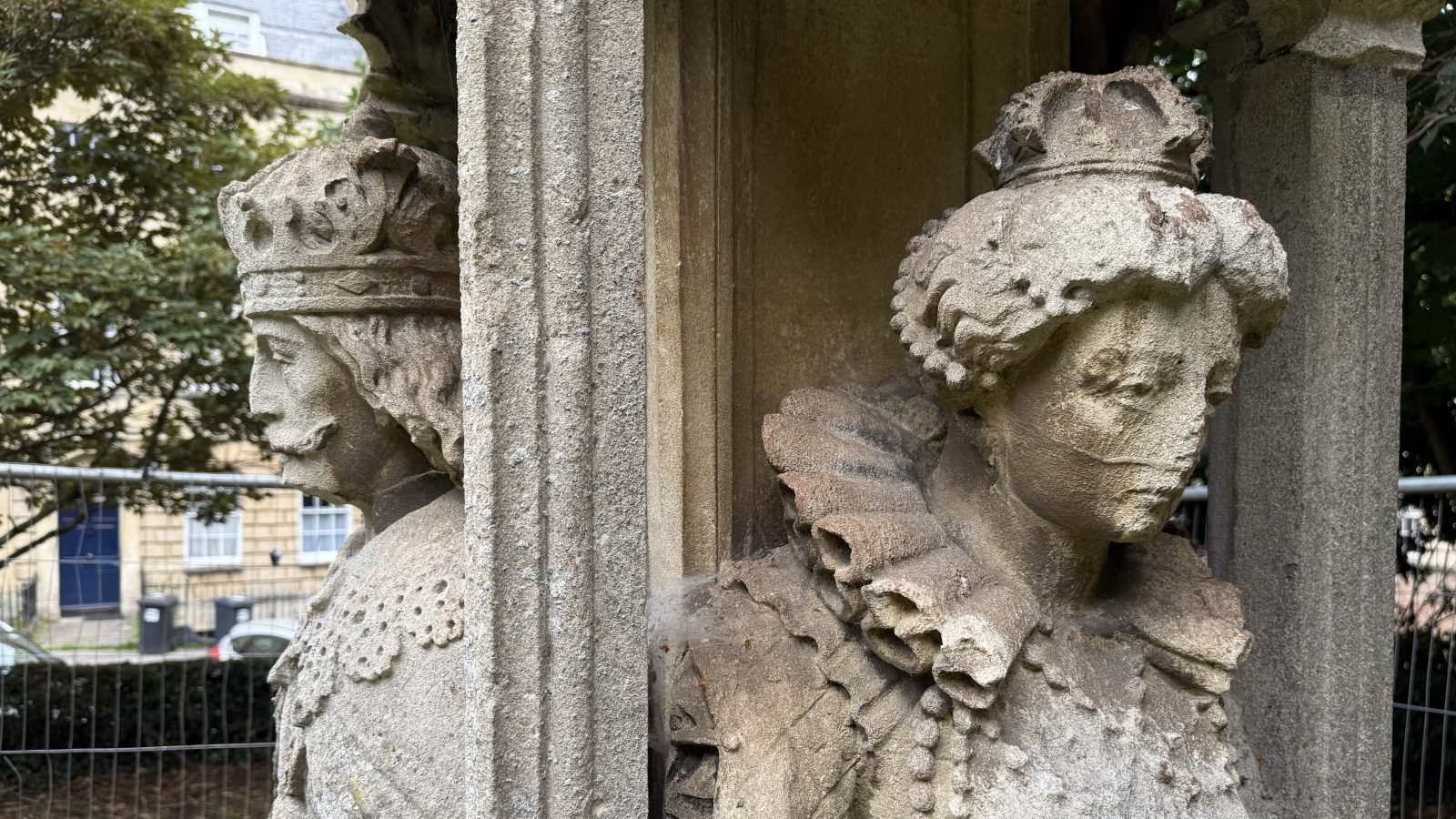
The Grade II-listed structure is located in Berkeley Square between the Clifton Triangle and Brandon Hill.
It was commissioned in the 19th-century as a replica of the original cross dating from 1373 which is now in the grounds of Stourhead in Wiltshire.
is needed now More than ever
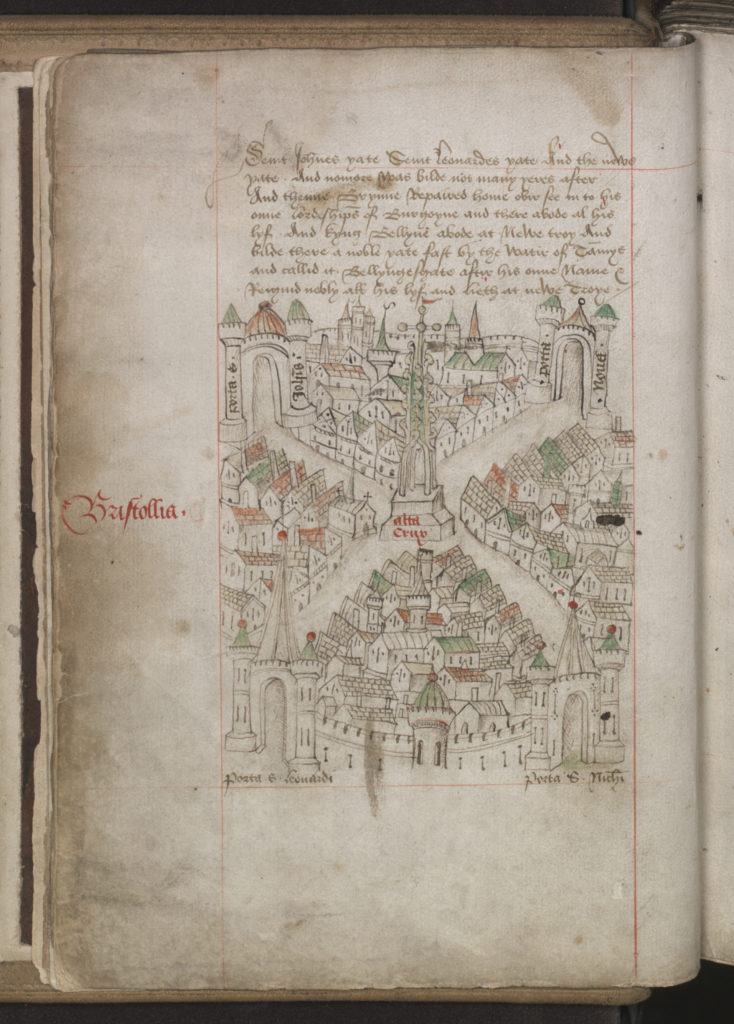
With the High Cross at its centre, Robert Ricart’s 1480 map of Bristol is believed to be the oldest surviving city map in the UK – courtesy: Bristol Archives
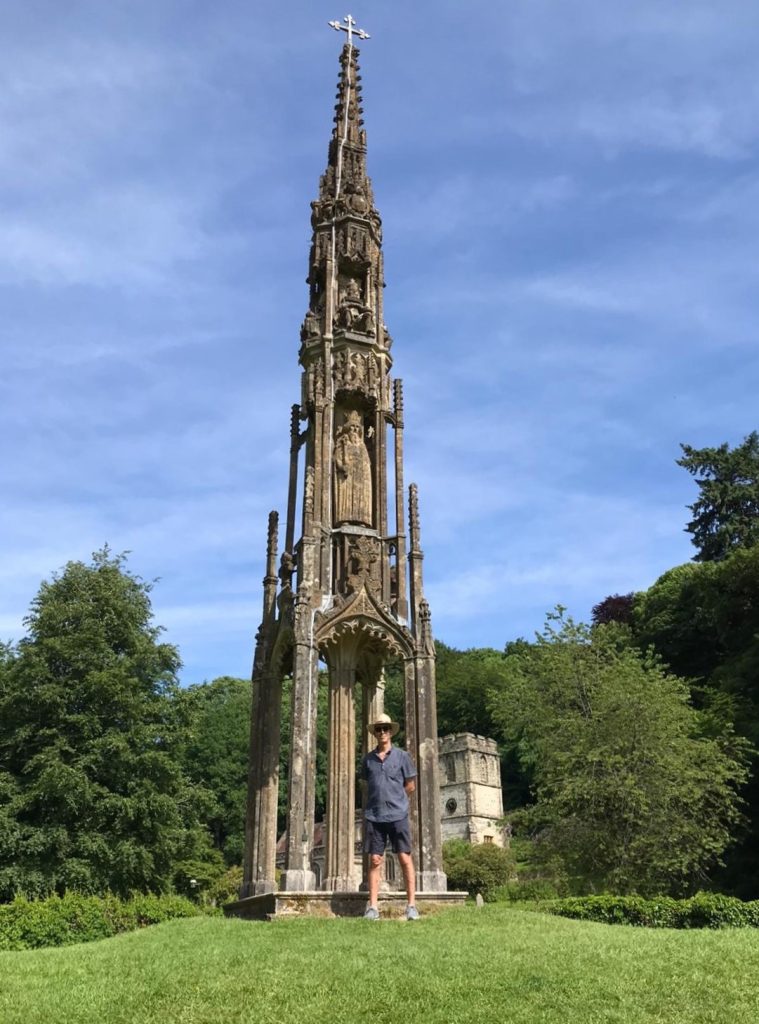
In 1764, Bristol’s original High Cross was transported on six wagons to Stourhead in Wiltshire, where it remains to this day – photo: Shelagh Booth
The original High Cross stood for centuries in the heart of the medieval walled city at the junction of Corn Street, Broad Street, Wine Street and High Street – roads which once spread out from the High Cross towards the four main gates into Bristol.
The entirety of the replica High Cross originally stood on College Green but was relocated to Berkeley Square in the 1950s where its top-third stands rather forlornly in one corner of the privately-owned garden.
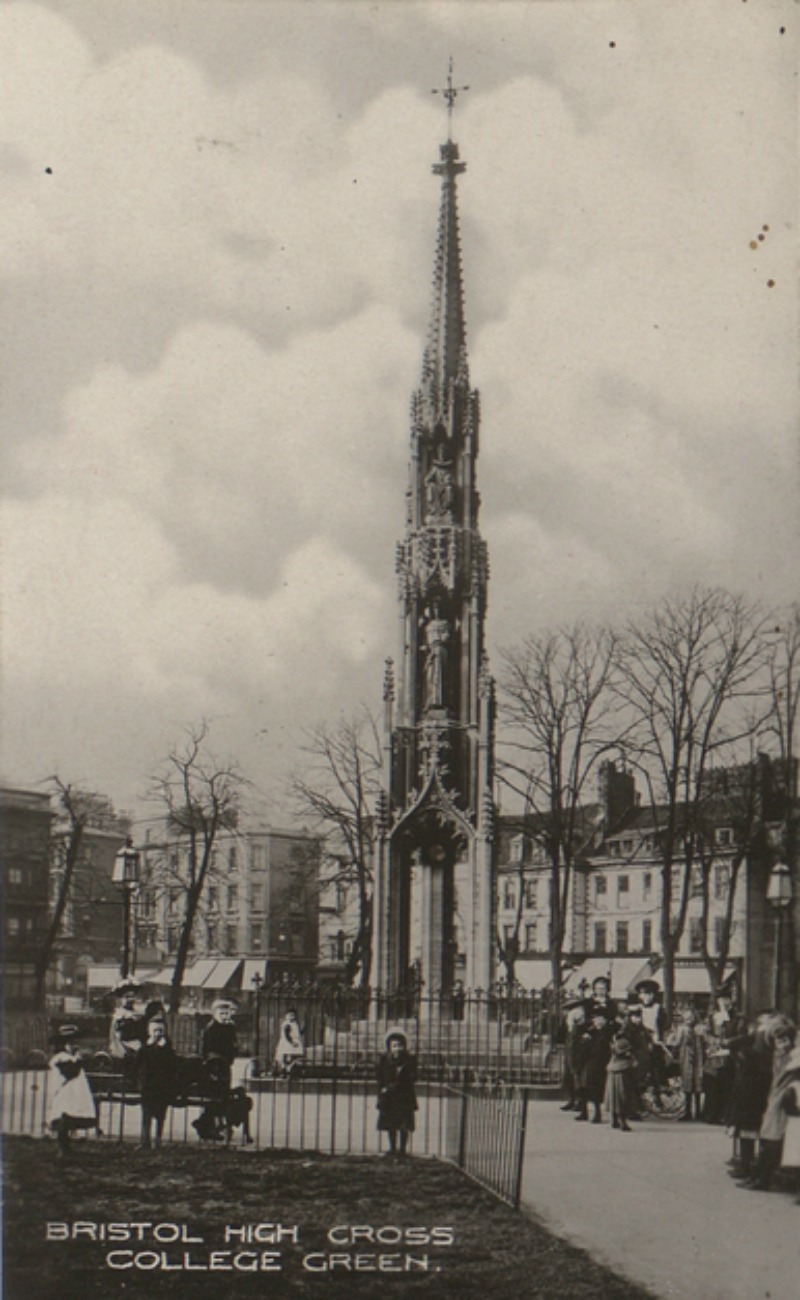
A replica of the High Cross stood on College Green until the 1950s – photo: Bristol Archives
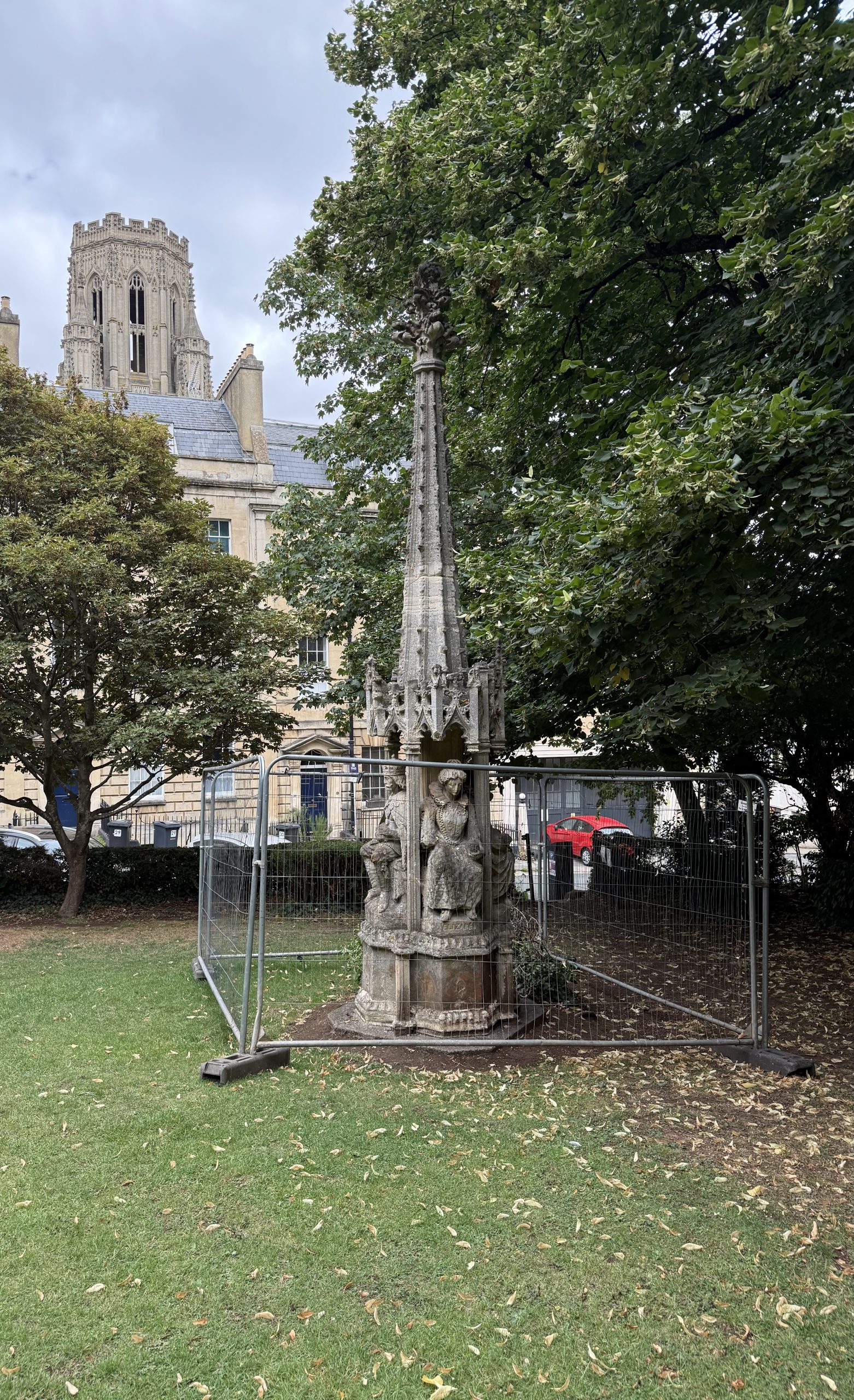
The stunted replica of the High Cross was moved to Berkeley Square in the 1950s – photo: Martin Booth
In Bristol City Council planning documents, it has been revealed that the top part of the structure will need rebuilding.
Agents said: “The cross is in poor condition and is potentially structurally unstable.
“The proposed repairs will retain as much of the original fabric as possible and only include replacement if absolutely necessary for structural integrity.
“Any components in good condition shall be retained, including fixings unless they are corroded or damaged during dismantling, in which case they will be replaced on a like-for-like basis.
“The works shall be carried out by a stone conservationist using traditional methods and materials.”
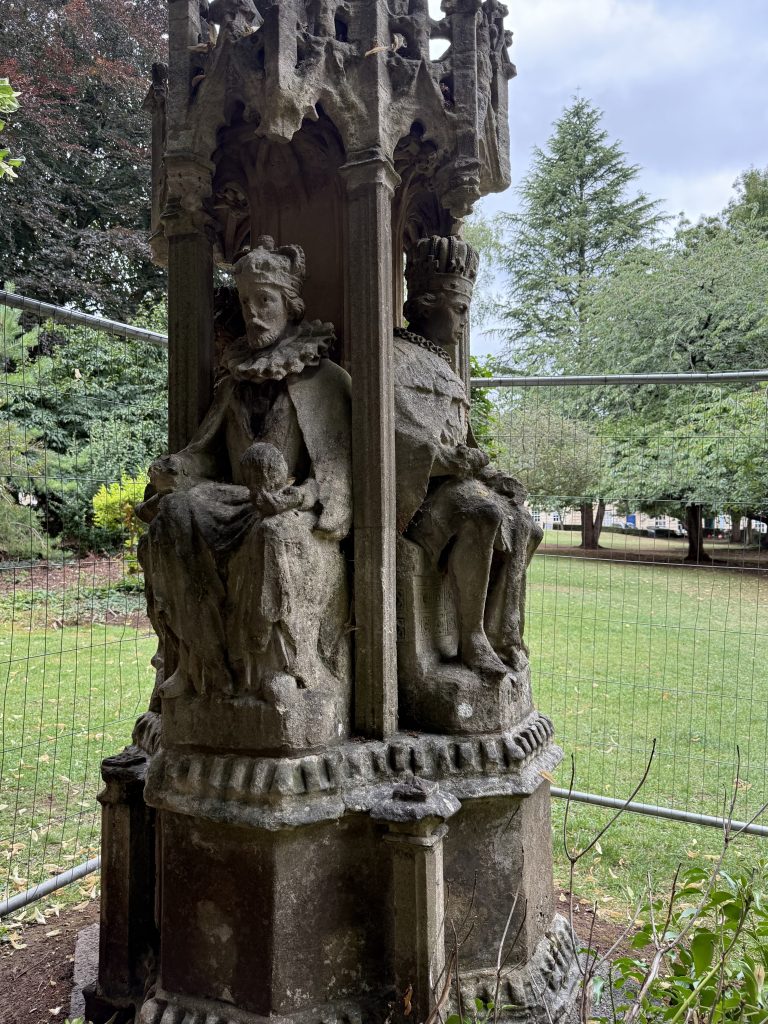
The High Cross was just one of many crosses in Bristol associated with ancient churches, but none of them remain – photo: Martin Booth
The original limestone High Cross was gilded and coloured, presumably once making a splendid sight.
Within niches were statues of John, Henry III, Edward III and Edward IV – all kings who had contributed to Bristol’s expansion and trade by conferring important charters; with more monarchs added when the cross was repaired and enlarged in the 17th century, and painted blue and gold.
The High Cross was removed from its original location in 1733 and re-erected on College Green, where it was soon declared a “nuisance” by locals who were early practitioners of one of Bristol’s favourite pastimes of nimbyism.
The upper part of the replica High Cross, sculpted in 1851, have been here on Berkeley Square since 1956, but more squirrels than people usually pass it every day.
Find out more about the High Cross and follow the route of Bristol’s city walls on a walking tour with Martin Booth. To find out more and to book, visit www.yuup.co/experiences/explore-bristol-s-quirkiest-corners
Main photo: Martin Booth
Read next:
 Our newsletters emailed directly to you