News / flooding
New flood defences for Bristol expected to cost around £250m
Construction of major new flood defences for Bristol will not begin for at least another five years.
An engineering company was hired to design the flood defences along the River Avon in 2025 although questions remain about how the huge cost of building them will be paid for.
Bristol City Council has appointed Jacobs to draw up plans for the Bristol Avon Flood Strategy, which has now been rebranded as Avon Riversides 2100.
is needed now More than ever
The defences are expected to cost around £250m and take seven years to build in order to protect the city from rising sea levels due to climate change.
But a funding strategy has still not yet been developed and a lack of detailed updates about the flood defences was criticised during a meeting of Bristol City Council’s member forum.
Green councillor Patrick McAllister, representing Hotwells & Harbourside, said: “We should probably look to improve our public consultation and communication on this issue.
“It’s an issue that a lot of my ward residents are particularly engaged with.”
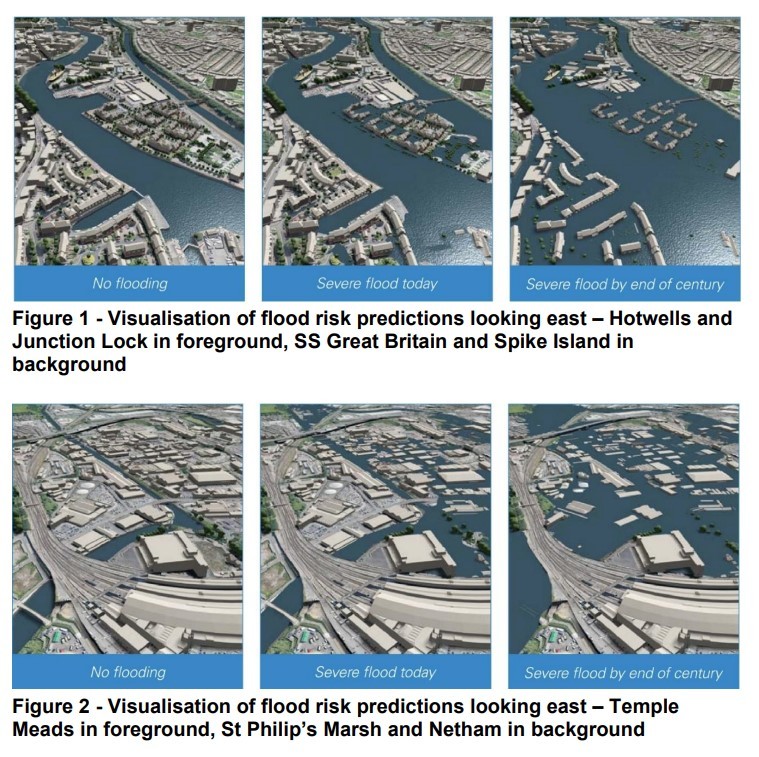
Should we all move to higher ground? – images: Bristol City Council
By the end of the century, 30,000 properties in Bristol could be vulnerable to flooding.
Critical infrastructure like roads and train stations could be affected by higher tides and stronger storms, and the city’s transport network could be severed by flooding, according to previous council reports.
The primary threat is from tidal flooding, expected to grow as polar ice sheets melt.
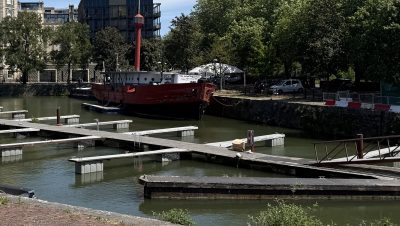
The plans include building nine miles of flood defences along the Avon from Swineford to the east of Bristol, through the city centre and up to Shirehampton.
The council is working with the Environment Agency and the West of England Combined Authority to get them built.
Construction was initially expected to begin in 2027 but now will not start until the next decade.
Liberal Democrat councillor Andrew Brown, chair of the economy & skills policy committee, said: “We are now in contract with Jacobs and work has been progressing well in mobilising the new team and facilitating a smooth transition from the previous phase of the project.
“A funding strategy has been developed that explores a range of feasible scenarios to finance the construction phase, which will be developed further as the full business case is progressed.
“Our current programme shows an earliest possible construction start in 2030/31, while opportunities for quick wins and third party delivery opportunities will be continually explored.”
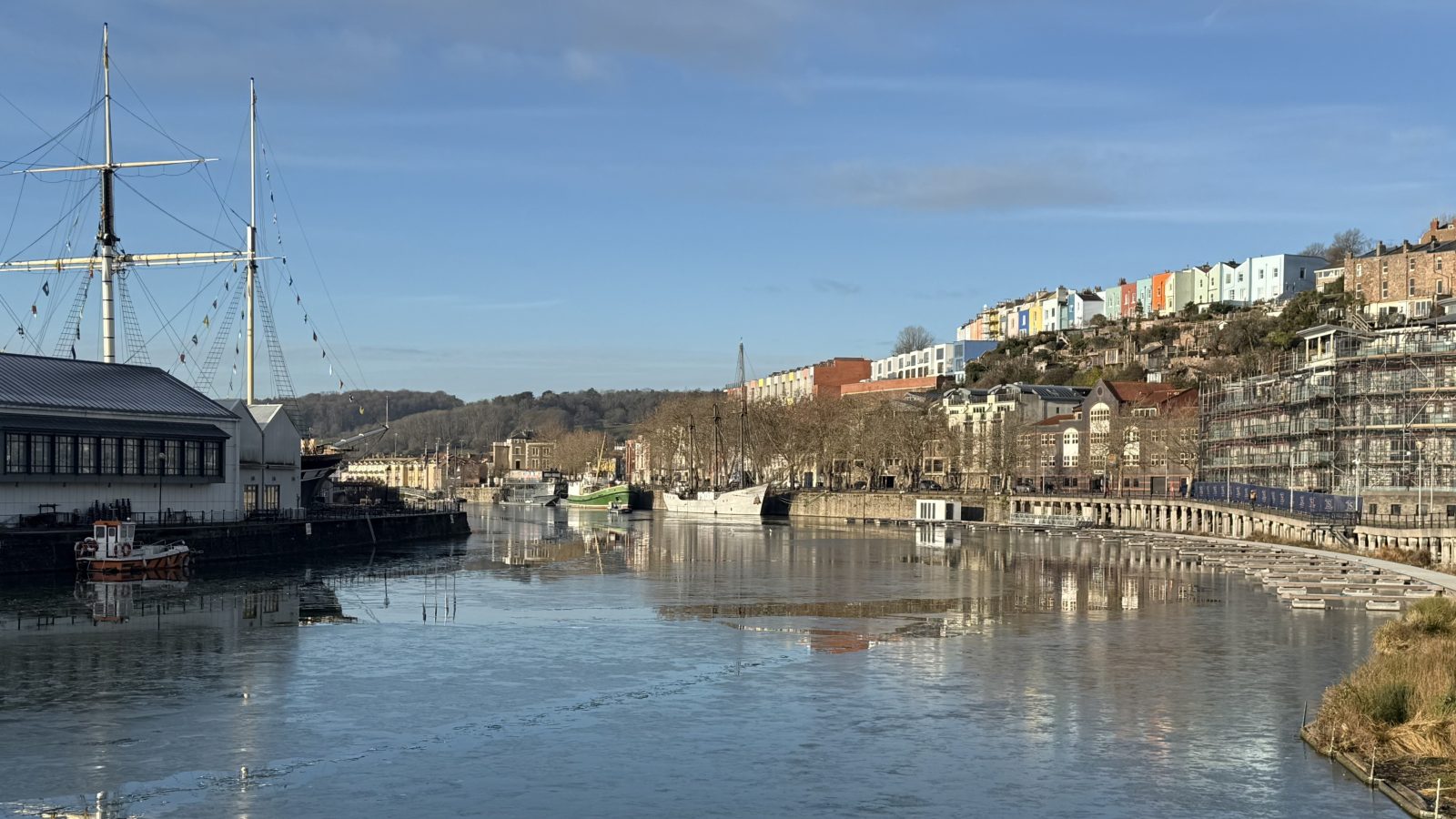
Main photo & videos: Martin Booth
Read next:
 Our newsletters emailed directly to you