News / Politics
Mayor defends port deal in Financial Times
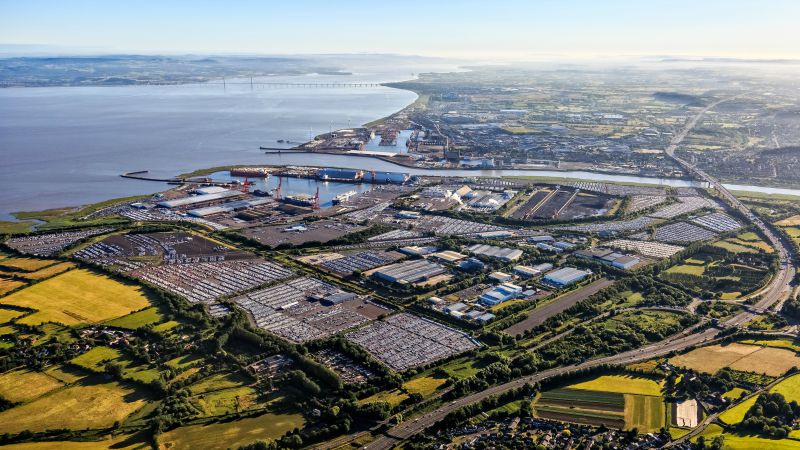
Controversy over the £10 million sale of Bristol Port shows no sign of abating with city mayor George Ferguson taking to the letters pages of the Financial Times to defend his decision.
Ferguson was forced to respond to an opinion article in the national newspaper claiming the Bristol Port Company got a knockdown price because they already held the leasehold to the 2,100-acre port and because they were “good chaps who have run the port for over 20 years”.
Writing in the letters pages of the newspaper, Ferguson replied that the sale, completed on Tuesday, was an “excellent deal”, taken on professional advice – adding that shares in the port would maintain a £1 million a year return.
is needed now More than ever
Merryn Somerset Web’s opinion article ‘Is power swinging back to the people?’ argued that the port sale was another example of how property was being redistributed to people who just so happened to be current residents.
The editor of MoneyWeek compared the deal to the Government’s extension of right-to-buy discounts for tenants of council houses and housing association properties.
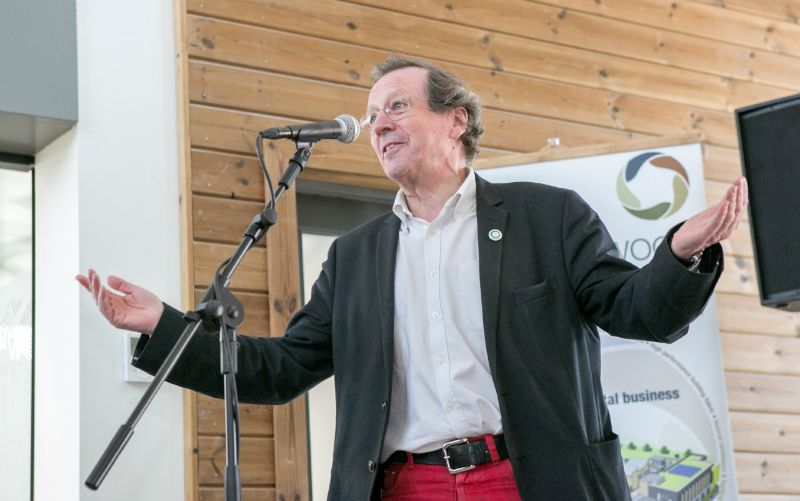
Ferguson responded: “The council sought external valuation advice from Jones Lang LaSalle (JLL), who concluded that £10m was an extremely favourable price for the city as seller. In 2012 under the previous administration, Deloitte placed the marriage value at £4.35m, while to a third party purchaser it would be a fraction of that.
“We have driven a hard bargain with the Bristol Port Company, in which we retain a 12.5% shareholding worth over £1m a year to the city. The company will now have the opportunity to attract further investment to develop its business whilst the city is able to release capital for much needed investment
“The freehold, for which we receive no rent for 150 years, does not allow the Council any meaningful influence over the management or use of the land and denies the Port Company the freehold which nearly every other UK port enjoys.
“The city will now benefit from £10m of revolving investment in regeneration projects, something which will provide many new jobs, improve the city and build value instead of being locked in the ground until 2141. This is good business which best serves local people.”
Councillors voted 41 to 16 against the sale of the port when the decision was called-in by the Liberal Democrats.
But Ferguson made a final decision at an extraordinary meeting of his cabinet, where he also clashed with Labour mayoral hopeful Mark Bradshaw – leading to the cabinet member’s sacking.
Bristol Port Company has long argued that it needs to own the freehold of the port in order to attract sovereign investment funds needed to build a long-overdue deep water terminal for large shipping containers.
The Bristol Port Company was privatised in 1991 when Bristol City Council sold the business with a 150 year lease.
The new freehold deal was finalised on Tuesday August 4.
Photo credit: Bristol Port Company