News / Brislington
Denial untreated sewage turning brook into ‘brown sludge’
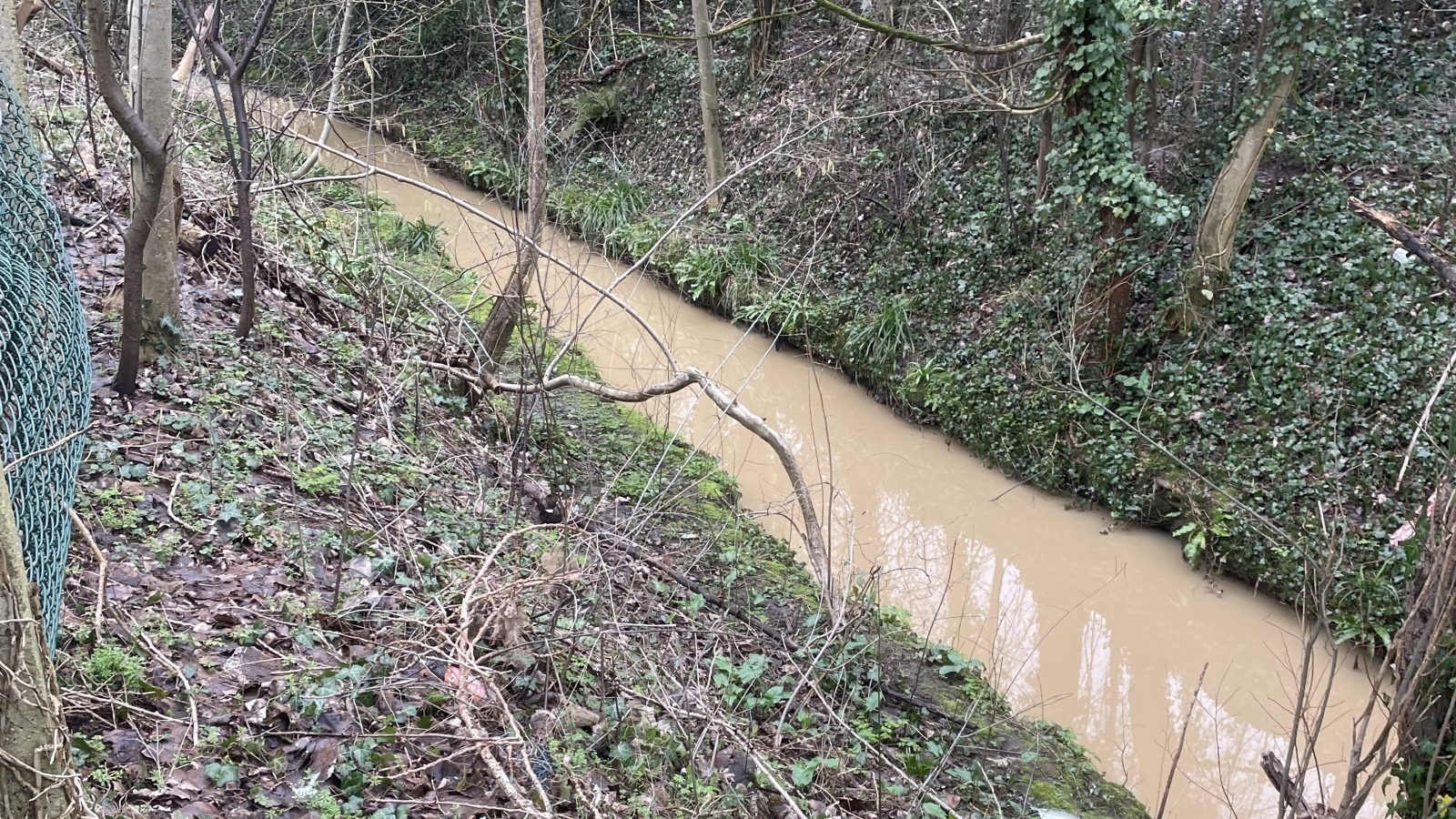
Wessex Water has denied that untreated sewage is turning the Brislington Brook into “brown sludge” despite criticism from a local councillor.
The water company came under fire after the stream in south Bristol was photographed looking brown and murky late in February.
Several storm overflow drains discharge into the brook during heavy rain, to prevent sewers flooding.
is needed now More than ever
They discharge a mixture of rainwater, groundwater and untreated sewage, although according to Wessex Water the sewage is heavily diluted and “wouldn’t turn the river brown”.
In 2020, Bristol City Council declared an ecological emergency due to fears that wildlife populations were disappearing.
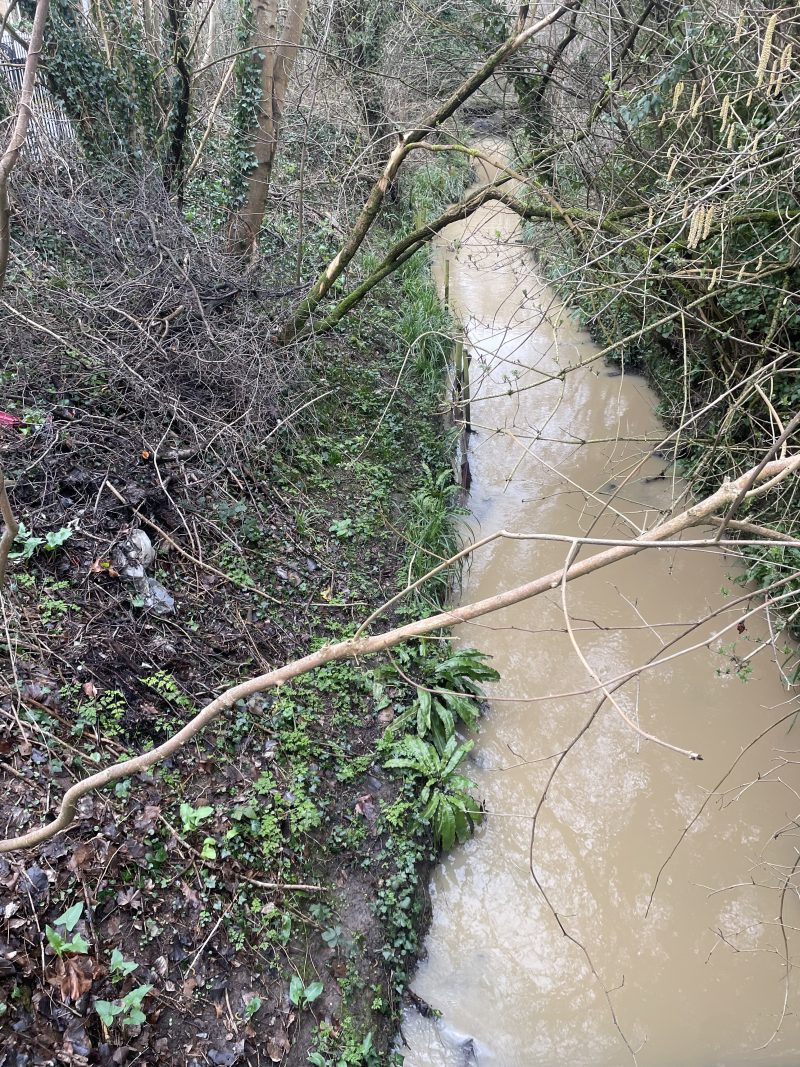
Wessex Water has rejected claims that untreated sewage is the cause of the “brown sludge” appearing in the Brislington Brook – photo: Tim Kent
An update on an action plan to address the emergency was given to councillors on the environment policy committee prompting comments about poor water quality in rivers and streams across Bristol, including Brislington.
Liberal Democrat councillor for Whitchurch Park Tim Kent said: “The way Wessex Water just pumps sewage and uses our rivers as a toilet is a disgrace.
“They’ve got away with this now for decades. They’ll happily take our money constantly when we pay our water rates, yet what do they do with our sewage? They just pour it into our rivers.”
He said he walked past the Brislington Brook on February 19, when the water was “completely clear”.
Although no discharges were formally recorded that day, he suspects drains were discharging anyway.
He added: “20 minutes later, it was turned into brown sludge by Wessex Water. That’s not unique. They do that now nearly every day. It’s simply unacceptable.”
On the morning of February 22, two storm overflow drains on the Brislington Brook discharged for three to four hours, near Ellesmere Road and Airport Road.
Over the last three years these drains have discharged on average once every week, as rainwater seeps into the sewer. Wessex Water plans to meet government targets on improving these drains by 2045.
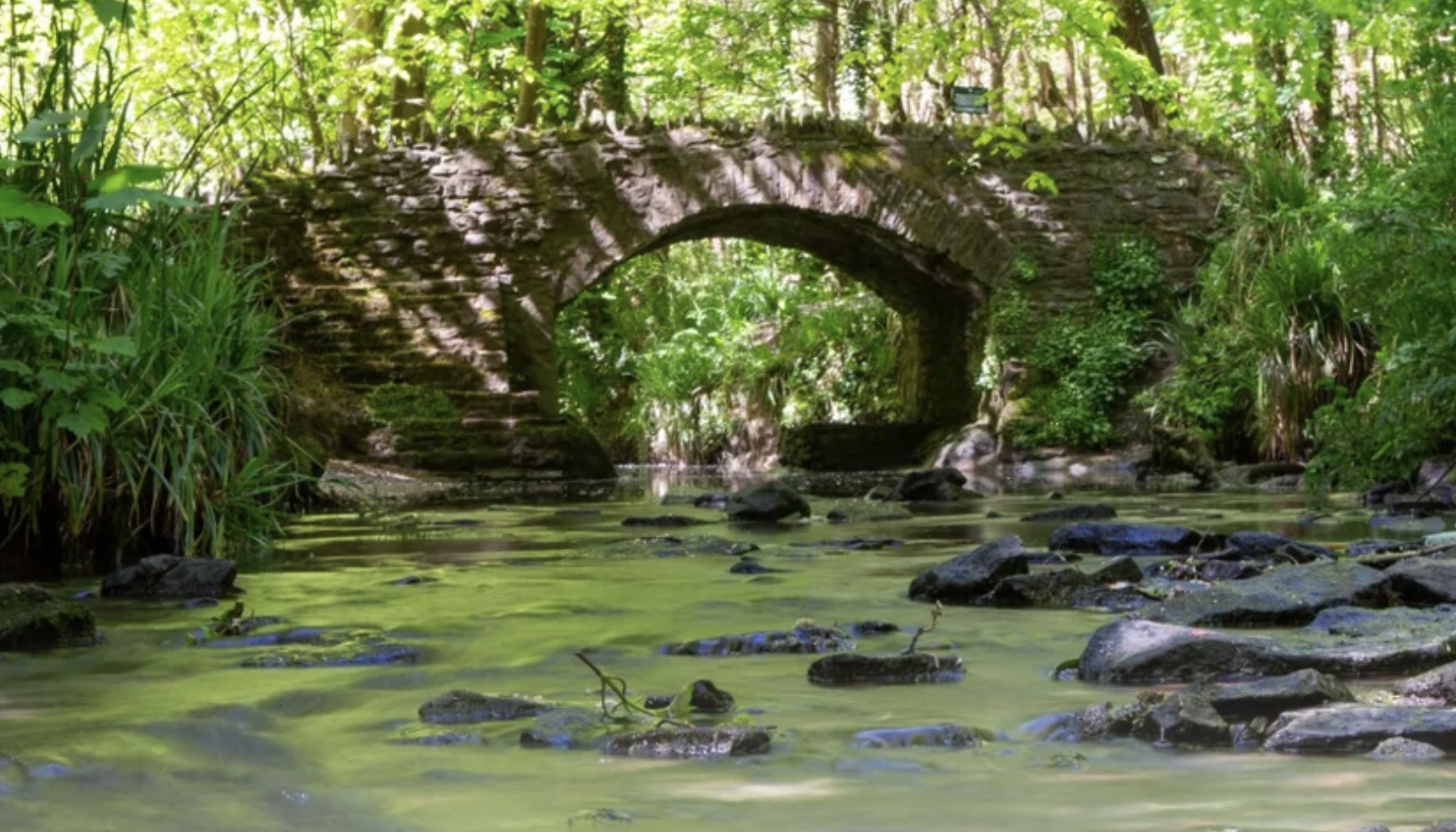
Brislington Brook travels through two woodlands called Nightingale Valley and St Anne’s Wood – photo: Friends of Brislington Brook
A Wessex Water spokesperson said: “Storm overflows last operated at Brislington Brook on February 22 to prevent flooding during or after extreme rainfall, with mostly rainwater and groundwater automatically discharged in licensed operations that certainly wouldn’t result in the river turning brown.
“Despite their minimal ecological impact at heightened groundwater sites like Brislington, we agree that storm overflows aren’t appropriate for the 21st century and we’re investing more than £8 million every month in schemes to reduce discharges.
This investment must be supported by policy-making so rainwater is better managed and returned to the environment close to where it falls, rather than draining into sewers.”
Data from the Environment Agency suggests that the Brislington Brook also suffers from other problems like transport drainage.
Water on nearby roads picks up pollutants from cars and lorries and then runs off through drains into the stream.
In November 2024 the council passed a motion to “save our rivers” and “stop the sewage scandal”.
This work was referred to the One City environment board, which brings together the council and major Bristol organisations.
A report on progress since then is due to be sent shortly to the environment policy committee.
Alex Seabrook is a local democracy reporter for Bristol
Main photo: Tom Kent
Read next:
 Our newsletters emailed directly to you