Features / Advertising Feature
How to Plan a Living Room Layout That Actually Works for Real Life
A beautiful living room is one thing. A living room that actually works for daily life is something else entirely.
Many people focus on colours, decor, and furniture styles first, only to realise later that the room feels awkward to use. Maybe the seating is too far apart, the walkway feels cramped, or the sofa looks great but does not suit the shape of the space.
A good living room layout should do more than look polished in photos. It should support the way you relax, host guests, spend time with family, and move around your home every day.
is needed now More than ever
Here is how to plan a living room layout that feels comfortable, functional, and realistic for everyday life.
Start With How the Room Will Actually Be Used
Before thinking about furniture placement, think about how the room functions in real life. Is it mainly for relaxing in the evenings? Do you use it to entertain guests? Is it where children play, where you watch television, or where family members gather at the end of the day? In many homes, the living room needs to do all of these things at once.
When you understand the room’s purpose, layout decisions become much easier. A formal sitting room and a busy family lounge should not be arranged in the same way. The most practical layouts begin with lifestyle, not just appearance.
Identify the Natural Focal Point
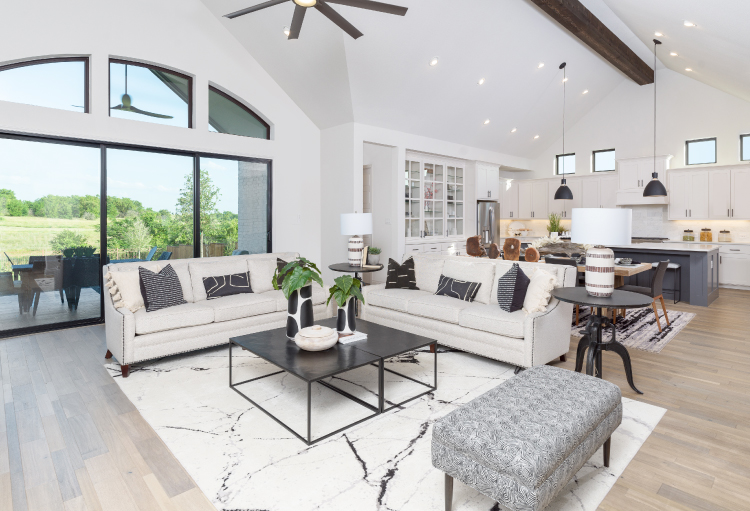
Most living rooms need a focal point. This gives the room structure and helps everything feel intentional.
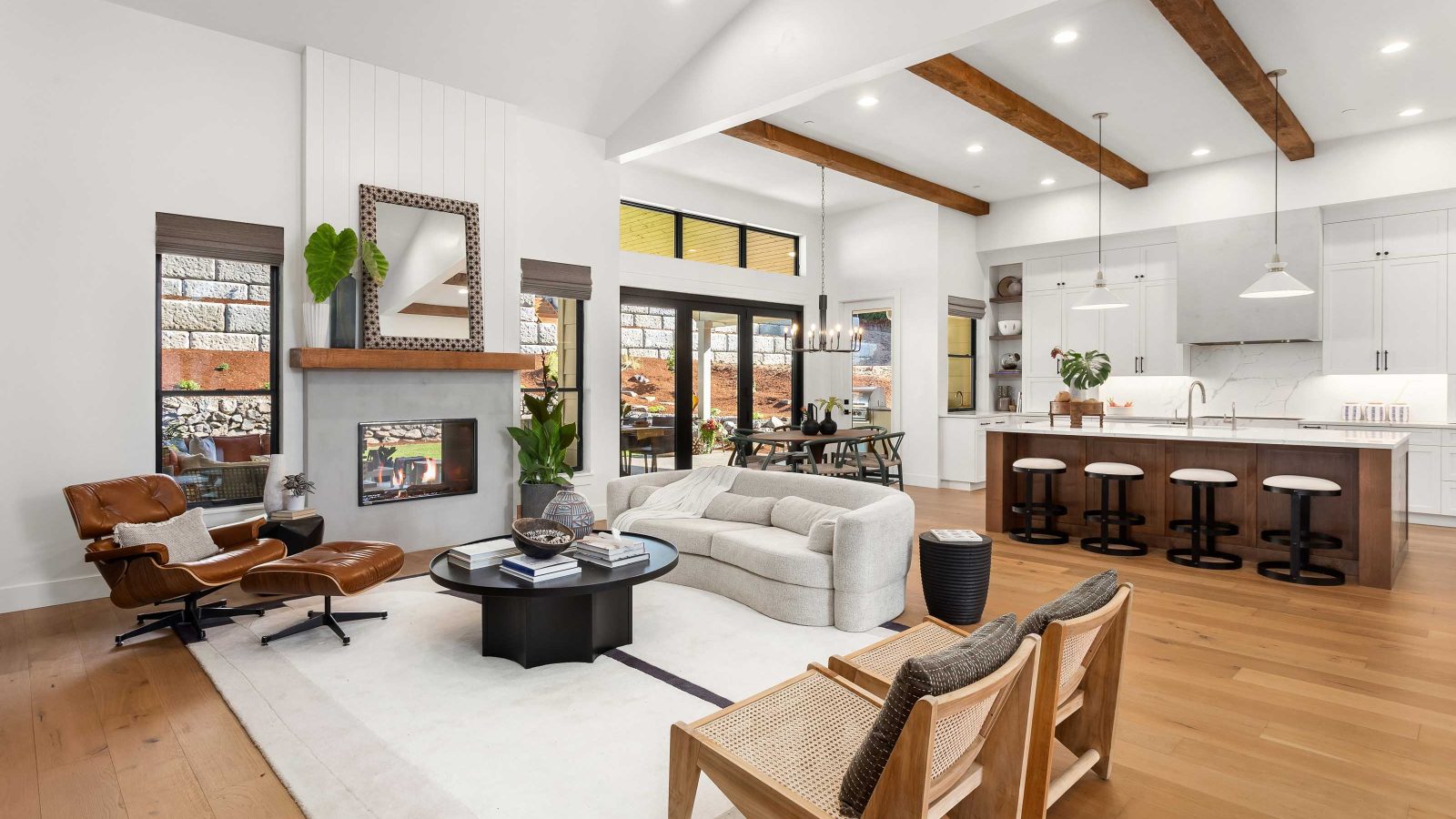
In some homes, the focal point is obvious. It might be a fireplace, a large window, built-in shelving, or the television. In other rooms, you may need to create one using artwork, a statement coffee table, or the main sofa arrangement.
Once you know the focal point, place the main seating so it relates naturally to it. This makes the room feel more balanced and helps avoid a layout that seems random or disconnected.
Keep Movement Easy and Uncluttered
One of the biggest layout mistakes is forgetting about movement. A room can look stylish on paper but still feel frustrating if people have to squeeze past furniture, walk around sharp corners, or constantly shift pieces to get through. A living room should allow easy movement from one area to another.
Leave enough space between furniture pieces so the room feels open and easy to navigate. Think about how people enter the room, cross it, and sit down. The best layouts feel effortless because they work with the natural flow of daily life.
Choose the Right Sofa for the Shape of the Room
The sofa usually sets the tone for the entire layout. That is why shape matters just as much as size.
A standard straight sofa may work well in one room, while another space benefits more from a sectional that helps define the seating area. In family homes or open-plan spaces, sectionals can be especially useful because they create structure without making the room feel formal.
This is also where details matter. If you are choosing a sectional, understanding orientation is essential. Knowing the difference between left-arm facing and right-arm facing can save you from making an expensive mistake, especially when planning around corners, windows, or adjoining spaces. DreamSofa has a helpful guide on LAF and RAF sectional sofa terminology that explains how this works in a practical way.
Avoid Pushing Everything Against the Walls
A common instinct is to place every piece of furniture around the edges of the room in order to make the space feel bigger.
In reality, this often has the opposite effect. It can leave the centre of the room feeling empty while making conversations feel distant and disconnected. In larger living rooms, furniture pushed against the walls can actually make the space feel less inviting.
Pulling the seating area in slightly often creates a more comfortable and intentional arrangement. Even a small adjustment can make the room feel warmer and better balanced.
Create a Conversation-Friendly Seating Area
A living room should make it easy for people to sit, talk, and relax together. That means the seating should feel connected rather than scattered. Chairs and sofas should be positioned close enough for conversation to feel natural. A coffee table or ottoman in the middle can help anchor the arrangement and make the space feel complete.
This does not mean every seat needs to face each other perfectly. It simply means the layout should support real interaction instead of leaving everyone angled awkwardly toward different parts of the room.
Think About Scale, Not Just Style
It is possible to choose beautiful furniture that still feels wrong in the room. This usually comes down to scale. A sofa that is too large can overwhelm the space, while pieces that are too small may make the room feel underfurnished and disconnected. The same applies to rugs, coffee tables, lighting, and accent chairs.
Try to create visual balance between larger and smaller items. If the room has one substantial piece, such as a sectional, pair it with furniture that complements it rather than competes with it. A layout works best when the proportions feel right.
Use Rugs to Define the Space
A rug does more than soften the room. It helps organise the layout. In open-plan homes, a rug can visually mark the living area and stop the space from feeling vague or unfinished. In smaller rooms, it can help pull the furniture together and create a stronger sense of unity.
The rug should be large enough to connect the main seating pieces. If it is too small, the room can feel fragmented. A well-sized rug helps everything look more grounded and considered.
Plan for Everyday Comfort, Not Just First Impressions
Some living rooms are arranged to impress rather than to live in. They may look neat, but they do not feel comfortable once daily routines take over.
Real life includes blankets, cups of tea, charging cables, children’s toys, and people putting their feet up after a long day. A successful layout allows for this. It leaves room for side tables where you need them, lighting where it is useful, and seating that supports how people actually relax.
Comfort is not the enemy of style. In the best living rooms, the two work together.
Final Thoughts
A living room layout that works for real life is rarely about following strict design rules. It is about understanding how the room needs to function and then making choices that support that purpose.
When you focus on flow, comfort, proportion, and the right furniture arrangement, the room starts to feel easier to live in. It looks better, but more importantly, it works better.
That is what good design should do. It should make everyday life feel a little more comfortable, a little more practical, and a lot more enjoyable.
FAQs
What is the best way to arrange furniture in a living room?
The best way to arrange living room furniture is to start with the room’s main purpose and focal point. From there, place the main seating so it feels connected, leaves enough walking space, and supports conversation. A good layout should feel comfortable to use every day, not just look nice.
Should a sofa always go against the wall?
Not always. In many living rooms, pulling the sofa slightly away from the wall can make the space feel warmer and more intentional. While placing furniture against the wall may seem like a way to create more room, it can sometimes make the layout feel disconnected.
How do I choose the right sectional for my living room layout?
Start by measuring the room carefully and thinking about how people move through the space. You should also consider the sectional’s orientation, especially if it will sit near a corner, doorway, or open-plan area. Understanding left-arm facing and right-arm facing sectionals can help you avoid choosing the wrong configuration.
How can I make a small living room layout feel more functional?
Focus on furniture that fits the scale of the room and avoid overcrowding the space. Use a rug to define the seating area, keep walkways clear, and choose pieces that serve more than one purpose when possible. Even a small living room can feel comfortable and practical with the right layout.
 Our newsletters emailed directly to you