Features / Advertising Feature
Most of your plate, most of the time: the real-food movement made for Bristol
A new British movement wants to get us all eating more real, minimally processed food — and in a city that already loves its independent delis, allotments and farmers’ markets, it might just feel like home.
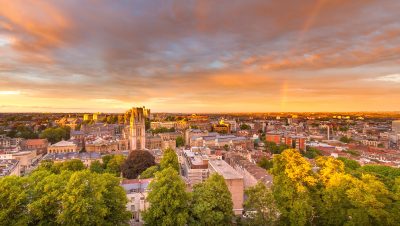
Bristol has never needed much convincing that food matters. This is a city of veg boxes and zero-waste shops, of Tobacco Factory market mornings and allotment waiting lists longer than your arm. So a movement built around eating more real, whole food and less of the ultra-processed stuff isn’t a hard sell here. If anything, it’s overdue.
The campaign is called The Whole Plate, and it comes from British wholefoods company Whole Food Earth. Its whole philosophy fits in eight words: most of your plate, most of the time. Real ingredients, simply cooked — with a generous helping of common sense.
Why it matters
The backdrop is sobering. 54% of the calories UK adults eat now come from ultra-processed food, and for children it’s 66% — the highest share anywhere in Europe. That’s two-thirds of what we’re feeding the next generation made up of things that have been processed far beyond anything you’d do in a home kitchen.
And it’s not evenly shared. Diet-related ill health falls hardest on the communities with the least money and the fewest good food options nearby — something anyone who’s looked at the difference between a Clifton high street and parts of south Bristol will recognise. Real food shouldn’t be a postcode lottery, and the best thing about The Whole Plate is that it treats eating well as something for everyone, not a luxury.
Keeping it simple (and forgiving)
What makes the movement easy to get behind is that it isn’t preachy. There’s no calorie-counting, no banned list, no guilt. Instead there are five gentle rules of thumb: if your grandmother wouldn’t recognise it, think twice; five ingredients or fewer, almost always; cook one more meal a week than you did last week; half the plate plants — fresh, frozen, tinned or dried, they all count; and treats stay treats, made of real things and enjoyed properly.
That “frozen or tinned counts” bit matters. This isn’t about expensive, time-rich, Instagram-perfect eating. Tinned beans, frozen veg, oats and lentils are some of the cheapest food in any shop — and a lot more honest than something engineered to be impossible to stop eating.
A very Bristol kind of project
There’s a community streak running through it, too. The Whole Plate has a “wall” where people across Britain share what’s actually on their plates, a free club offering Whole Food Earth’s lowest prices on thousands of organic wholefoods, and an open invitation to honest local brands and producers — the kind Bristol has in abundance — to get involved under a “Whole Food Approved” badge.
For a city that already backs its independents, grows its own and asks where its food comes from, that’s a movement worth a look.
How to join in
Getting started costs nothing. Sign up to The Whole Plate and you’ll get one short email a day for 30 days — a swap, a recipe, a small idea — with nothing to buy and nothing to count. By the end of the month, the idea goes, your plate looks a little different and a lot more real.
You can start the 30 days at wholefoodearth.com/the-whole-plate. Most of your plate, most of the time — Bristol, this one feels like it was made for you.
UPF figures from analyses of the UK National Diet & Nutrition Survey (NDNS).
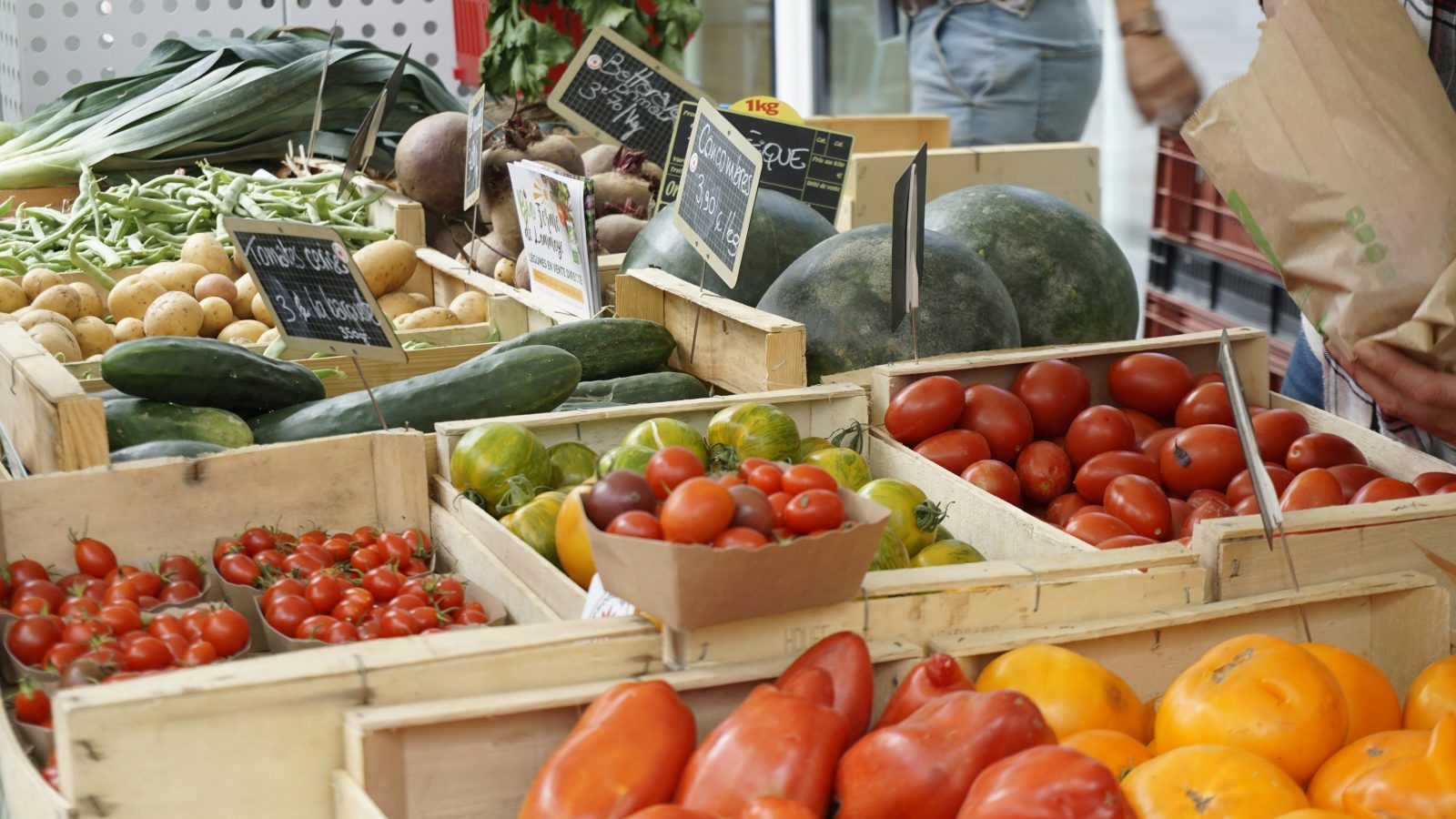
Main image by The Grand Cheese Master on Unsplash
 Our newsletters emailed directly to you