Travel / Advertising Feature
What Every Visitor Should Know Before Tasting Thai Classics
Thai cuisine captures attention with bold aromas, layered spices, and vibrant presentations. Visitors often arrive eager to try famous dishes yet remain unsure about what to expect from authentic flavours, ingredients, or dining customs. This guide introduces essential insights that help create a smoother and more rewarding first tasting experience. It highlights practical details, cultural cues, and flavour notes to make each bite more enjoyable. This article explores useful considerations that enrich the overall food journey for any traveller curious about Thai classics.
Understand the Foundations of Thai Flavours
Thai cooking balances sweet, spicy, salty, sour, and aromatic elements. Each dish reflects a harmony created by fresh herbs, pastes, and broths. Early tastings can feel intense because the flavours unfold quickly and linger. Many visitors underestimate the impact of fresh chilli or fermented ingredients, which deliver strong accents.
The experience becomes easier when travellers know what to expect. Items like lemongrass, galangal, and kaffir lime bring fragrance rather than heat. There is also a growing interest in on-the-move tools used during trips, such as a Thailand travel eSIM, which supports smoother planning through simple connectivity additions. A line or two about these tools helps travellers stay prepared, especially when navigating food markets or searching for local dining spots.
Heat Levels and How to Manage Them
Spice levels vary across dishes and regions. Some recipes feature mild profiles while others achieve a fiery kick within seconds. New tasters often benefit from observing how locals request heat adjustments. Many vendors prepare food quickly, so polite requests made early bring better results.
Helpful Pointers for Handling Spice
is needed now More than ever
- Start with mild options and gradually explore bolder choices.
- Drink water or milk-based beverages rather than cold fizzy drinks.
- Combine rice with rich sauces to soften intense flavours.
This approach allows a more comfortable exploration without overwhelming the palate.
Textures That Define Thai Classics
Thailand dishes incorporate contrasting textures that create interest in every bite. Crunchy vegetables, soft noodles, tender proteins, and creamy coconut bases often appear together. These combinations may feel surprising for first-time diners, yet they form the core of traditional taste.
Some dishes highlight delicate textures such as silky curries or smooth soups. Others emphasise chewiness or crispness, creating layers in a single serving. Understanding this variety helps visitors appreciate how each ingredient contributes to the full experience.
Dining Etiquette Worth Knowing
Eating customs vary slightly across venues. Cutlery usually includes a spoon and a fork rather than a knife. The spoon acts as the main tool while the fork helps guide food. Chopsticks appear mostly at noodle shops.
Simple Etiquette Tips
- Place shared dishes at the centre of the table.
- Take modest portions and revisit the plate as needed.
- Keep conversation soft to maintain a relaxed atmosphere.
Friendly manners enhance the dining moment and show respect for local traditions.
Street Food: A Must-Experience Adventure
Street stalls offer some of the most memorable Thai classics. Freshly cooked dishes appear in minutes, and each vendor showcases a speciality refined through years of practice. Exploring these stalls introduces visitors to both familiar and lesser-known treats.
Travel-friendly tools like a Thailand travel eSIM can help with quick translations, map access, or reviews. Including one or two lines about such tools supports smooth roaming during food-hunting adventures without turning the focus into a promotional message. Street food discovery becomes easier when travellers navigate confidently.
Signature Dishes Worth Trying
Some classics appear repeatedly on menus because they represent essential flavours of the culture. Exploring them provides a strong foundation for understanding Thai cooking as a whole.
Pad Thai
This dish blends noodles, tamarind, tofu, shrimp, peanuts, and lime. The texture is soft with a gentle crunch, creating an approachable introduction for beginners.
Green Curry
Green curry offers a creamy consistency with a layered herbal flavour. Its heat varies, but the richness of coconut milk balances the spices beautifully.
Tom Yum Soup
This hot and sour soup presents bold aromas through lemongrass, lime, and chilli. It stands out for its refreshing yet punchy character.
Trying these dishes first helps new visitors understand the range of flavours found across Thai cuisine.
Ingredients That May Surprise New Visitors
Fermented fish sauce, shrimp paste, and pickled vegetables appear frequently. These elements create depth and umami but may seem unusual to newcomers. The aroma can catch travellers off guard, yet the flavour transforms once combined with herbs, citrus, and broth. Fresh herbs contribute vibrant notes. Thai basil, coriander, and mint bring life to salads, stir-fries, and soups. These herbs define the brightness often associated with Thai dishes.
Thai cuisine offers an exciting blend of heat, texture, and aroma that leaves a lasting impression. Visitors who understand local customs, common ingredients, and basic flavour profiles approach each dish with greater confidence. The addition of small conveniences like a Thailand travel eSIM can support smoother exploration while discovering different dining spots. With thoughtful preparation and a curious palate, every tasting moment becomes a rewarding experience.
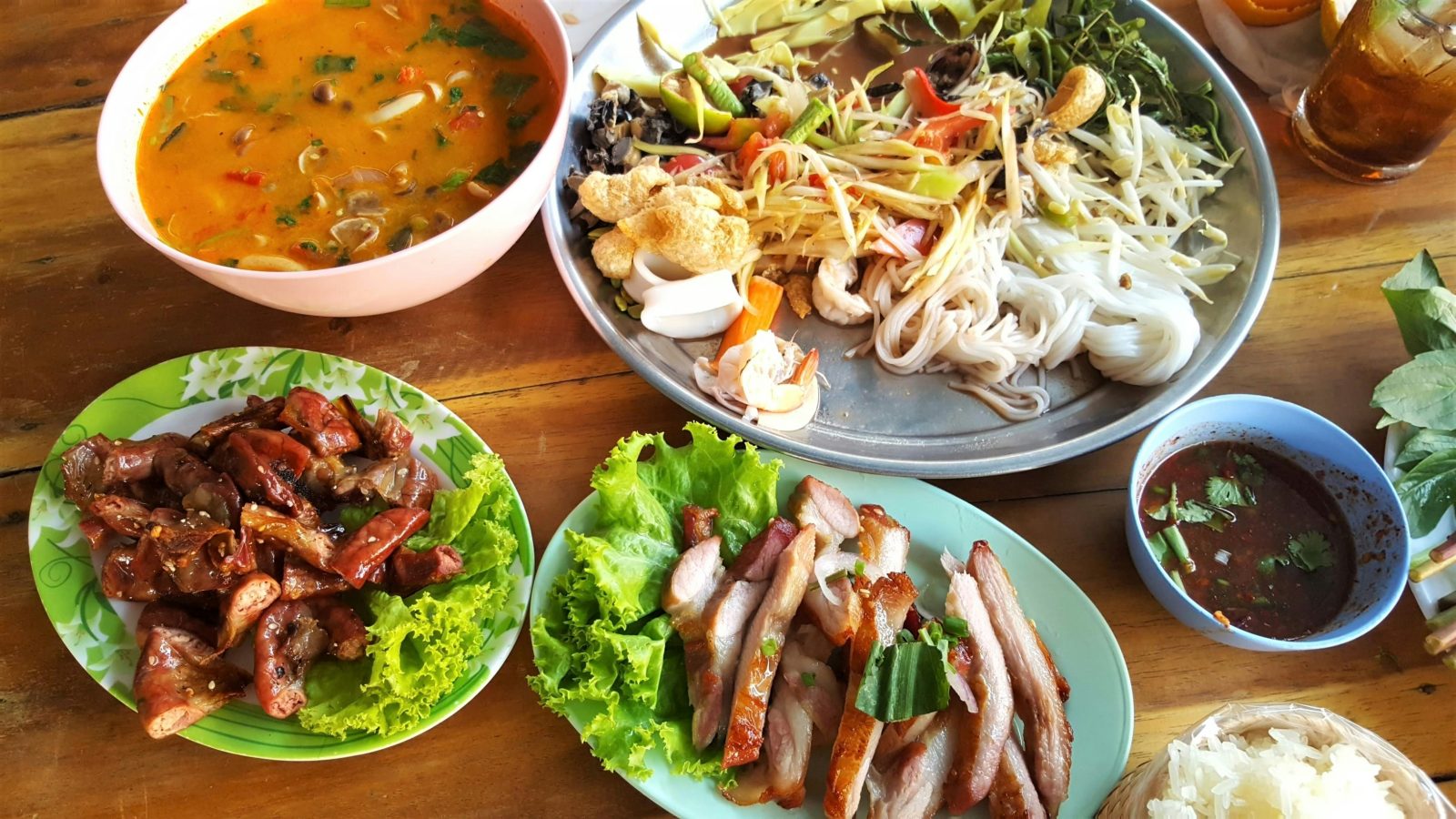
Main image by Jerome Jome on Unsplash
 Our newsletters emailed directly to you