Travel / Advertising Feature
How turboprop aircraft work and why they are so efficient
Many passengers still associate propellers with aircraft from decades past. But it’s only a misconception: today’s turboprops are among the most advanced and efficient aircraft in regional aviation. Turboprops use a gas turbine engine to drive a propeller; in particular, this engine produces shaft power that turns the propeller. This is how they can offer advantages that jets cannot match on shorter routes.
This design allows the engine to run at the right pressures and temperatures while the propeller moves large volumes of air slowly and efficiently. The result is an aircraft perfectly suited to flights around 345 miles, cruising between 250 and 400 knots at altitudes below 25,000 feet.
Efficiency that keeps routes open
The performance difference is striking. Turboprops use up to 45% less fuel and emit 45% less CO₂ than comparable regional jets. On short routes, where margins are tight and demand may be limited, efficiency can determine whether an airline can operate at all. Cutting fuel use nearly in half makes it possible to keep vital connections alive between smaller communities and larger transport hubs.
Maintenance is another factor. Turboprop aircraft run at lower temperatures and pressures than jets, which extends engine life and reduces component costs. Additionally, it enables airlines to serve remote areas, where reliability is essential and maintenance facilities may be limited. This resilience is often just as important as fuel savings.
is needed now More than ever
Built for difficult conditions
Turboprops excel where jets struggle. They are specifically effective in case of short or unpaved runways, they can handle hot-and-high conditions, and manage crosswinds more effectively, too.
Jets often cannot serve remote regions exactly because of the state of their runways, for example, on mountaintops, or small islands. Turboprops have no such limitation.
This adaptability makes them indispensable for a wide range of operations, from regional commuter routes to humanitarian missions, and also cargo services in remote locations, like medical supplies. This is why forecasted demand is for 2,100 new passenger turboprops and 500 freighters over the next 20 years.
Innovation shaping the future
Another misconception is that turboprops cannot innovate. This couldn’t be further from the truth, as they continue to evolve with new models and technology. For instance, the PW127XT engine unlocked at least 3% fuel efficiency, compared to earlier designs. Besides, ATR’s EVO concept aims to incorporate hybrid propulsion and aerodynamic upgrades that could grant significant reductions in both fuel burn and maintenance costs.
Meanwhile, there’s important work on alternative fuels, too. ATR aircraft are already cleared to fly with up to 50% Sustainable Aviation Fuel (SAF), and in 2022, the company performed the world’s first 100% SAF flight in a commercial regional aircraft. By 2030, they aim to achieve full SAF compatibility.
Conclusion
Turboprops are far from outdated technology. Their efficiency, versatility, and ability to serve routes that jets cannot reach make them essential to regional aviation. In the push for both accessibility and responsibility in air travel, turboprops continue to prove that sometimes the smartest technology is also the simplest.
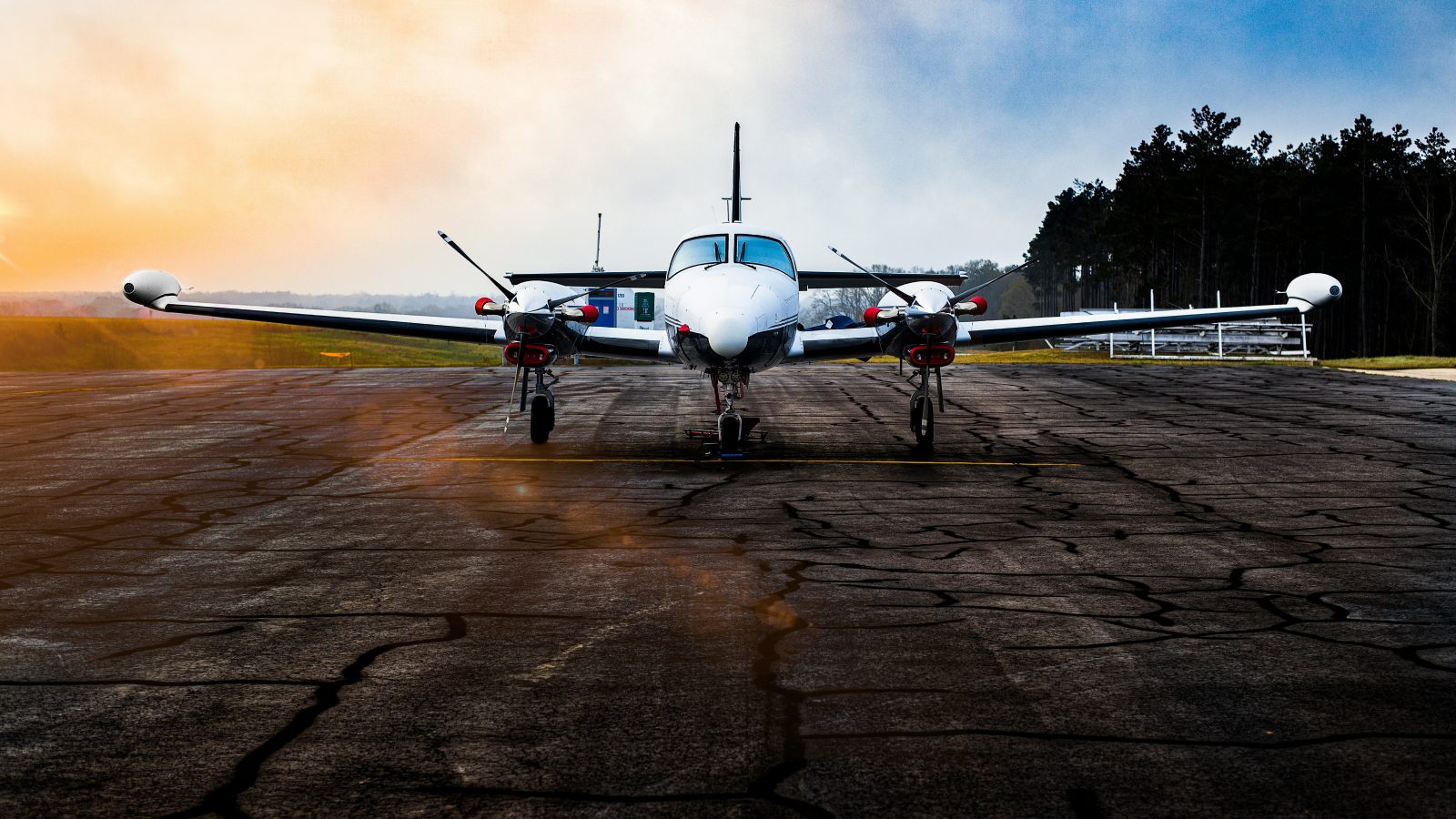
Photo by Anthony Duran on Unsplash
 Our newsletters emailed directly to you