Health and Fitness / Easton Leisure Centre
What are women-only spaces really for?
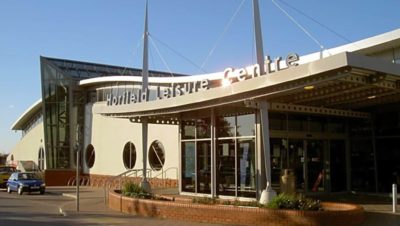
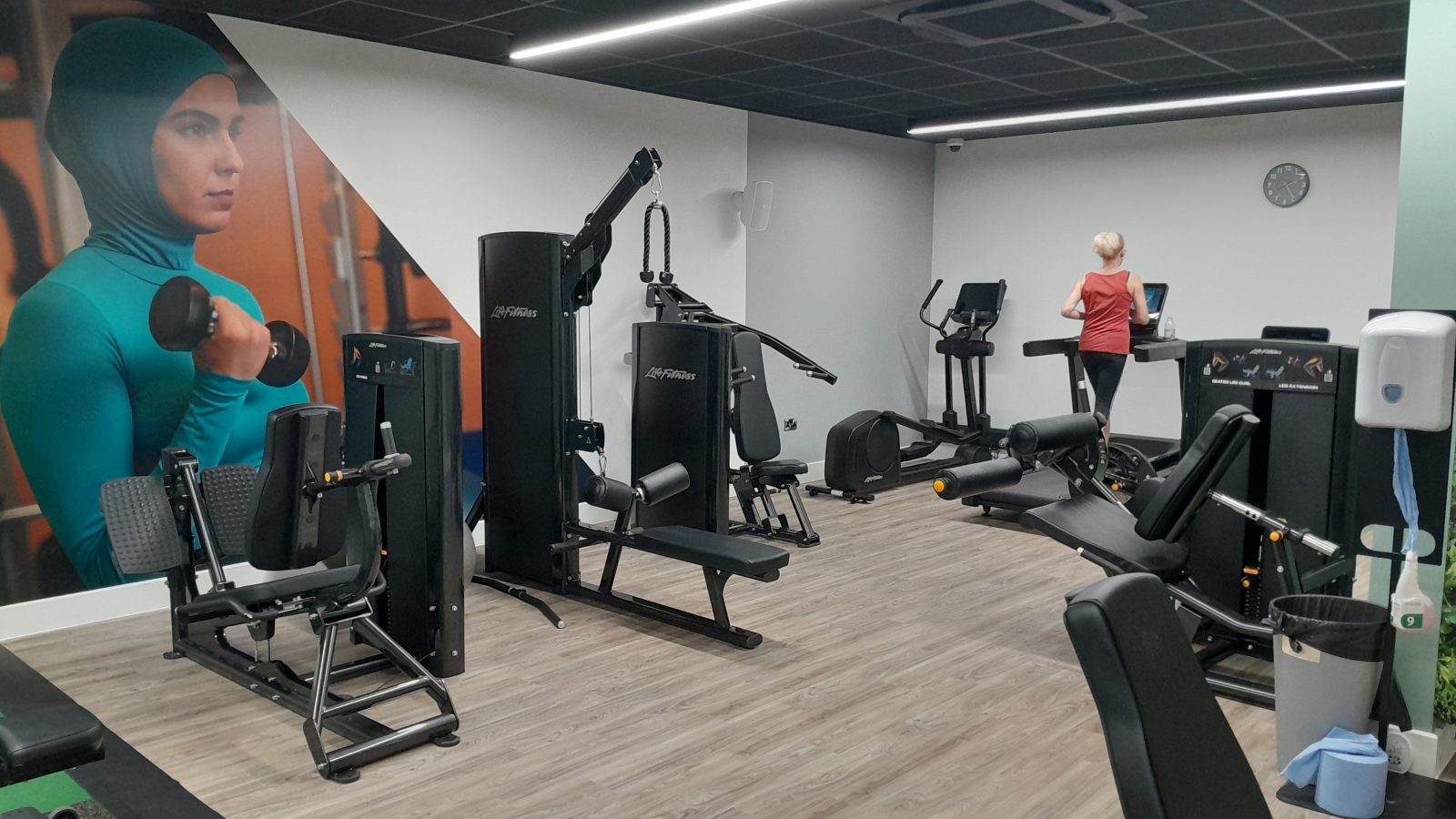
On a hot May morning, the women-only gym at Easton Leisure Centre feels like a calm oasis. Free from the usual high-performance tension that often hangs in the air in many mixed gyms, women are quietly focused on their workouts.
In recent years, public debate around women-only spaces has focused largely on questions about access for trans women. Safety has often been the dominant frame: who poses a threat to whom, and in which direction.
But ask the women who actually use these spaces what they are for and a more nuanced picture emerges.
is needed now More than ever
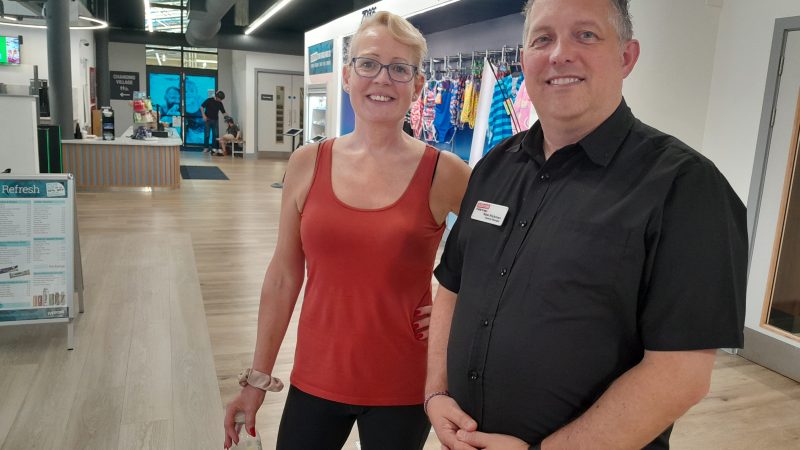
Julie Keep, who has attended the gym for 20 years, said the space has been transformative for some of her friends – photo: Kiran Dhami
“Safety to me is not about physical safety,” said Siham, who lives in St Paul’s and started using the gym only when the women-only space opened in January. “It’s more of an emotional safety than a physical one.”
Easton Leisure Centre opened its women-only gym following community consultation during Bristol City Council’s leisure services tender process. Since then, use of the gym has grown sharply.
“We were getting around 19,000 gym visits a month, now we’re getting around 25,000,” says Noel Hickman, the centre’s general manager. “That increase is made up mainly of women using the women-only gym.”
Hickman said the figures suggest the space is attracting women who were previously not using the gym at all, rather than simply shifting existing members into a separate room.
The appetite for women-only spaces is growing, with an extra women’s circuit training session currently being added to the programme.
For some women, cultural or religious considerations also play a significant role.
“We acted on feedback from the local community around Easton to increase women’s participation in sport,” said Hickman. “Women didn’t want to walk through the mixed gym space to access a gym, so we created a separate entrance and exit.”
While women from many backgrounds use the gym, Hickman said there has been a particularly strong uptake among local Muslim women and women experiencing anxiety.
“It’s not just a gym,” he added. “It also serves as a kind of community area where you can chat to other women.”
Tucked into one of Bristol’s most diverse neighbourhoods, the gym has developed a strong reputation through word of mouth among local women.
Women repeatedly described feeling more relaxed in the women-only space. Several said they felt more confident using unfamiliar equipment or asking their fellow gym-goers for help.
“You can enjoy the space more knowing it’s women only in there,” said Siham. “There can be a bit of fear of men’s spaces because you feel you’re taking up space that’s meant to be for them. It’s not right, but it just feels more comfortable.”
Local resident Flo Meadows says she specifically joined because the gym was women-only.
“There’s less pressure to perform,” she says. “I’m less worried about people staring at me. I don’t feel embarrassed to ask for help.
“I’m not the most confident in the gym, so I much prefer to be in a supportive space like this.”
Yusra Hussein had previously used the mixed gym before switching.
“The women-only gym isn’t about physical safety,” she says. “It’s more about being away from men looking at you.”
That distinction came up repeatedly in conversations with gym users. Women rarely described mixed gyms as physically unsafe. More often, they spoke about self-consciousness, unwanted attention and the feeling of being watched.
“It’s amazing,” says Frihiya Farah, who also switched from the mixed gym. “It’s great to have that privacy.
“The atmosphere is different with no men around. You don’t feel anxious, you feel comfortable to wear whatever you want.”
The women-only gym at Easton Leisure Centre has scope for possible expansion in the future – photo: Kiran Dhami
Research increasingly supports what many women describe anecdotally. A study, co-authored by researchers at University of the West of England (UWE Bristol) in 2025, found that many women experienced mixed gym environments as intimidating and male-dominated, while women-only or supportive fitness spaces were associated with greater confidence, comfort and feelings of empowerment.
Julie Keep, who has used the leisure centre for around 20 years, said the women-only space has been transformative for some of her friends.
“I’ve got friends from different cultures who feel more comfortable in a women-only space, so the gym is great for them,” said Keep. “A lot of women just don’t like to work out with men. I used to be one of those women.”
She added that her own confidence has grown over time, and she now uses both spaces depending on what she wants from the experience.
“If I’m on my own and want some quiet time, I’ll go to the women-only gym. If I want more company, I’ll go to the mixed gym because it’s usually busier.”
But she believes the existence of the women-only space itself is vital.
“That women-only gym is a lifesaver for a lot of people.”
The politics surrounding women-only spaces have intensified following the Supreme Court ruling in April and subsequent guidance from the Equality and Human Rights Commission clarifying that “woman” under the Equality Act 2010 refers only to biological sex.
“We’ve always kept up to date with the evolving guidance about access to space,” said Hickman. “We operate as an inclusive space, welcome to all, and we have clear policies so as not to cause confusion.”
For most women interviewed, the conversation was less about legal definitions and more about the experience of exercising itself.
“As a community, this leisure centre is a brilliant place,” said Keep. “There aren’t many places left where people from all different parts of the community mix together, but this is one of them.”
In a city that does not have enough shared community spaces, Easton’s women-only gym has become something more than a fitness room.
For many women who use it, it provides a much-needed place where they can exercise without feeling watched, judged or out of place.
Kiran Dhami is reporting on St George, Easton and Eastville as part of Bristol24/7’s Community Reporters programme, aiming to amplify marginalised voices and communities often overlooked by mainstream media.
This initiative is funded by our public, Better Business members and a grant from the Nisbets Trust.
All photos: Kiran Dhami
Read next:
 Our newsletters emailed directly to you