Poetry / Reviews
Review: Raise the Bar’s Poems of Diaspora!, Arnolfini – ‘Unforgettable energy and empowerment’
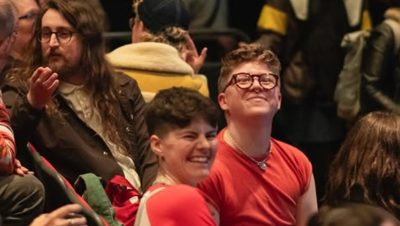
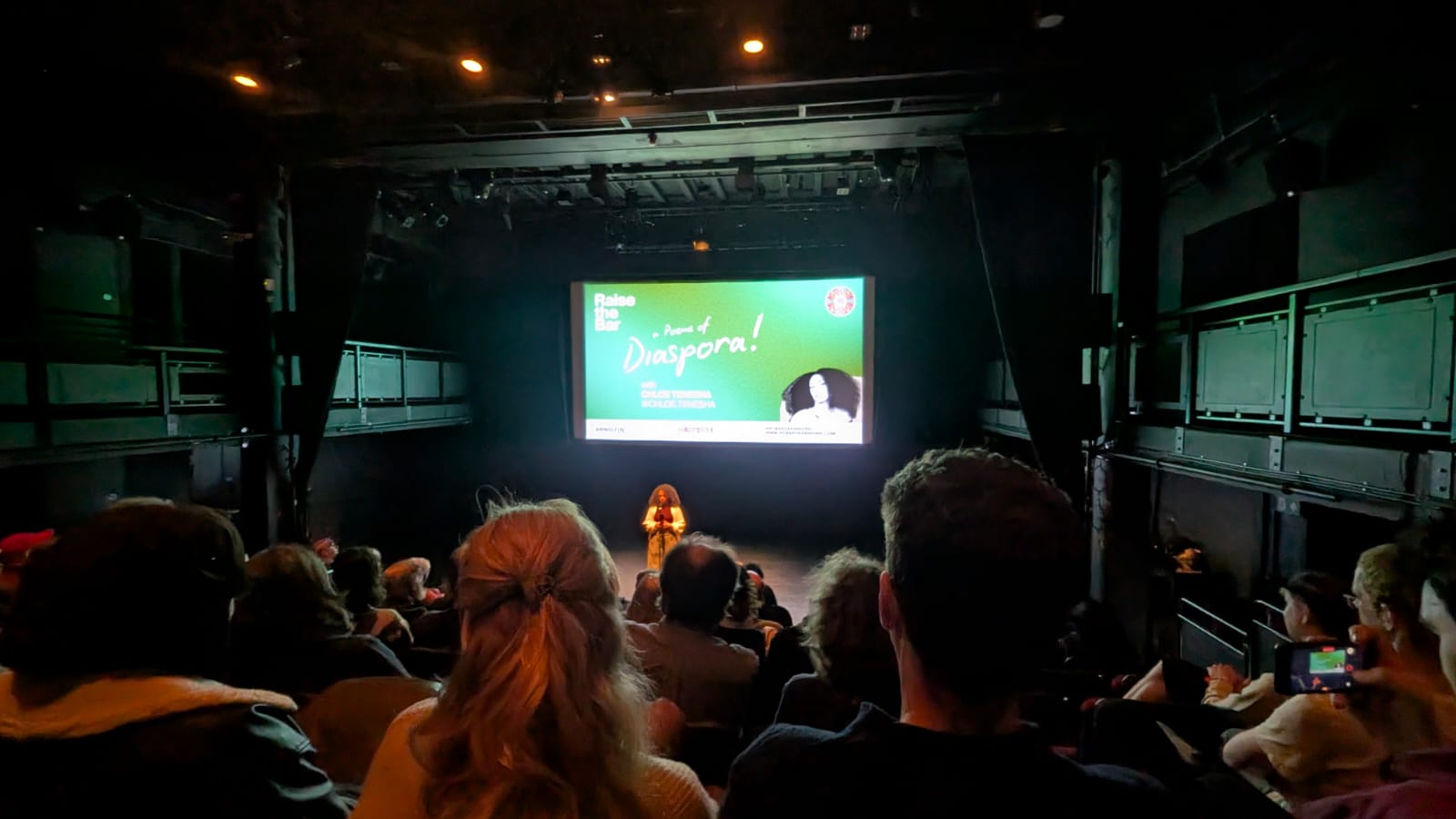
Packed in among more than 100 events in the Diaspora! 2026 lineup, Raise the Bar’s poetry night brought unforgettable energy and empowerment to the stage.
The audience prepared their cheering skills with director and founder, Danny Carlo Pandolfi, being able to give scores from 0.5 to ten. By the end of the night, every poet was rightly rewarded with the top score.
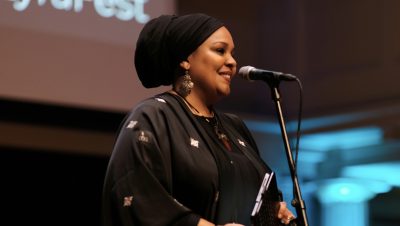
After the ‘sacrificial poet’, Saili Katebe, warmed up the stage with a poem reflecting on his Zambian heritage, audiences met Lyra Poetry Festival’s 2026 Poetry Slam champion, Chloe Tenesha.
is needed now More than ever
Although currently London based, Chloe is from Bristol. With poetry exploring her Caribbean roots and the politics of worshipping the light and hating the dark, she darkened the room in the best way.
With her first poem she asked: “Is darkness not your aunty’s arms stretched over home cooked food?”
“Is darkness not sacred?”
The poem ended with a prayer for her future, not that it will be bright – but dark as her mother’s womb.
Chloe delivered a passionate, vital performance despite expressing her exhaustion from her current 9 to 5 job, saying: “Poetry doesn’t pay the bills… yet!”
Next, Daljit Nagra graced the stage with exclusive excerpts from his upcoming book, Yiewsley, exploring his childhood as an immigrant from Punjab in 1980s Sheffield.
Thanks to Arnolfini Bookshop, attendees could grab their copies and get them signed two weeks ahead of the official publication date.
Daljit tuned the audience into the 70s vibes by listing a few symbols of the period, and asking for cheers and boos in response. David Bowie and platform shoes were a hit, unlike Margaret Thatcher.
Daljit lovingly described his mother, who features prominently in the anthology, as a “feisty, quite indestructible woman” with good oral memory, particularly for anyone who disses her.
Another charming character was his childhood friend Nigel, who he described as a “safe space” as he learned to adjust to the West. The crowd laughed as Daljit asserted the anthology’s aim to “cleanse the name Nigel; this is a nice Nigel”.
After a brief interval escape into the night air, the audience returned to disappointing news. Due to typical train disruptions, Maureen Onwali couldn’t make the night.
However, Danny offered himself as the sacrificial poet to open the second half of the night, which was usurped by the audience as they tossed their names in the hat to be chosen as one of four poets to share a poem.
None disappointed and we were gifted with explorations of samba’s association with witchcraft in Brazil; finding freedom in queerness; cutting off your mother tongue; and finally with a sneak peak at a poet’s speech for her brother’s upcoming wedding.
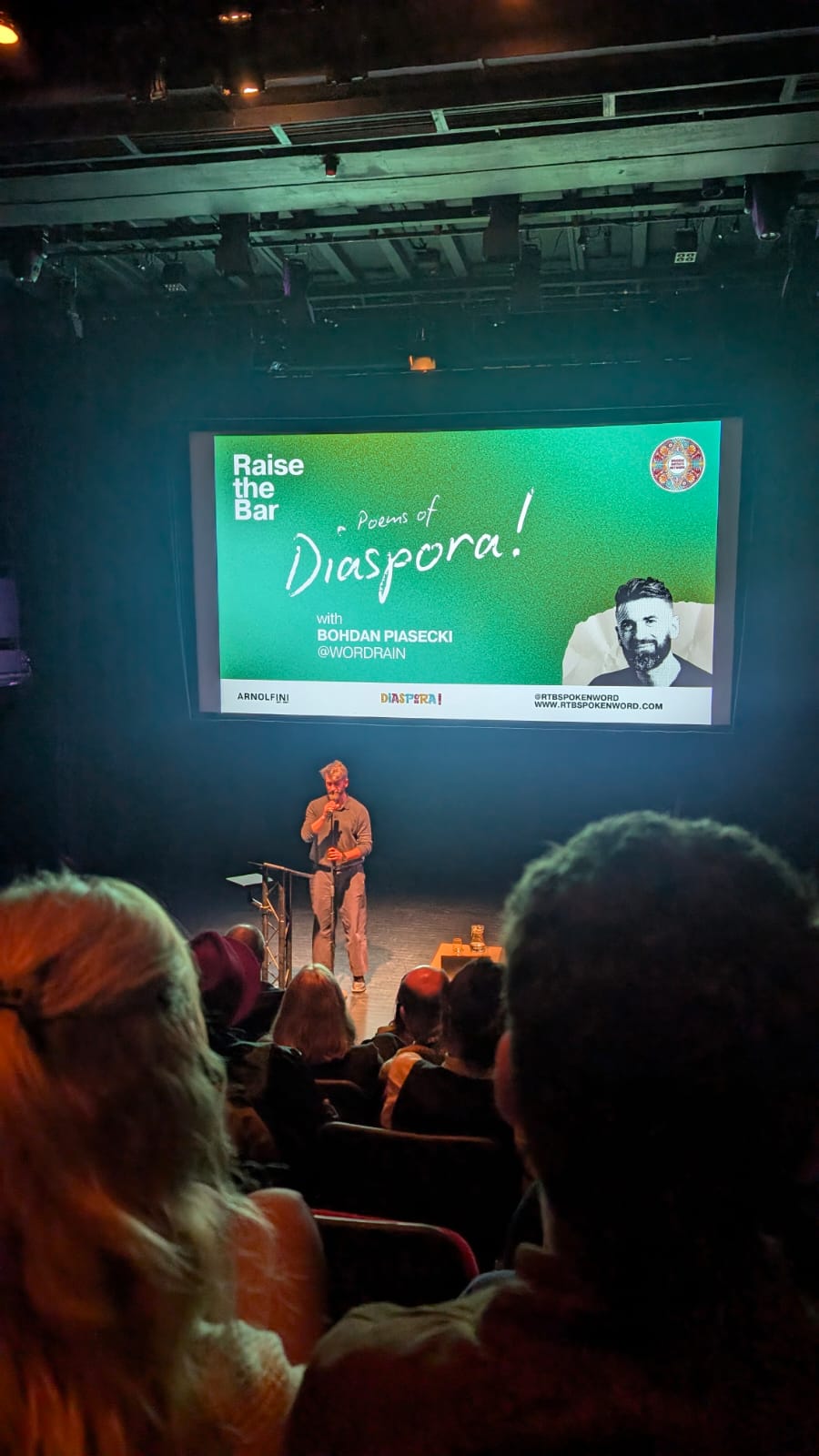
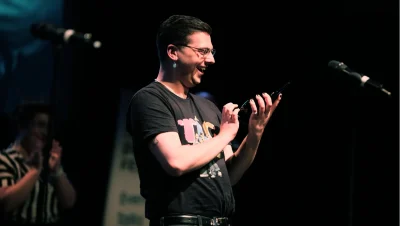
Bohdan Piasecki founded the first poetry slam in Poland just before moving to Birmingham – photo: Aurora Amaryllis
To end the night, Bohdan Piasecki introduced himself as a scam caller: “You could be making £800 in passive income a day,”
“You could be driving something German. You could be the person your dog thinks you are.”
His charming stage presence entertained and discomforted the audience in all the right ways, and ended his set with a final poem in Polish, which, before reciting, he asserted: “Believe me, it’s very good.”
His assertion was very believable, as feeling and melody punctuated his every word.
After Bohdan had finished complimenting the audience’s ‘collective hair’ for the second time, Danny and Saili resumed their mantles as hosts to thank and released the audience to the sacred darkness of Bristol’s night.
Main photo: Aurora Amaryllis
Read next:
 Our newsletters emailed directly to you