Poetry / Lyra Bristol Poetry Festival
‘Representation has become more necessary as a poetic endeavour’
For many readers and poets in our city, the most exciting time of the year has arrived.
From Thursday until April 26, the Lyra Bristol Poetry Festival returns – larger and more ambitious than ever.
However, the most meaningful part of the festival is not its size but its diversity with the festival striving to offer a far-reaching platform to connect Bristol’s communities through poetry.
is needed now More than ever
With this year’s inclusive lineup, attendees will get to hear from people are too often underrepresented.
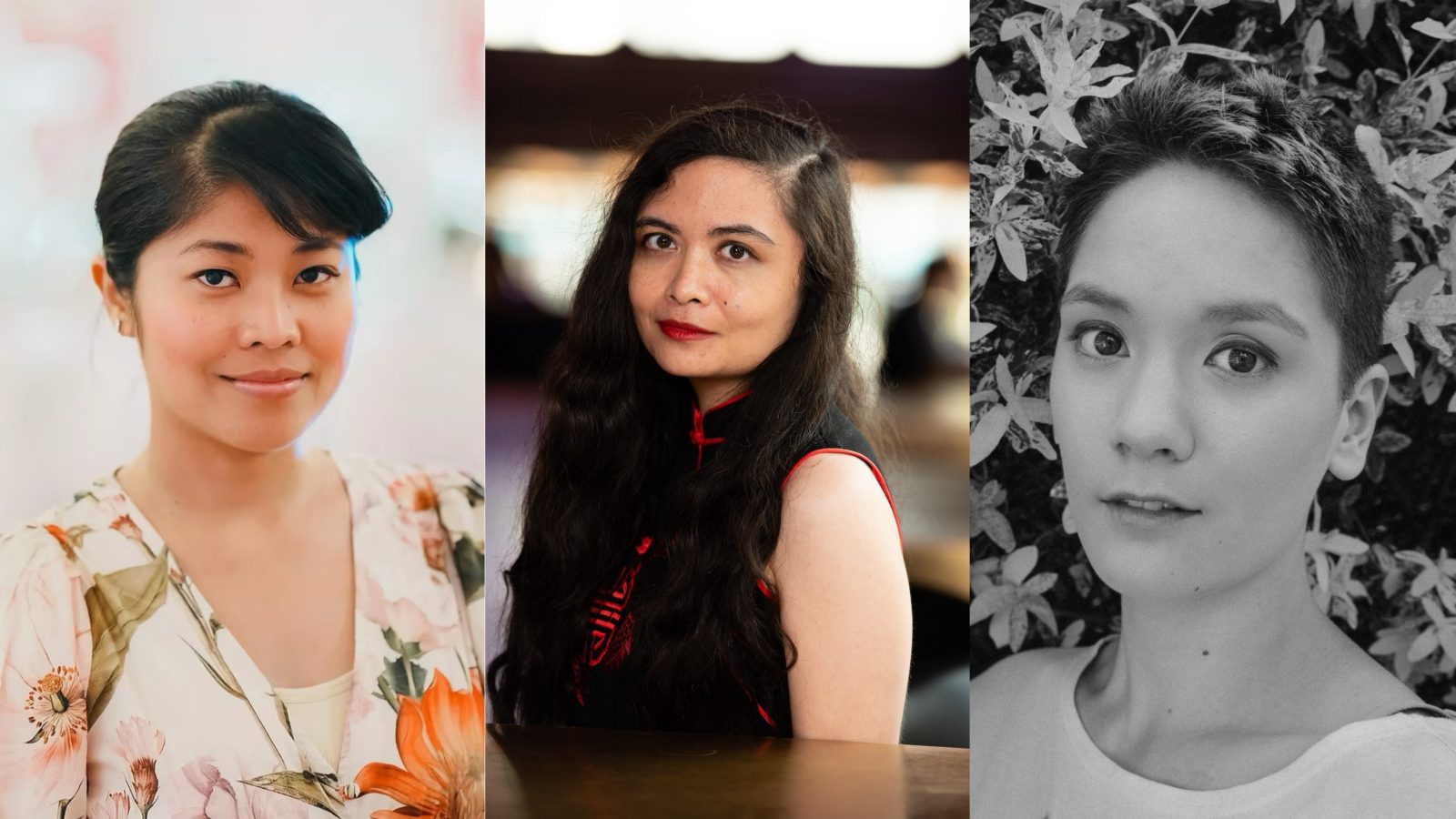
Ahead of the festival, Bristol 24/7 spoke with three Southeast Asian poets featured in 2026’s programme: Romalyn Ante, Natalie Linh Bolderston and Cat Chong.
We asked them what Lyra means to them and what audiences can expect from their work.
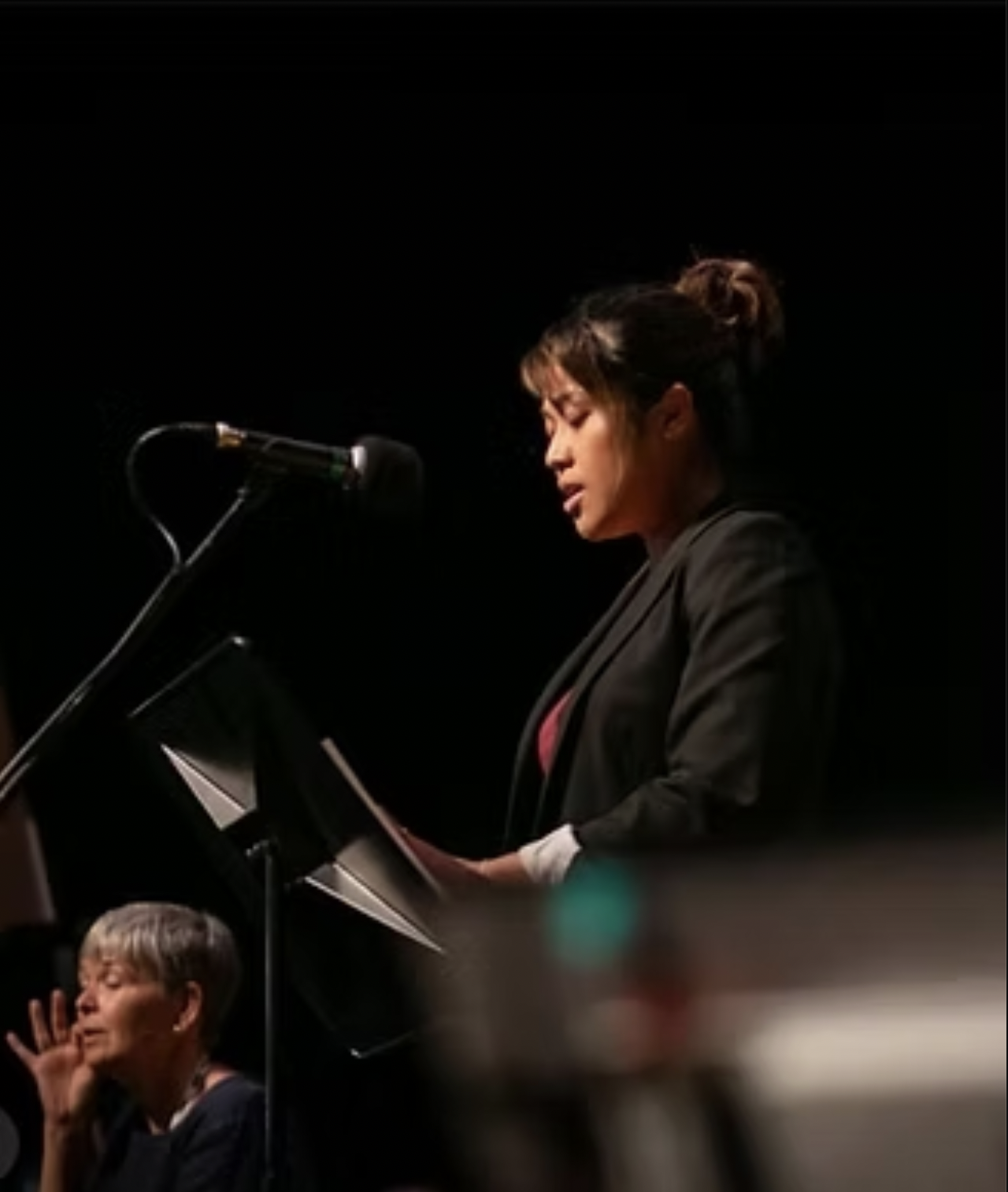
Romalyn Ante is a Filipino and British poet – photo: Romalyn Ante
Romalyn Ante was born in the Philippines and moved to the UK at 16, where she has worked as an NHS nurse ever since.
Listening to Romalyn, it sounds like migration hasn’t changed her love for her upbringing, in fact sharpening it.
Her work is rooted in a deep commitment to telling the stories of her home country, alongside her own experiences as a migrant worker.
“Initially, my intuition is to write the poems that I really want to write,” she says. “But I also write poems which can serve the spotlight in the British scene.”
“I grew up in a family with oral history and riddles and proverbs and guitar songs… I dream in Tagalog and English.”
“So ultimately, I’m both a Filipino and a British writer.”
“To not write about my Filipino heritage, though I’ve been living in the UK for more than half of my life, would be insincere for me.”
Much of Romalyn’s poetry focuses on her heritage.
In her debut poetry collection, Antiemetic for Homesickness, you’ll find a poem in the form of notes that accompany balikbayan boxes (which are care packages in big cartons sent by migrant Filipinos to relatives in the Philippines).
She also writes a tagay and an uyayi, which are two uniquely Filipino poetic forms.
“When I write about Tagalog or my culture… I don’t really think about how the British landscape would take it or see it,” she tells me.
“But, I find the balance of using the language not to segregate or confuse.”
“I think the power of language is in bridging different cultures or ideas. I try to be a linguistic bridge.”
It’s an idea that echoes one of her poems, At the Other End of the Bridge, which references a Filipino tradition: when a woman leaves her village, her lover will send her off and watch her cross the bridge to the next village.
It’s hard not to see Romalyn in that image too – her work spanning cultures, offering readers a way into experiences that might otherwise remain distant.
At Lyra, she will continue that work. On April 26, she is speaking at the Wonder and Wanderers panel.
Reflecting on the theme, she says: “I think we are all wanderers, even if we haven’t left our neighbourhood or city.”
“But we are all also wonderers, as long as we have our imagination and ability to think.”
“The outside world will always try to convince us that there’s no magic in words, but as long as you believe and do the work, the magic is there.”
Natalie Linh Bolderston is a Vietnamese-Chinese British poet based in Stoke-on-Trent – photo: Adrian Pope
Joining her on the panel is Natalie Linh Bolderston.
Like Romalyn, she navigates multiple cultural identities, drawing on her experience growing up in a Vietnamese-Chinese refugee family in the UK.
As Natalie speaks about what inspires her, one thing stands out: the care with which she holds the memories passed down to her.
“Having a Vietnamese-Chinese mother who was so willing to share her past with me, and who told me her stories in such a moving way, taught me how precious such memories were,” Natalie says.
“Her stories gave me a way to begin to understand who I was, the places and eras that are part of me.”
“That early sense of tenderness and wonder I felt as a listener became foundational to my development as a writer.”
Natalie’s debut pamphlet, The Protection of Ghosts, explores her mother’s and grandmother’s trauma. They both lived in Vietnam until 1978, which was a period of war and political turmoil.
Her writing moves fluidly between their voices and her own.
In the opening poem, she watches her mother peel longan fruits, then slips into her mother’s memory of an encounter with a Vietnamese soldier.
When asked about how she retells memories that are not hers, she says: “When I am working with the memories my mother passed down to me, there is… an element of transformation at play before I begin to write anything down.”
“I always try to be clear that my poems are written through my lens as a daughter born in the UK who can only access certain parts of the past via other people’s words.”
“Even if there are certain physical details that I cannot capture fully, it feels very important to honour the feelings that permeate these inherited memories.”
That sense of responsibility extends beyond her family’s history to the wider realities of war.
Her poem, Operation Ranch Hand, is titled after the codename for the USA’s chemical warfare campaign in the Vietnam War. It focuses on the pain and suffering of civilians, and won the Silver Award in the 2018 Creative Futures competition.
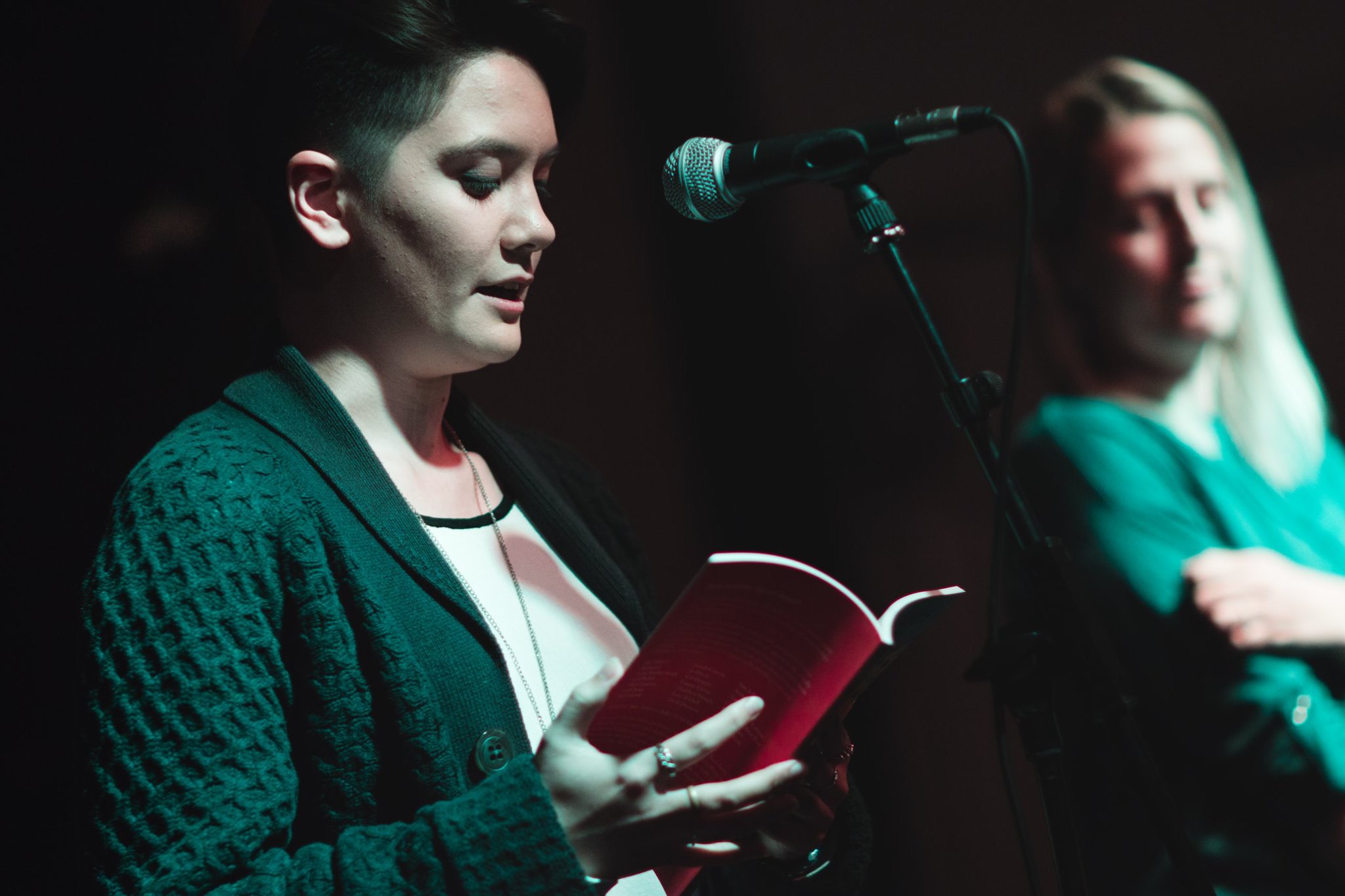
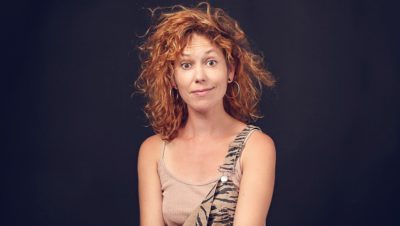
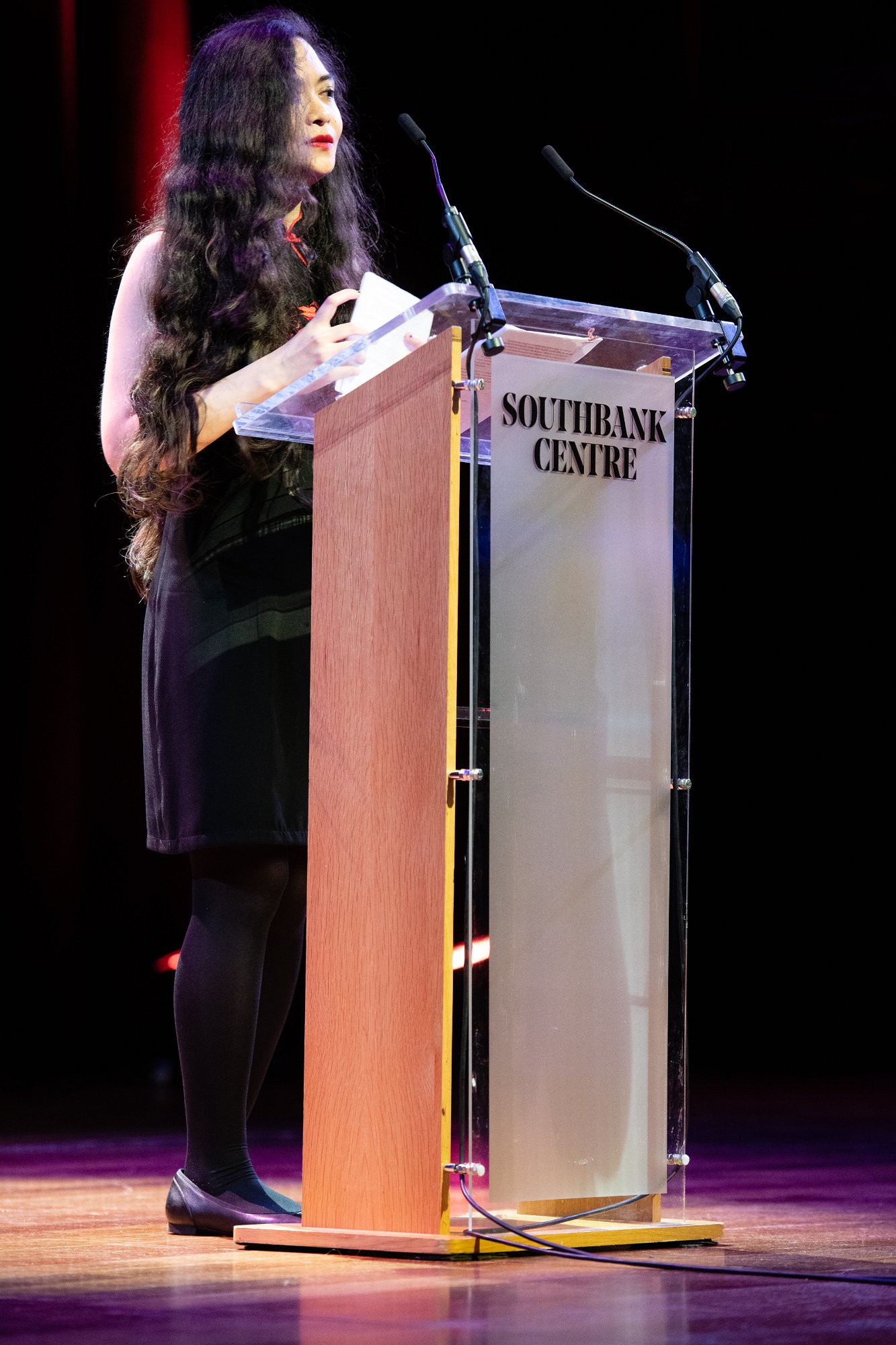
Cat Chong is a poet from Singapore and the UK – photo: Bad Betty
Cat Chong is a poet, publisher and academic who spent half their life in Singapore and half in the UK.
“If my work is an encounter with hard feelings and hard realities, it’s because poetry has become my way of navigating different kinds of crises,” Cat says.
“I’ve found poetry a way of enabling forms of mobility around difficult feelings and situations, not to avoid them, but to make them elastic enough to enable their apprehension and communication.”
“Poetry… can allow us to collectively and collaboratively articulate what concerns us.”
Cat’s poetry is informed by their identity as a transgender, non-binary and disabled person of colour. In their debut collection, 712 Stanzas Home for the Sun, they write fragments about their daily struggles.
In one poem, 645, they vividly describe their chronic illness and local state control.
When asked what shapes their writing, they say: “I don’t hold my identity… as ‘important’ as much as I believe that it’s vitally informed the praxes of solidarity I’ve committed to as a poet.”
On Friday, Cat will be speaking at the Lyra panel for Deaf, Disabled & Neurodivergent Poetics.
They have advocated for queer and disabled communities for a long time. In 2020, they supported The Poetic Spectrum workshop, which was a safe space created for neurodiverse women.
“As the administrative and material violences against racialised, queer, and disabled lives have increased, representation has become more necessary as a poetic endeavour,” Cat says.
“I hope (the festival) allows more of us to work together to make more representation possible.”
Lyra’s Bristol Poetry Festival runs from Thursday to April 26. For more information, visit www.lyrafest.com
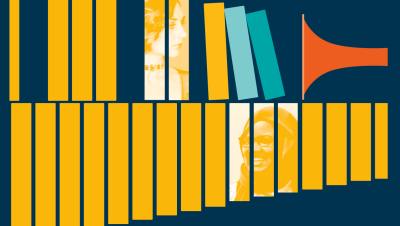
Main photo: Jeremiah Doles, Adrian Pope & Siân Crucefix (left to right)
Read next:
 Our newsletters emailed directly to you