Music / Jazz
Review: Led Bib
Canteen, Tuesday February 21
It had been a while: the last time Led Bib played Bristol it was in the cold back room of the now-lamented Croft. Indeed, there had been a slight sense of the project slipping onto the back burner until word came of a new album – Umbrella Weather – and the inevitable tour … and, having now seen Led Bib in the warmer confines of the Canteen, it can be said they are definitely cooking, and with a new, improved recipe at that.
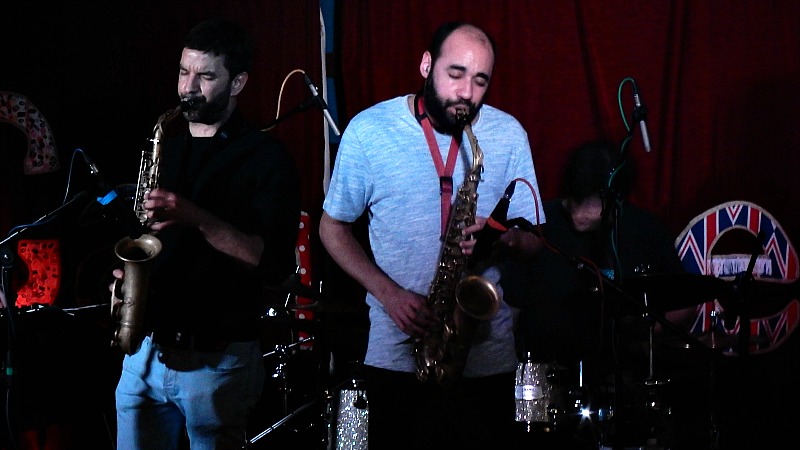
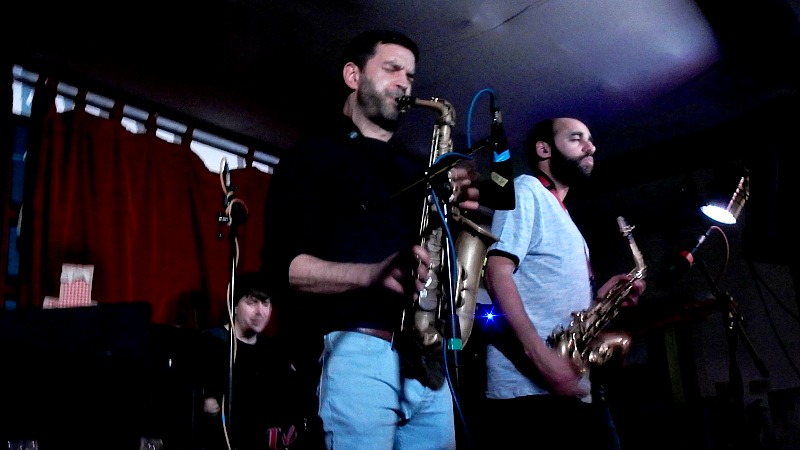 Starters were served up unceremoniously, a brooding trip-hop atmosphere on drums and bass, topped with an interwoven melody on twin alto saxes and slathered with intergalactic synth gurgles. That construction swiftly dissolved, as is their way, via rolling thunder drums and climactic mothership funk bass into an attention-seeking roar that turned heads in the right way and finished with a jaunty vaudevillian stomp and grins all round. And so it went, taking us on a wonderfully mashed-up and unguided tour that seemed to embrace every form of jazz-rock collision there’s ever been from Sun Ra to DJ Shadow via Can, Grateful Dead, Nucleus and, of course, Miles’ great Bitches Brew period.
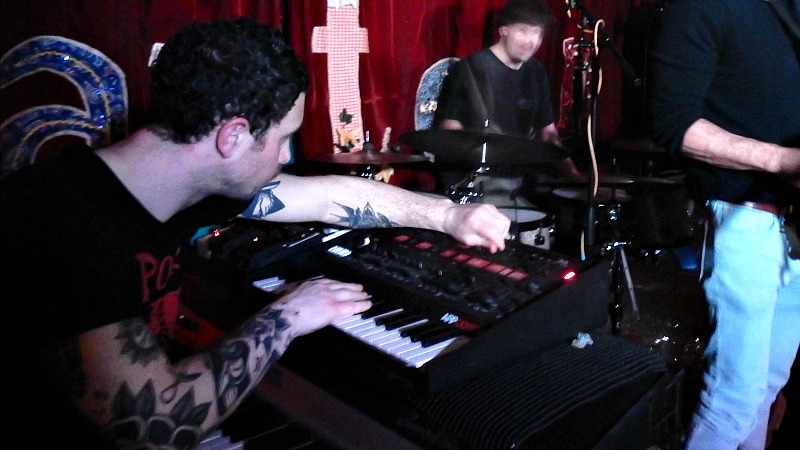 If they were unafraid of an onslaught – not for nothing was one track called Ceasefire – it was crucial that they also knew how to break it up and hold back, allowing individual musical personalities to emerge from the group process. That provided captivating moments like Mark Holub’s roilingly groovy drum solo duet with Toby McLaren’s Doctor Who synth , or a soulful Hendrix-inspired bass solo from Liran Donin that led the pleading saxes into an unexpected folk-gospel moment. It was often Donin’s playing and choice of sound that set the tone of the pieces, whether precision pulsing stabs or grimy fuzzed rolls, while Holub’s drumming generally set the energy level and the keyboards set a time-line, jumping from 60s Fender Rhodes to 80s ARP and beyond.
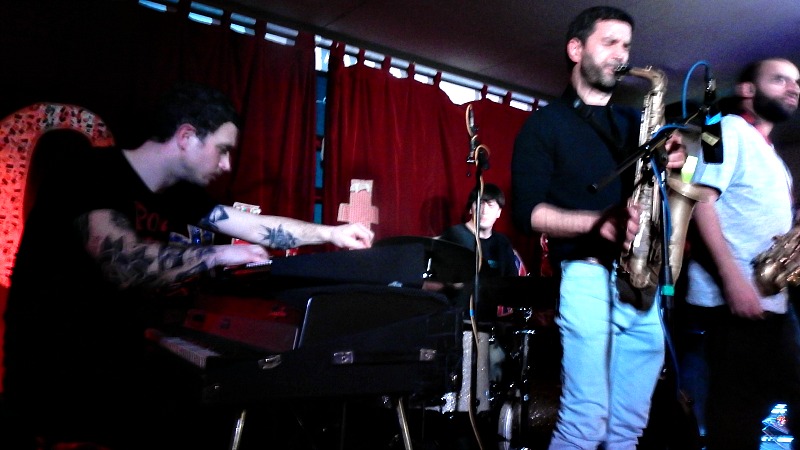 Over these defining (and shifting) textures the sax players felt free to go almost wherever they pleased, albeit getting back into line for some of the elaborately written interludes and endings, and if the use of two alto saxes had seemed odd back when the band first emerged the two personalities behind the reeds are so completely distinctive that their separate voices wouldn’t be confused. Pete Grogan had a sharp-elbowed modernism about him with shades of Ornette Coleman in his emphatic meandering, Chris Williams a more forcefully funk’n’rock vocabulary that asserted itself at many of the big climactic moments and occasionally brought shades of his other project Let Spin into the mix.
This was music full of ideas and references, clever stuff that didn’t take itself too seriously, and if all the dodging and weaving was a bit exhausting at times the wit and wisdom behind it made it all worthwhile. That there was real umbrella weather waiting for us outside was a fitting final touch.
 Our newsletters emailed directly to you