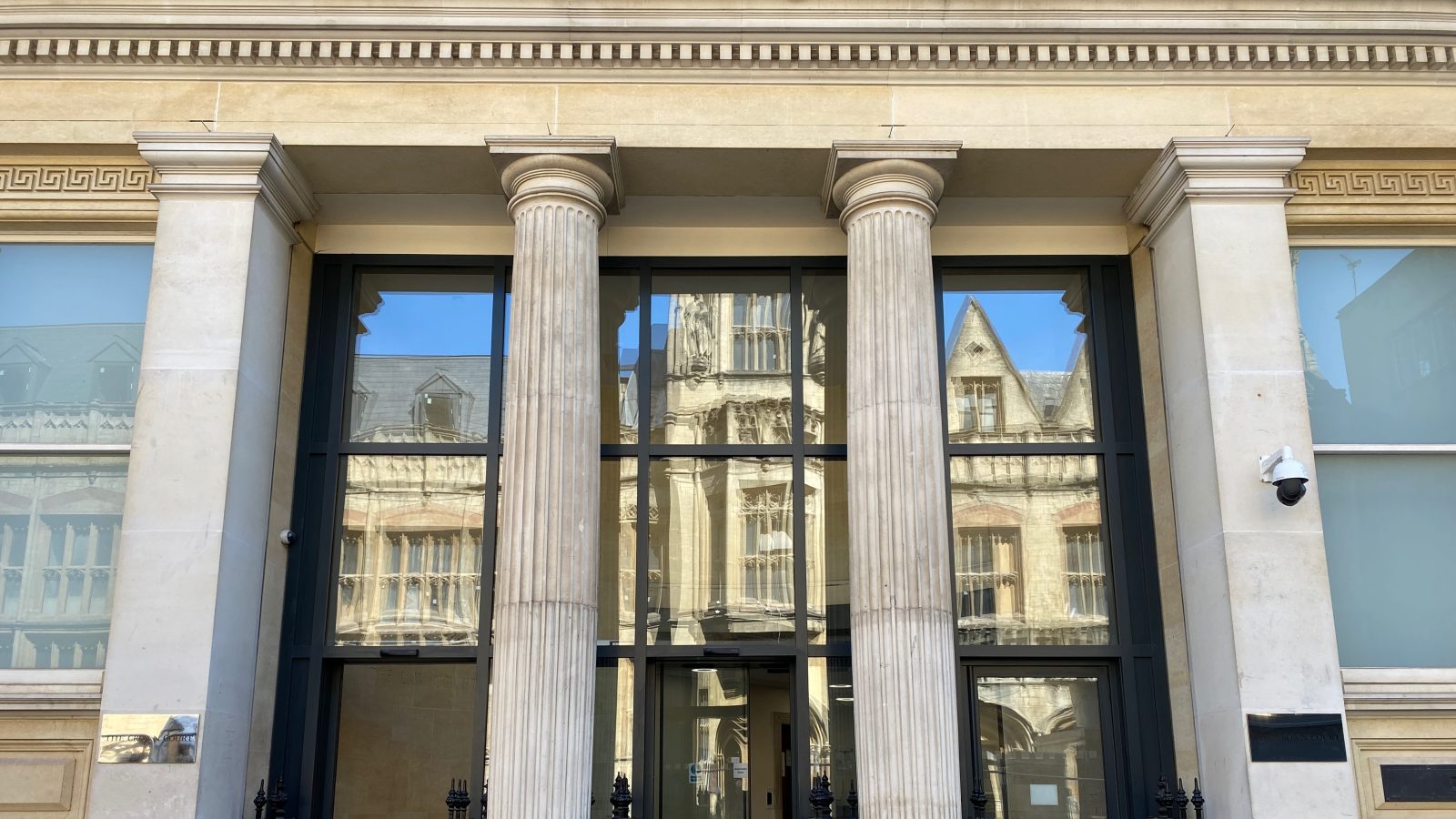
News / bristol crown court
Crown court cases take two years on average to complete, review finds
Crown court cases in Bristol take more than two years to complete on average, according to new analysis from the Law Society of England and Wales.
The time gap between the offence taking place and the case being completed was 743 days in 2025, an increase of 28 per cent from 582 days in 2016.
Mark Evans, president of the Law Society, told Bristol24/7: “Those delays have a huge impact on the community, on the victims and on the accused.
is needed now More than ever
“If you think of it from the victim’s perspective, they want it to be dealt with as quickly as possible so they can get their life back on track. Many victims suffer physically and mentally as a result of delays (and have) the pressure of going into court many years after it happened.
Evans also highlighted how this delay can make it harder for victims and witnesses to recollect events accurately at the trial.
“It also allows people who are criminals to be out there still committing crimes,” he said, pointing to people who are bailed while they wait for the trial.
As for those found not guilty, they will have had the weight of the case hanging over them for years.

Evans said the delays have a significant impact on victims – photo: The Law Society of England and Wales
Evans pointed to a number of things causing delays in the system, from lack of staff to leaky roofs.
During his recent visit to Bristol, one lawyer told him the inadequate heat resistance at Bristol Crown Court had caused a case to be abandoned for the day.
Fundamentally, those issues stem from a lack of money, Evans said.
“Successive governments for decades haven’t put any money into the criminal justice system. While money has been put into education and health the same money hasn’t been put into (this).”
The strain on the courts has been steadily rising for a decade.
In crown courts within the Avon & Somerset Constabulary area, the number of open cases increased from 1,083 in quarter one of 2016 to 1,640 in the same quarter of 2026.
A similar jump happened in magistrates’ courts, with 5,923 open cases in quarter one of 2019 to 8,242 in the same quarter of 2026.
In 2024, the government commissioned an independent review into the courts backlog, the results of which were published in mid-2025 and early-2026.
The recommendations included better case management, ensuring defendants are delivered to court on time and addressing funding issues.
In response, the government proposed a package of measures including its controversial plan to reduce jury trials.
“There isn’t one quick fix,” added Evans. “They have to invest for a number of years to get the justice system back on track.
“We are at this critical point in time where unless the government invests in the system, in a few years’ time if you are in the position of needing a lawyer there won’t be one.”
A Ministry of Justice spokesperson said: “The government inherited a court system in crisis, with victims and defendants facing intolerable delays for justice.
“That’s why we’re pulling every lever available – record financial investment, system efficiencies, and pragmatic reforms – to turn the tide on the backlog and deliver faster justice for all.”
The strained courts see a plethora of mistakes leading to cases being adjourned, such as defendants not being notified of their court date or the wrong prisoner being brought in.
This, Evans said, makes things feel much worse for victims.
“They have built themselves up to the day and the trial, and when something like that happens it doesn’t give them much faith in the system,” he said.
Main photo: Molly Pipe
Read next:
 Our newsletters emailed directly to you