Music / Reviews
Review: Chris Cornell, Colston Hall
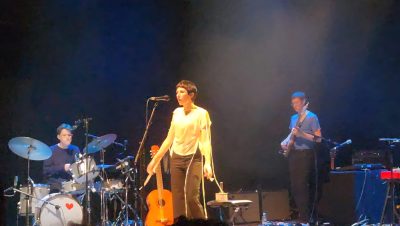
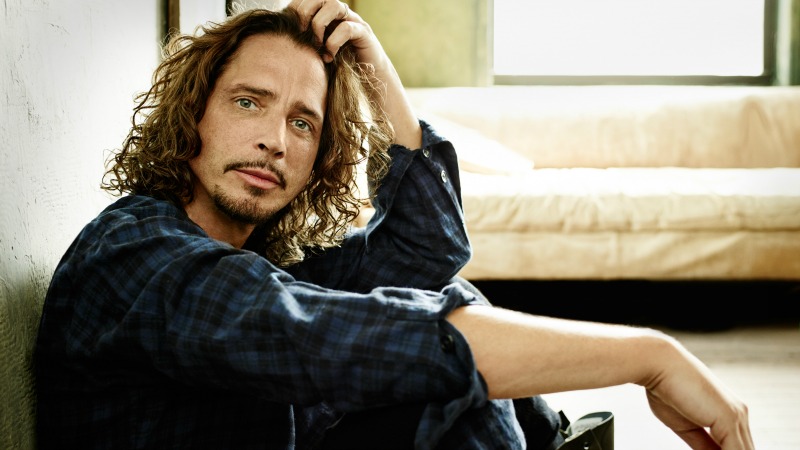
With his shades, expensive casual attire and luxuriant shoulder-length hair, Chris Cornell looks every inch the prosperous, well-preserved, middle-aged rock star as he strides on to the Colston Hall stage to tumultuous applause for a gig that, like every other date on his short UK tour, has been sold out for months. The lighting is low-key and the stage cosily dressed with a rather nice rug, around which Cornell’s impressive collection of acoustic guitars are arranged, along with an old-school vinyl record player and a keyboard and cello for occasional accompanist Bryan Gibson. He begins by asking us whether he’s ever played Bristol before, his memory being rather hazy after 30 years of touring. Judging by the somewhat muted response, it seems few of us here tonight were present when Soundgarden played a sweaty, memorable gig at the Bierkeller back in 1992.
Cornell kicks off with the pleasant if unexceptional Before We Disappear – the first of half-a-dozen songs from the new album he’s here to plug, Higher Truth. Things improve quickly with Can’t Change Me, the single from his debut post-Soundgarden solo album, Euphoria Morning. He’s not exactly the world’s most accomplished guitarist, but that extraordinary, powerful and expressive voice remains undiminished.
The Times They Are A-Changin’ is the first of many – perhaps rather too many – covers, preceded by Cornell’s admission that while growing up in the 1970s he’d thought folk music in general and Bob Dylan in particular were “bullshit”, but recently had cause to revise that opinion. He’s also revised Dylan’s lyrics to reference bloggers and fear-mongering rolling news as The Times They Are A-Changin’ Back (d’ya see what he did there?). It’s a novel twist, but the Bobster’s Spokesman for a Generation status remains unthreatened.
He’s clearly in good spirits and there’s no sign of tiresome grunge glumsterism as he invites a punter who’s been following the tour onstage to play mandolin on Nearly Forgot My Broken Heart – and a fine job he makes of it too. Fell on Black Days is the first Soundgarden song, and it translates just brilliantly to the acoustic guitar and cello format. Led Zep’s Thank You follows – an interesting choice given that Cornell’s voice has so often been compared to that of Robert Plant. Much less successful is a strum-along version of Nothing Compares 2 U, which contrasts poorly with Sinead O’Connor’s stark reading of the song and does little to explain the mystifying current outburst of Prince worship.
Perhaps surprisingly, we get four Audioslave songs tonight, the haunting I Am the Highway being the one that works best acoustically. When someone bellows for Jesus Christ Pose, Cornell has a bash at the furious guitar intro to what is arguably Soundgarden’s heaviest song, to general hilarity – rather like when Rodrigo Y Gabriela attempt Slayer’s Raining Blood – before segueing into one of his finest solo compositions, Seasons from Cameron’s Crowe’s Singles soundtrack, which sounds like an outtake from Led Zeppelin III.
You Know My Name from Casino Royale is the one that even non-Cornell fans know, and he comes over all croony for Misery Chain, accompanied by a backing track on vinyl, as though doing a karaoke of himself. One, however, is quite inspired; the very model of what a reinvented cover version should be. Welding the lyrics from Metallica’s brilliant show-stopper to the music from the U2 song of the same title, it’s transformed from angry, cathartic roar to soulful lament.
In a clever piece of symmetry, Rusty Cage, the Soundgarden song that Johnny Cash used to cover, is revived in Cash’s own country arrangement. Black Hole Sun, arguably Soundgarden’s greatest five minutes, is simply stunning. And the beautiful Hunger Strike from the sole Temple of the Dog album, reminds us that even side-projects yielded classics during that incredibly fertile period of Seattle creativity.
As we head beyond the two hour mark, there’s a serious momentum failure. Cornell ends with a reverential cover of the Beatles’ A Day in the Life before returning for an encore of yet more rather superfluous covers – Michael Jackson’s Billie Jean and John Lennon’s Imagine – finally wrapping things up with Audioslave’s Like a Stone, which works markedly less well than Be Yourself and I Am the Highway. Sure there were transcendent highlights, but bit of judicious pruning and a set rejig would have made this a tighter, more satisfying show.
 Our newsletters emailed directly to you