Film / Reviews
Tangerines
Tangerines (15)
Estonia/Georgia 2013 85 mins Dir: Zaza Urushadze Starring: Lembit Ulfsak, Elmo Nüganen, Giorgi Nakashidze, Mikheil Meskhi
Georgian writer/director Zaza Urushadze’s simple yet effective anti-war fable was made in 2013 and nominated for an Oscar earlier this year. Better late than never, it finally crawls into UK cinemas.
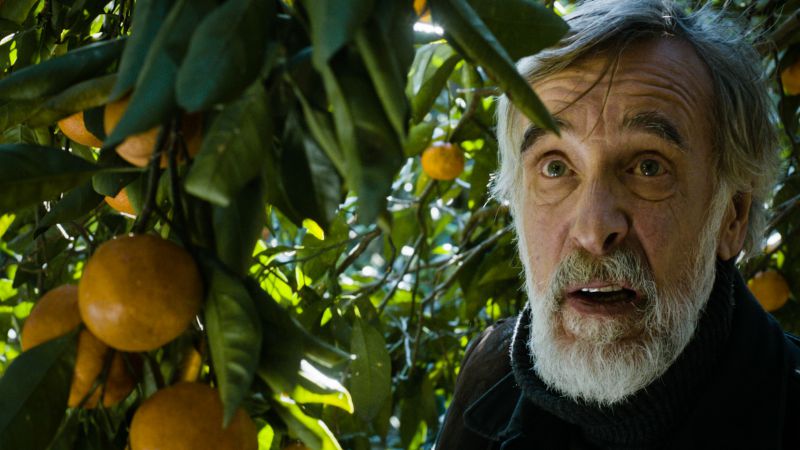
The set-up couldn’t be more straightforward. It’s 1992 in the post-Soviet Caucasus and civil war is raging between Georgia and Abkhazia. Most of the ethnic Estonians who lived in the area have fled to their homeland, leaving only a handful of defiant codgers behind. Ivo (Ulfsak) is a carpenter who makes boxes for his tangerine farmer neighbour Margus (Nüganen). They’re determined to ride out the conflict and complete the upcoming harvest. When Chechen mercenary Ahmed (Nakashidze) turns up with a buddy demanding food, Ivo obliges and sees them on their way. Shortly afterwards, there’s a firefight in which Ahmed is wounded and his buddy killed. Ivo and Margus treat his wounds and put him to bed, but while burying his pal they find another survivor: Georgian fighter Niko (Meskhi).
You can see where this is going, right? With Ahmed and the more seriously wounded Niko under his roof, Ivo faces a further outbreak of war in microcosm. But having sworn to butcher Niko the moment he recovers, Ahmed gives Ivo a solemn promise that he won’t do so under his roof. Now the house is effectively a demilitarised zone and – guess what? – the bloodthirsty enemies start to view one another as human beings.
While it’s fair to say that Tangerines plots a fairly obvious course, Urushadze dodges simplistic “Why can’t we all just get along?” moralising in favour of a more subtle and satisfying approach, the timeless rural setting reminding us that this is a drama that could play out in almost any era against the backdrop of any conflict. We know it ain’t going to end well, but a couple of third act surprises supply unexpected tension. Performances by the all-male cast are top-notch, with veteran Lembit Ulfsak stealing the honours as world-weary, compassionate and resourceful Ivo. Urushadze’s excellent judgement calls include sparing use of Niaz Diasamidze’s suitably mournful, evocative score and a truthful ending that offers neither unearned hope nor relentless bleakness.
 Our newsletters emailed directly to you