Health / mental health
The collective using connection to combat mental health struggles
Warning: This article contains conversations around suicide
“I was part of the rat race and I think I was not questioning the status quo at all,’ says Loo Fletcher, reflecting on the mental health crisis she experienced as a student.
Now 32, Loo is the founder of Suicide Prevention Collective, an organisation using creativity and community to tackle loneliness and support mental wellbeing.
Her difficulties came to a head while studying law at university, which she describes as “a melting pot of a ticking time bomb for a lot of people”.
She now views that period as “post-traumatic growth”, saying it inspired her to leave a career path in law and create a community organisation focused on belonging and suicide prevention.
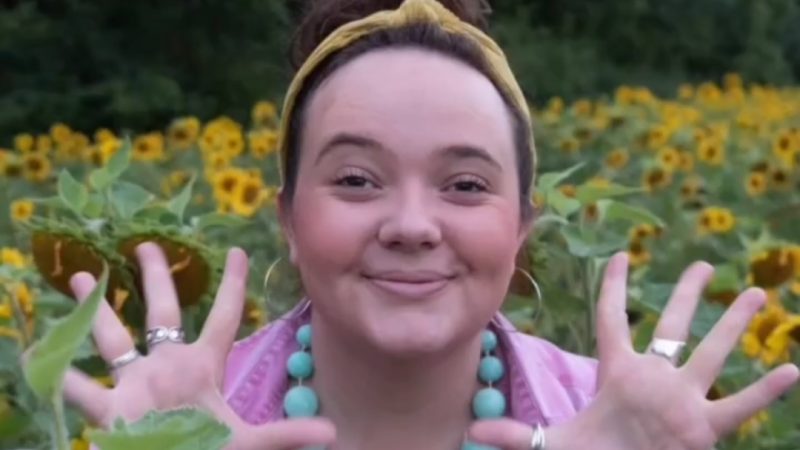
Loo Fletcher is a suicide prevention activist, mental health advocate and the founder of the Suicide Prevention Collective
At the core of Loo’s philosophy is that mental health support needs to extend well beyond traditional clinical interventions.
“We don’t get enough time to really pause and think about the connection that we have with ourselves,” the 32-year-old says.
“It’s this fast paced sort of like go, go, go, achieve, achieve, achieve, consume, consume, consume.”
For Loo, who is training to be a psychotherapeutic counsellor, loneliness is not simply about being physically alone but stems from a lack of connection.
Describing loneliness as “an epidemic”, Loo believes it affects people of all ages but remains a difficult subject for many, particularly younger people, to discuss openly.
Research by the Mental Health Foundation found that one in four UK adults experience loneliness at least some of the time, while more than a third would never admit to feeling lonely. Around two thirds of people who identify as “often or always lonely” report that it has a negative impact on their mental health.
“We truly believe at the collective we need to have radical conversations around isolation, grief, shame and vulnerability and other taboo issues that society doesn’t give us this time and space to process and action hope,” she says.
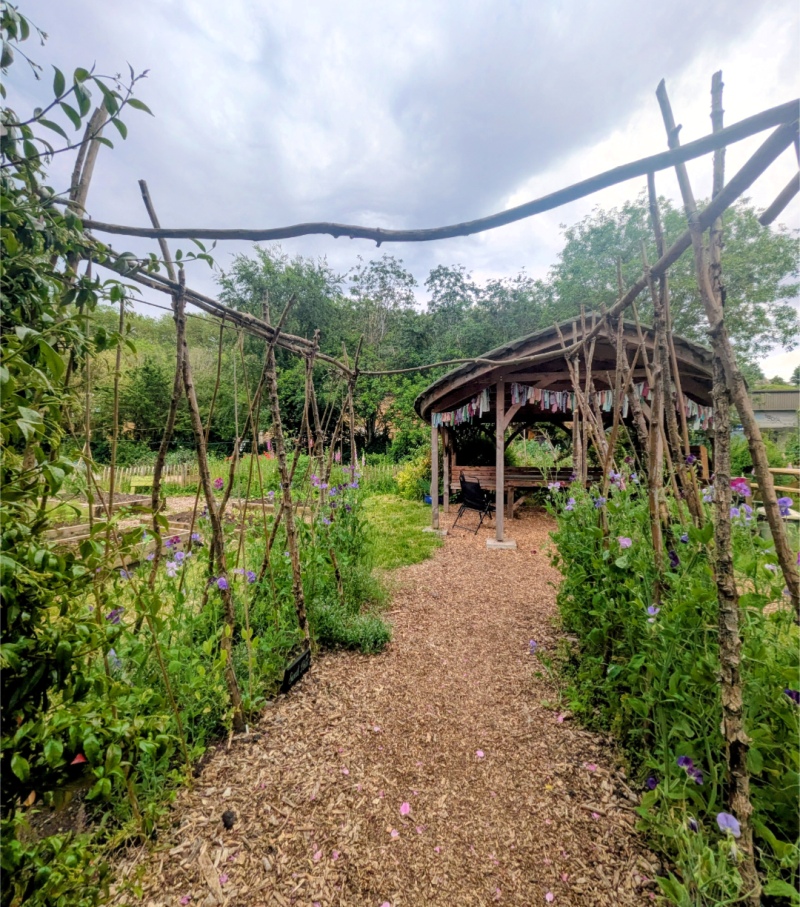
Bristol’s new ‘Sunflower Hub’ is “a place where people can just be”
That’s where the Sunflower Hub comes in.
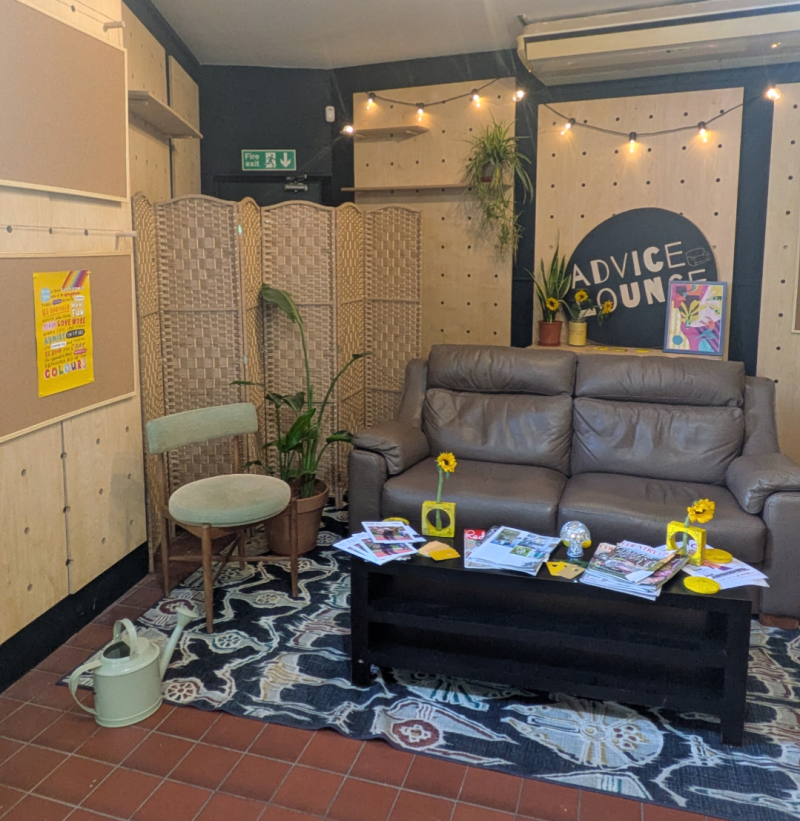
Recently opened at Windmill Hill City Farm, the hub is the Suicide Prevention Collective’s first permanent base – a place Loo hopes will provide a sense of belonging in an increasingly disconnected world.
Its launch coincides with Loneliness Awareness Week, an annual campaign encouraging people to talk more openly about loneliness and social connection.
“I knew that I wanted it to be a place to pause in the city,” she says. “A place where people can just be.”
The hub hosts workshops exploring issues such as loneliness, self-compassion and shame, while also making use of the farm’s outdoor space through therapeutic gardening and sunflower-growing projects.
The response from the community has been overwhelmingly positive.
“I wanted to make sure that there was a go to physical space within the city where people can feel that sense of social connection,” Loo says.
“And there’s a real appetite for people to get involved, people offering their skills and their time.”
View this post on Instagram
Loo hopes the hub and wider collective can provide spaces where people feel safe and supported.
“It’s truly that connection that you have with yourself that matters most,” she adds.
The Sunflower Hub is open on the first and third Fridays of each month at Windmill Hill City Farm on Philip Street. You can follow them on Instagram via @Sunflower_spc_
Samaritans provide confidential emotional support 24 hours a day, 365 days a year. You can call them for free on 116 123, email them at [email protected] or visit www.samaritans.org to find your nearest branch
All photos: Suicide Prevention Collective
Read next:
 Our newsletters emailed directly to you