Film / Reviews
Marshland
Marshland (15)
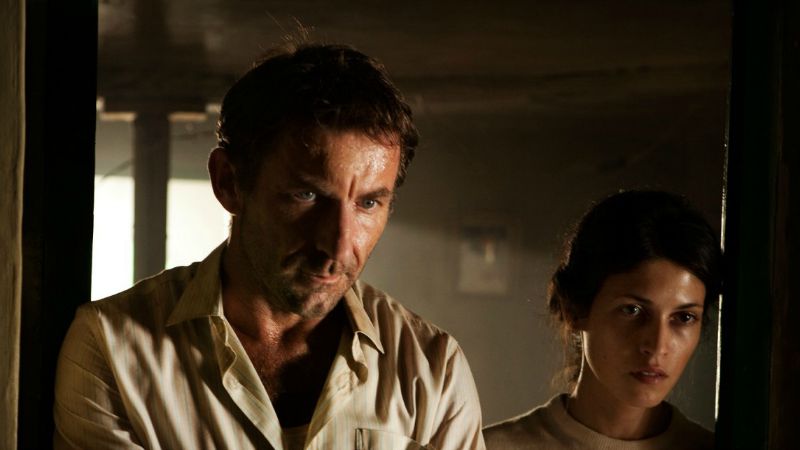
Spain 2014 104 mins Dir: Alberto Rodriguez Cast: Javier Gutierrez, Raul Arevalo, Maria Varod
The slow-burning tension of Spencer Tracey classic Bad Day at Black Rock gets a compelling Andalusian twist in this gripping Spanish nail-biter from director Alberto Rodriguez. Or, if one were to look at it another way, it’s the first series of True Detective done Iberian style. Little wonder that it’s hard to wrench one’s eyes from the screen.
It’s 1980, five years after the demise of feared dictator General Franco. Spain is in an all-important transitional period between fascism and eventual democracy, a tension reflected in the film’s central chalk and cheese cop partnership. Juan (Javier Gutierrez) and Pedro (Raul Arevalo) have been dispatched from Madrid to remote town in Spain’s swampy southern provinces to investigate the apparent disappearance of two teenage sisters. The former has a shadowy past stemming from his time serving in Franco’s army, and isn’t averse to using brutal tactics to get answers; the latter is younger, married and represents a newer kind of idealistic vision. On arrival in their hotel room, Pedro is appalled to see a cross on the wall adorned with photos of both Hitler and Franco. He promptly stuffs it in a drawer, although Juan doesn’t seem concerned.
However, the town in which they’ve arrived appears to still be in the grip of Franco’s brutal legacy, plagued by union strikes, uniformed militants and a general sense of uneasiness. As the two cops delve further into the central mystery, they uncover a series of genuinely unpleasant secrets that expose the ideological identity crisis lying at the heart of the country. Rodriguez does an excellent job of utilising the movie’s somewhat discombobulating landscapes, shot in and around the Guadalquivir River just outside Seville. First introduced with a series of visually arresting overhead aerial shots, in which the various marshes, channels and land-masses seem positively alien, this is a section of Spain not often seen on the big screen, an effective device that leaves the viewer feeling as stranded and uneasy as the characters themselves.
The story also barrels along at a fair old clip, mixing its character interplay with familiar genre thrills to compelling effect. And even if the trajectory of the central mystery is hardly surprising or revelatory, there’s more than enough material lurking in the film’s historical context to make it gripping viewing. As with Spanish cinema classics like The Spirit of the Beehive or Pan’s Labyrinth, it’s a juicy fusion of pulpy Gothic and vivid history lesson. Touching on gender identity, government oppression and the classic western formula of a town with a secret, it’s accomplished stuff, a film smart enough to end with a genuinely chilling ‘devil you know’ epilogue that single-handedly encompasses Spain’s turbulent 20th century history.
 Our newsletters emailed directly to you