Film / Reviews
Lambert & Stamp
Lambert & Stamp (15)
USA 2014 117 mins Dir: James D. Cooper
To really understand the extraordinary story of Kit Lambert and Chris Stamp, it’s necessary to project yourself back in time to the unimaginably distant and alien Britain of the early 1960s. Homosexuality is illegal. Rigid class divisions mean that toffs and oiks know their place. Pop music is considered a passing fad and even the groups think they have a maximum lifespan of a couple of years. There’s not the slightest sign of the decade beginning to swing.
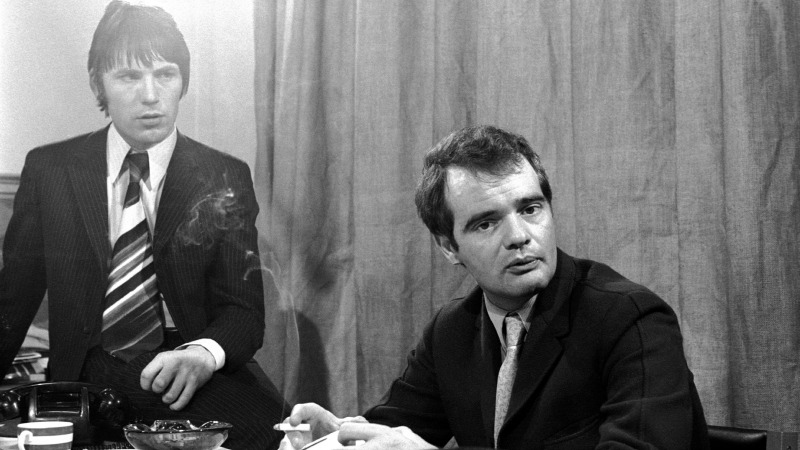
The son of composer Constant Lambert, Oxford-educated former army officer and explorer Kit Lambert is the product of a repressed environment of stiff-upper-lippery. He’s also openly gay. Chris (brother of Terence) Stamp is the sharply dressed working class son of a Thames tugboat captain and something of a ladies’ man. This odd couple meet while working as assistant directors at Shepperton Film Studios and bond over their shared love of cinéma vérité art flicks. Then they hatch a plan. They’ll find a pop group to manage, turn them into stars, and get a leg-up in the movie business by making a film about how they did it. What they found, in Wealdstone’s packed and sweaty Railway Hotel, was a rough and ready mod combo called The High Numbers. This, pop kids, is how we got that amazing early live footage of the band that was soon to become The Who.
Anyone who knows their rock history won’t need reminding of those bullet points in the story of The Who, but it is fascinating to see the band’s development through a different prism. Starting out as a pair of fairly bumbling would-be Svengalis, Lambert and Stamp proved to have a profound impact on their charges, notably when Lambert introduced Pete Townshend to classical music from his father’s collection, directly inspiring the game-changing Tommy.
Fairly conventional in its structure, James D. Cooper’s film is not without its faults. As the only surviving member of the management duo at the time the film was being made, Chris Stamp (who died in 2012) inevitably dominates. We can only speculate on what Lambert would have had to say for himself in retrospect. His fondness for “boys” is skirted over as though Pop Paedo Panic never happened and his demise is never fully explored, though Cooper does address his rancorous falling out with Townshend and subsequent descent into alcoholism and drug-fuelled paranoia.
Cooper also proves a skilled interviewer, coaxing from a reflective Roger Daltrey the revelation that “Kit was the only posh guy I’d ever spoken to who was actually interested in me and wasn’t talking down to me” and shedding light on what fuelled the odd couple’s relationship. Stamp, it seems, found himself unable to communicate emotionally with women but experienced no such difficulty with his gay chum.
Alas, Lambert and Stamp never got to make their film about the High Numbers. Nor did they direct the film version of Tommy, despite pitching it to Townshend. Even their long-gestating film about Keith Moon came to nothing. Stamp seems quite sanguine about the way things turned out. As for Lambert, he’s the subject of a biopic that’s been in the works since 2012, supposedly to be directed by Cary Elwes. This promises to be well worth the wait. It’s hard to imagine anyone going wrong with such rich source material.
 Our newsletters emailed directly to you